Ohio State pays $2.1M settlement as it admits researcher had ‘inappropriate foreign affiliations’ to China
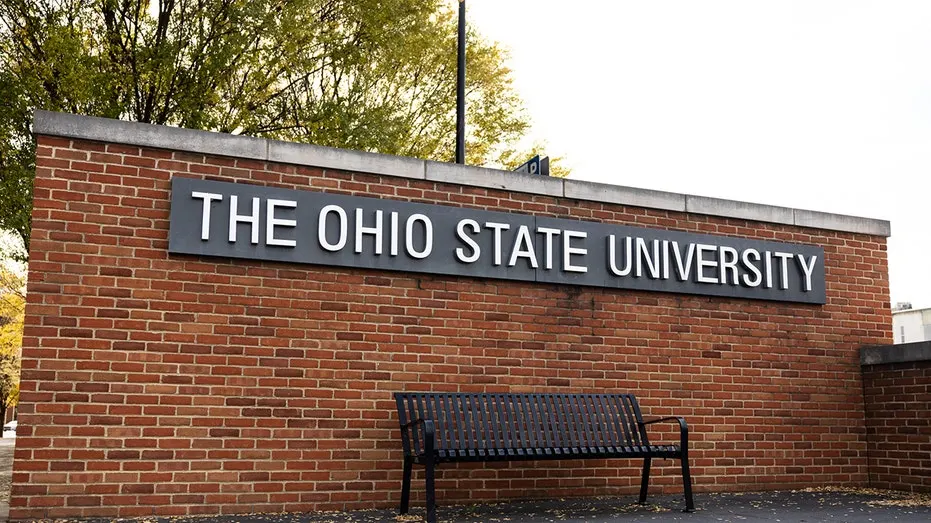
Ohio State University has agreed to pay $2.1 million to settle federal allegations that it failed to disclose researchers' ties to China while applying for and receiving taxpayer-funded research grants. The Justice Department claimed the university did not properly reveal affiliations and financial support linked to Chinese universities and state-run research bodies in applications and reports submitted to NASA and the National Science Foundation between 2012 and 2023, a lapse officials say undermines research security and transparency requirements attached to federal funding.
The case centred on researcher C.K. Shum, who was found to have participated in China's Thousand Talents Program, a Beijing-backed scheme to recruit overseas expertise; Ohio State says it uncovered and self-reported his affiliations, suspended his research privileges, halted spending on affected grants and repaid the funds, and he no longer works at the university. The Justice Department noted Ohio State became aware of Shum's programme involvement in 2019 but did not inform NASA and the NSF until 2023, and said other university employees connected to the grants also had undisclosed relationships with, or funding from, Chinese entities. Assistant Attorney General Brett Shumate said universities receiving federal research support must fully disclose foreign funding, warning the department would continue holding institutions accountable for disclosure failures.
In short
- Ohio State pays $2.1m to settle China disclosure allegations.
- Researcher C.K. Shum hid ties to China's Thousand Talents Program.
- University self-reported issue but delayed notifying NASA, NSF until 2023.
Steelman: both sides, in good faith
The strongest fair case each way — we don't pick a winner.
The case for
Federal research grants come with disclosure rules designed to let agencies assess conflicts of interest, security risks and whether public money is being used as intended. Ohio State’s four-year delay in notifying agencies after learning of Shum’s programme involvement, alongside other undisclosed ties, supports the case that the settlement and accountability are warranted to protect transparency and public trust.
The case against
The settlement resolves allegations without establishing that the university intended to deceive agencies or that the research caused harm; Ohio State says it uncovered and reported the affiliations, suspended Shum’s research privileges, halted spending and repaid affected funds. A measured response should recognise the complexity of tracking researchers’ international ties over a long period and distinguish failures of institutional process from misconduct by individual researchers, while avoiding rules so broad or punitive that they chill legitimate international collaboration.
Explained simply
US universities often receive research grants from federal agencies such as NASA and the National Science Foundation. Grant applications and reports require universities to disclose relevant outside funding and affiliations, so agencies can assess how research is supported and managed.
The case centres on C.K. Shum, a researcher at Ohio State University who took part in China’s Thousand Talents Program, a scheme to recruit expertise from overseas. The university says it found his affiliations, reported them to the government and took steps including suspending his research privileges; Shum no longer works there.
The Justice Department said other employees linked to the grants also had undisclosed ties to Chinese organisations. The case matters because it concerns what universities must tell federal agencies when they use public money for research.