‘Bold, brilliant, thrilling’: leading authors on the novels every school should teach
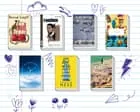
A group of leading authors, including Kate Mosse, Ben Okri and Samantha Harvey, have been asked by the Guardian to nominate novels they believe should be taught in schools, as England and Wales enter a period of curriculum renewal for GCSE English. The exercise coincides with mounting concern about declining reading for pleasure among children and criticism that current GCSE set texts are narrow, outdated and dominated by male authors, prompting calls for the Department for Education to mandate more diverse and regularly refreshed reading lists.
The piece cites a 2025 report by End Sexism in Schools, Manopolies, which found 76% of students study JB Priestley's An Inspector Calls as their modern text (from 21 options) and 93% study either A Christmas Carol or The Strange Case of Dr Jekyll and Mr Hyde as their 19th-century novel (from nine options), while only 5% of students study a female-authored text at GCSE. It also notes the National Literacy Trust's designation of 2026 as the National Year of Reading, following a 2025 low of 32.7% of eight-to-18-year-olds saying they enjoy reading in their free time, which has since risen to 36.1%. Authors' suggestions include Percival Everett's satirical novel The Trees, put forward by Kate Mosse as an example of a text that is both intellectually serious and genuinely entertaining for teenage readers.
In short
- Authors urge a rethink of GCSE English texts amid curriculum renewal
- Just 5% of GCSE students study a female-authored novel
- Push follows concern over falling numbers of children reading for pleasure
Steelman: both sides, in good faith
The strongest fair case each way — we don't pick a winner.
The case for
Schools should teach a broader, regularly refreshed range of novels, including more works by women and writers from diverse backgrounds. A narrow set of familiar texts may leave pupils with a limited view of literature, while engaging contemporary choices could help more teenagers enjoy reading and connect classroom study with the world they know.
The case against
A curriculum needs texts that teachers can teach well and that build shared knowledge, literary understanding and exam skills over time. Frequent changes or mandated lists could disrupt that continuity and constrain schools’ choice; low reading enjoyment may also require wider support for reading, rather than relying on GCSE text selection alone.
Explained simply
In England and Wales, pupils study set novels for GCSE English, but schools choose from approved lists. Critics say the choices can be narrow: a 2025 report found that most pupils studied a small number of familiar books, and only 5% studied a novel by a woman.
The debate is taking place as reading for pleasure among young people has fallen, and the National Literacy Trust has named 2026 the National Year of Reading. The Department for Education is renewing the English curriculum, prompting calls for reading lists to include a wider range of authors and to be updated regularly.
Culture Government Politics UK World