Oscar Winner ‘Moonlight’ Getting 10th Anniversary Re-Release This Fall From A24
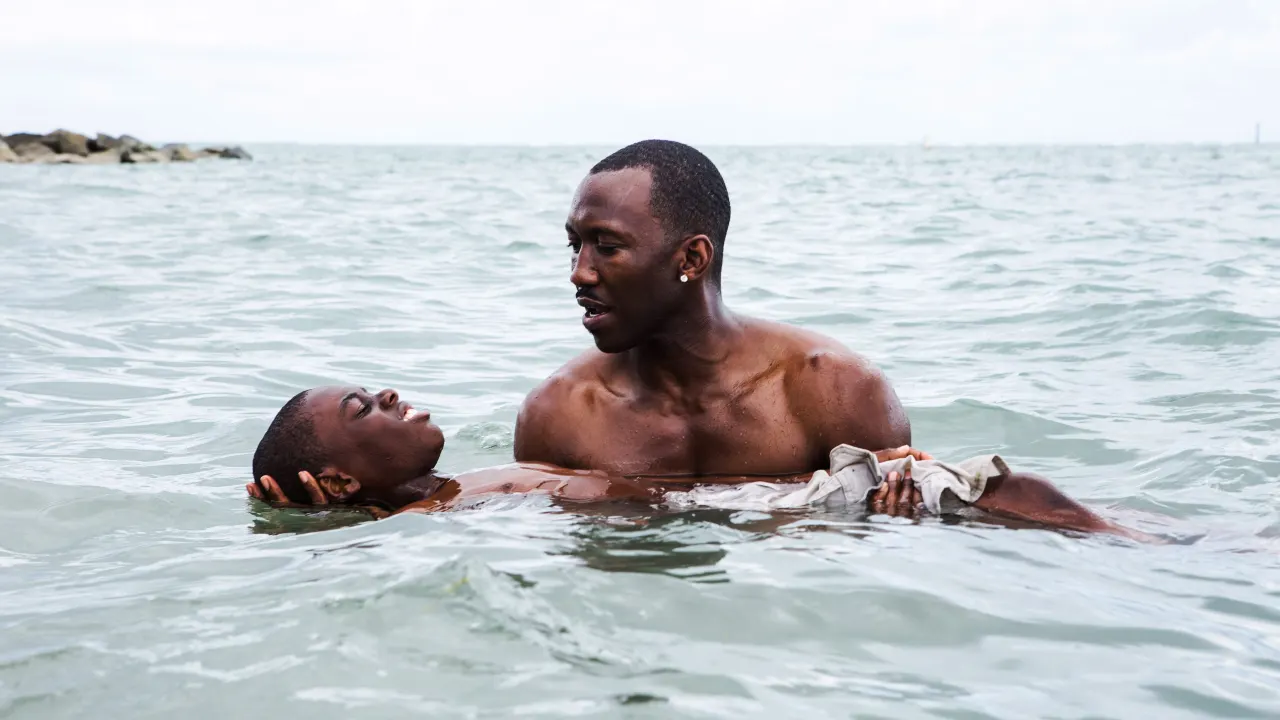
A24 is re-releasing Barry Jenkins's Best Picture winner "Moonlight" in cinemas on 2 October to mark its tenth anniversary, presented in a new 4K remaster. Jenkins announced the news at a special screening during the Telluride Film Festival, with the re-release also featuring an exclusive conversation between him, composer Nicholas Britell and Oscar-winning star Mahershala Ali. The film, produced by Brad Pitt's Plan B Entertainment, remains best remembered both for its critical acclaim and for the chaotic 2017 Academy Awards ceremony at which it was announced.
"Moonlight" premiered in 2016 and won three Oscars, including Best Picture, Best Supporting Actor for Ali and Best Adapted Screenplay for Jenkins and Tarell Alvin McCraney. Its Best Picture win became infamous after a PricewaterhouseCoopers accountant handed presenters Faye Dunaway and Warren Beatty the wrong envelope, leading Dunaway to mistakenly announce "La La Land" as the winner before producer Jordan Horowitz corrected the error on stage. Tickets for the anniversary re-release go on sale on 9 September, alongside a limited-edition art print; the film originally grossed $27.8 million domestically and nearly $67 million worldwide.
- A24 re-releases "Moonlight" in 4K for its tenth anniversary on 2 October
- Barry Jenkins announced it at the Telluride Film Festival
- Recalls the 2017 Oscars envelope mix-up with "La La Land"
New here? Start with this
Moonlight is a 2016 drama directed by Barry Jenkins, following a Black man’s life in Miami across three stages, from childhood to adulthood. It was adapted from a play by Tarell Alvin McCraney and produced by Plan B Entertainment.
The film won three Academy Awards, including Best Picture and Best Supporting Actor for Mahershala Ali. Its Best Picture win is also remembered for an envelope mix-up: presenters first named La La Land before the mistake was corrected on stage.