Venice Film Festival Chief Alberto Barbera On Oscar Chances, Why Gaza Doc ‘NAZA’ Is Playing So Late & Why He’s Confident U.S. Studios Will Return
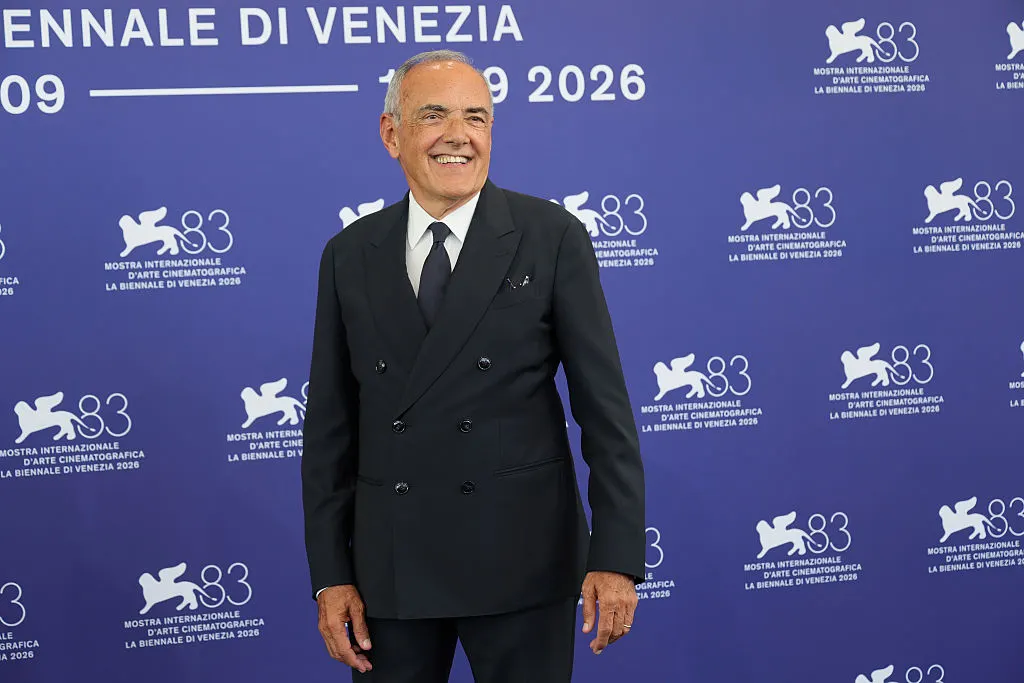
Venice Film Festival artistic director Alberto Barbera has spoken about the key issues dominating this year's event, including the growing use of artificial intelligence in filmmaking, the politically sensitive scheduling of Gaza-related films, and the festival's stance on the Israel-Palestine conflict. In a wide-ranging interview, Barbera acknowledged that AI is set to transform cinema much as the digital revolution did in the late 1990s, while also addressing criticism over why hard-hitting political documentaries have been scheduled late in the festival, after much of the international press has departed.
Barbera confirmed that an AI-generated documentary features in official selection for the first time and predicted more such films in future years, comparing the shift to the digital revolution of the 1990s but suggesting AI's impact will be even greater. He defended the decision to screen the Gaza documentary NAZA near the end of the festival, saying he wanted to avoid politics overshadowing other films, and noted the Russian film DAU was delayed mainly due to its length. He also addressed the Venice4Palestine campaign's request to fly a Palestinian flag, explaining that Italian government protocol prevents this because Italy does not recognise the Palestinian state, calling this "a shame."
In short
- Barbera says AI's impact on cinema will exceed the 1990s digital revolution
- Gaza documentary NAZA scheduled late to avoid overshadowing other films
- Italy's non-recognition of Palestine blocks flag-flying at Venice, Barbera says
Steelman: both sides, in good faith
The strongest fair case each way — we don't pick a winner.
The case for
Barbera’s approach can be defended as an effort to keep the festival focused on cinema across its programme, rather than letting a politically charged film dominate coverage of other works. Scheduling constraints also matter: he cited the Russian film DAU’s length as a reason for its late slot, and said government protocol prevents the festival from flying a Palestinian flag because Italy does not recognise Palestinian statehood.
The case against
Critics can argue that placing a hard-hitting Gaza documentary near the festival’s end, when much of the international press has left, limits its visibility and public discussion. Whatever the scheduling rationale, this can appear to give political caution or institutional protocol priority over drawing attention to Palestinian perspectives, particularly when the festival has a platform capable of amplifying them.
Explained simply
The Venice Film Festival is an annual international cinema event held in Italy. Its artistic director, Alberto Barbera, helps choose the films and decide when they are shown. The festival brings together filmmakers, film companies, critics and journalists.
Artificial intelligence can now be used to create parts of a film, raising questions about how it may change filmmaking. The festival has included an AI-generated documentary in its official selection, against the backdrop of wider changes in cinema technology. Political films about Gaza and the Israel-Palestine conflict have also drawn attention to how festivals handle sensitive subjects.
The timing of a film’s screening can affect how many journalists and industry visitors see it. Requests to display a Palestinian flag have also brought Italy’s diplomatic position into the discussion: Italy does not recognise Palestine as a state, and Barbera said government protocol prevents the festival from flying the flag.
Americas Art Business Culture Entertainment Film Markets Middle East Music World