Entertainment news and discussion on TalkFuse.
‘Band of Brothers’ New Release Shows What the HBO Classic Got Right 25 Years Ago
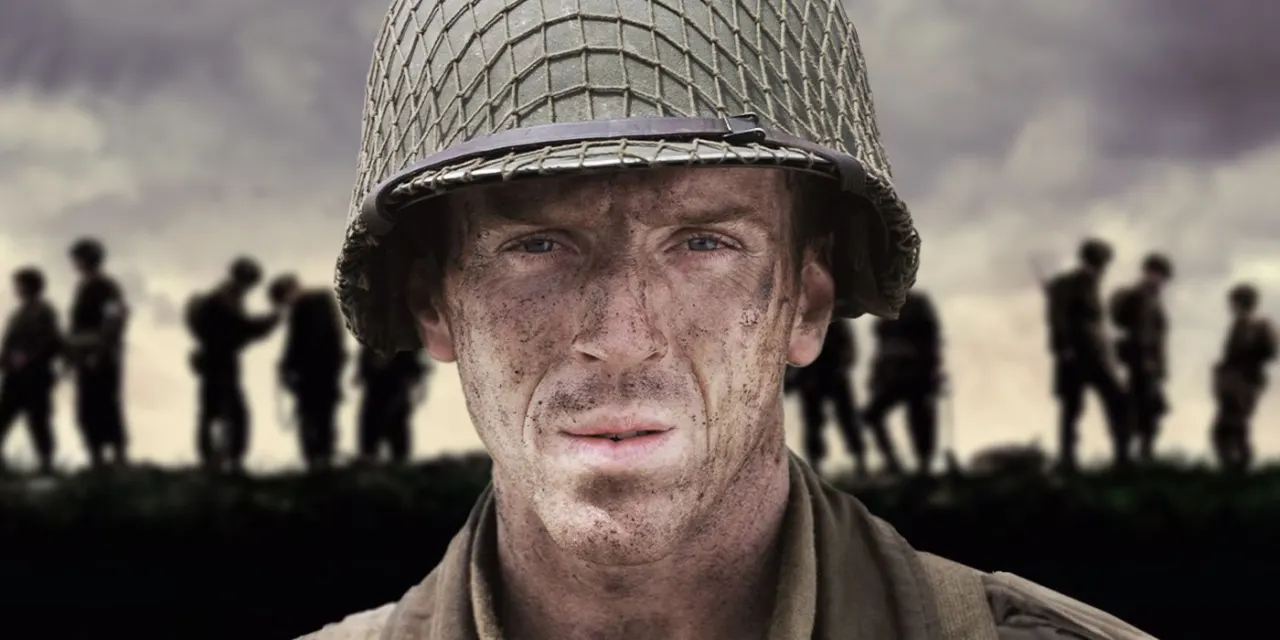
As HBO Max marks its 25th anniversary on 9 September with a new documentary, Band of Brothers: Legacy, attention has returned to the original 2001 series and why it has endured so well. The retrospective, featuring fresh interviews with cast members including Damian Lewis, Ron Livingston, Michael Cudlitz and David Schwimmer alongside previously unseen archival material, revisits how the show was made and the influence it has had over the past quarter-century. Beyond its praised cinematography and grit, the piece argues the series was especially prescient in how it portrayed the mental health struggles faced by soldiers during the Second World War, a subject not widely acknowledged at the time.
Rather than confining the issue to a single "bottle episode," Band of Brothers wove psychological strain throughout its ten episodes as an ongoing, recurring presence, mirrored in small gestures such as a look or an unusually long pause rather than overt exposition. This approach avoided stigmatising mental health, instead treating it as an inherent and constant part of a soldier's experience, which the article credits with giving the series its lasting emotional resonance with audiences.
In short
- Band of Brothers: Legacy documentary marks HBO Max's 25th anniversary on 9 September
- New cast interviews and archival footage revisit the show's making and legacy
- Series praised for realistically depicting soldiers' ongoing, unstigmatised mental health struggles
Explained simply
Band of Brothers is a ten-part HBO drama first shown in 2001. Based on historian Stephen E. Ambrose’s account of a US Army unit, Easy Company, it follows the men from their training through campaigns in Europe during the Second World War.
The series stars Damian Lewis, Ron Livingston, Michael Cudlitz and David Schwimmer, among others. Its story also depicts the psychological strain of combat as a recurring part of soldiers’ lives, at a time when mental health was less openly discussed. That portrayal is one reason the series continues to be examined as a drama about both war and its effects on those who fought.
Entertainment Health Mental Health Music TV