Uniform recycling scheme gains traction as parents face affordability crisis
Developed over time first seen 2 months ago
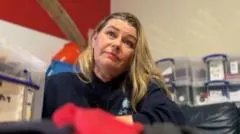
A school uniform recycling scheme in Sheffield has seen unprecedented demand this year, reflecting wider concern among parents about the cost of kitting out children for school. Uni-Recycle, a not-for-profit run by Joanne McCarthy from pop-up shops at Heeley Parish Church, reported that 2026 had been its "busiest year" since starting five years ago with just two donated bags of clothing. The surge coincides with a new law that took effect this month restricting schools to a maximum of three branded uniform items, a change the government said could save families up to £50 per child.
Uni-Recycle now holds thousands of items, sold cheaply or given free to families most in need, with referrals nearly doubling this year to almost 40 households; one recent fundraising sale for such families raised close to £400, up from around £20 previously. Customers including Nadia, Johnny Rippon and Emma, a mother of seven school-age children, praised the scheme as invaluable and welcomed the branding law change as a step towards easing costs, though some questioned whether items such as shirts and ties remained necessary. The concerns were echoed in research by Save the Children and the Baby Bank Alliance, which found almost half of parents worried about uniform costs and a third of 2,000 surveyed had gone without things themselves to cover back-to-school expenses.
- Sources
- 2
- Outlets
- 2
- Left · Centre · Right
- 0 · 1 · 0
In short
- Sheffield's Uni-Recycle scheme reports its busiest year for demand
- New law limits schools to three branded uniform items, aiding affordability
- Survey finds nearly half of parents worry about uniform costs
How this story developed
- 2 months ago The story broadened out with fuller detail on the scheme's growth, revealing that fundraising takings have jumped from around £20 to nearly £400 per sale and linking the surge in demand directly to a new law, now in force, capping schools at three branded uniform items to save families up to £50 per child.
- 2 months ago New testimony from Uni-Recycle customers and fresh national survey data underlined how heavily rising uniform costs are weighing on Sheffield families this year, with founder Joanne McCarthy calling 2026 the scheme's busiest yet since its 2021 launch.
Full account
A community scheme that redistributes second-hand school uniforms in Sheffield says it has seen unprecedented demand this year, as families grapple with the rising cost of kitting children out for the classroom. Uni-Recycle, based at Heeley Parish Church, reports that 2026 has been its busiest year since it began, with organisers crediting both wider financial pressures on households and a recent change to the law governing branded school wear.
The project was started five years ago by Joanne McCarthy with just two bags of donated clothing. It has since grown into a not-for-profit community interest company, backed by local charities and supermarkets, which now holds regular pop-up sales offering thousands of items — from blazers to shoes — at heavily discounted prices, some for as little as 10p. McCarthy said interest had risen so sharply that the group had added an unplanned extra sale in August, yet even this failed to keep pace with the number of families coming through the door.
The surge coincides with a change in government policy that took effect this month, restricting schools to requiring no more than three branded uniform items, a measure ministers say could save some families as much as £50 per child. McCarthy welcomed the intention behind the rule but suggested it should be seen as a moderation of branding requirements rather than an end to uniforms altogether, arguing that a shared dress code still had value in helping children feel they belonged, even if many schools' branded item lists had until now gone beyond what was truly necessary.
Alongside its discounted sales, Uni-Recycle provides uniforms free of charge to families referred to it as being in particular financial need — a group that has almost doubled in size this year to nearly 40 households. McCarthy said the scheme was deliberately designed so that families relying on free items could take part in the same sales as paying customers, without any visible distinction, so that nobody using the service felt singled out or embarrassed. She noted that the free sale aimed at families in need has itself grown substantially, from raising around £20 at its first outing to nearly £400 more recently, reflecting the scale of participation even among those paying only nominal amounts.
Shoppers at the pop-up sales gave a mixed but broadly positive account of the scheme's value. One customer, Nadia, who bought items for her son starting school this year, said she had been struck by the sheer volume of stock on offer and welcomed the new limit on branded items as a practical help to parents, particularly given how quickly young children go through clothing. Another shopper, Johnny Rippon, described the recycling project as a sensible response to the financial strain of the back-to-school period, and said the change in the law was a move in the right direction, given how much money and material could otherwise be wasted on garments children soon outgrow or wear out.
Where outlets differ
From the full account, which is AI-written from the sources:
Only one of the two supplied source links contained usable article content (the BBC-style report from Sheffield); the second source resolved only to a generic Google sign-in/cookie-consent page with no story text, so no genuine second-outlet perspective, framing, or additional facts could be drawn from it or compared against the first.
Within the single usable source, emphasis varies between speakers: the scheme's founder frames the surge in demand primarily around affordability and inclusion (avoiding stigma for families in need), while customers quoted focus more on practical relief from back-to-school costs and frustration at clothing waste — these are complementary rather than conflicting emphases, not a factual disagreement.
Explained simply
Uni-Recycle is a not-for-profit set up in Sheffield five years ago, which collects and redistributes second-hand school uniforms. It started with just two bags of donated clothes and now holds thousands of items, sold cheaply or given away free at pop-up sales, most recently at Heeley Parish Church, run by founder Joanne McCarthy.
The scheme has become part of a wider conversation about the cost of sending children to school. Surveys by charities including Save the Children and the Baby Bank Alliance have found that a large proportion of parents worry about uniform costs, with some saying they have cut back on essentials themselves to cover back-to-school spending. A new law has also been introduced limiting schools to requiring just three branded uniform items, aimed at making it easier for families to buy cheaper, unbranded alternatives.
These two threads have come together this year, with Uni-Recycle reporting record demand from families and a sharp rise in referrals for free uniforms, against a backdrop of continuing pressure on household budgets.
Coverage · 2 sources
Read the full article at the source →
Originally published by feeds.bbci.co.uk as “Recycled school uniform project sees demand soar”.