‘Sumo: Spirit Weighs Nothing’ Review: A Handsome Ode to an Oft-Disrespected Sport
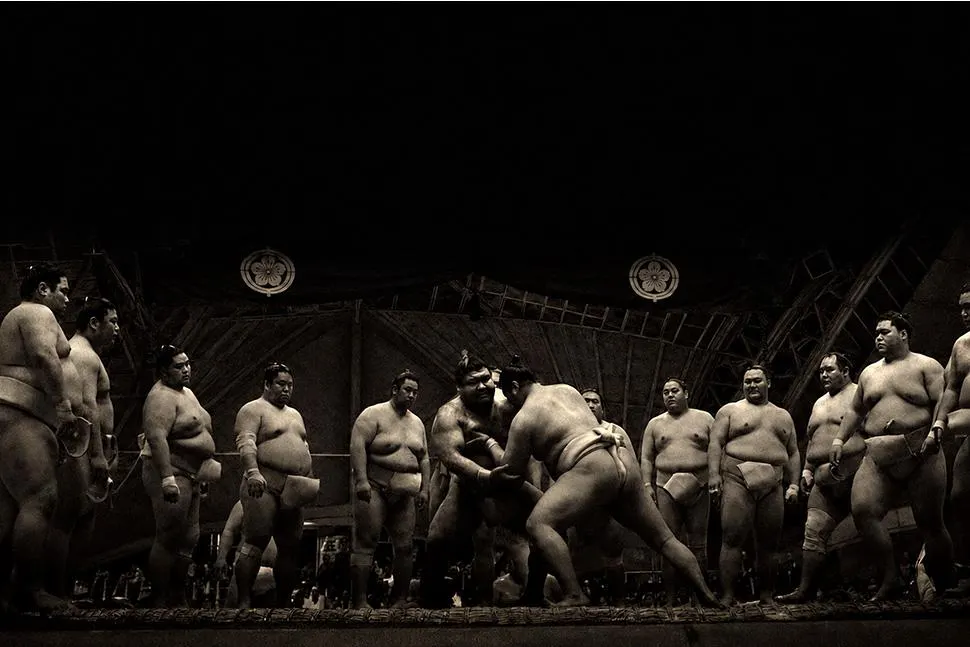
Erik Shirai's documentary "Sumo: Spirit Weighs Nothing," produced by ESPN Films, premiered as the opening film of Venice's Spotlight competition, following several sumo wrestlers across a year of their careers. The film aims to present sumo with dignity and beauty rather than the reductive framing it often receives in the West, though this respectful approach means it largely avoids grappling with the sport's more difficult issues.
The documentary follows figures including 24-year-old Hiradoumi, a rising Japanese star; teenage trainee Yonezawaryu, who has doubts about the sport's physical toll; and Mongolian-born Terunofuji, the only active yokozuna at the time of filming, who at 33 is contemplating retirement after a 14-year career and admits sumo may be cutting his lifespan by 10 to 20 years. The review notes the film glosses over controversies such as hazing, match-fixing and the exclusion of women, and only briefly touches on sumo's declining popularity in Japan and the rarity of homegrown champions, but praises its striking black-and-white and sepia-toned cinematography.
In short
- ESPN-produced sumo documentary premieres as Venice's Spotlight opener
- Follows wrestlers from teenage trainees to a veteran yokozuna
- Praised visually but criticised for avoiding sumo's darker controversies
Steelman: both sides, in good faith
The strongest fair case each way — we don't pick a winner.
The case for
The documentary’s respectful focus on wrestlers’ discipline, vulnerability and physical sacrifice offers a fuller portrait of sumo than the reductive depictions often seen in the West. Its striking cinematography and close attention to individual careers can make the sport’s human cost and cultural meaning visible without turning the wrestlers into spectacles.
The case against
By largely avoiding hazing, match-fixing and the exclusion of women, the film risks presenting sumo’s dignity while leaving its institutional problems unexamined. A more direct engagement with those controversies, as well as the sport’s declining popularity and health costs, could have made its portrait more complete and accountable.
Explained simply
Sumo is Japan’s traditional form of wrestling, with professional wrestlers competing in a ring called a dohyo. Its top division is ranked, and the highest rank is yokozuna, a title held by only a few wrestlers at a time.
The film follows wrestlers at different stages of their careers, including rising Japanese wrestler Hiradoumi, teenage trainee Yonezawaryu and Mongolian-born yokozuna Terunofuji. Their experiences show the sport’s demands: wrestlers train and compete under intense physical strain, and some face difficult choices about how long to continue.
Sumo carries deep cultural significance in Japan, but it has also faced controversies including hazing, match-fixing and the exclusion of women from competition. The sport’s audience has declined, and Japanese champions have become less common, making questions about its health and future part of the wider story.