Tories to blame for anti-migration protests in Dover and Portsmouth, policing minister says
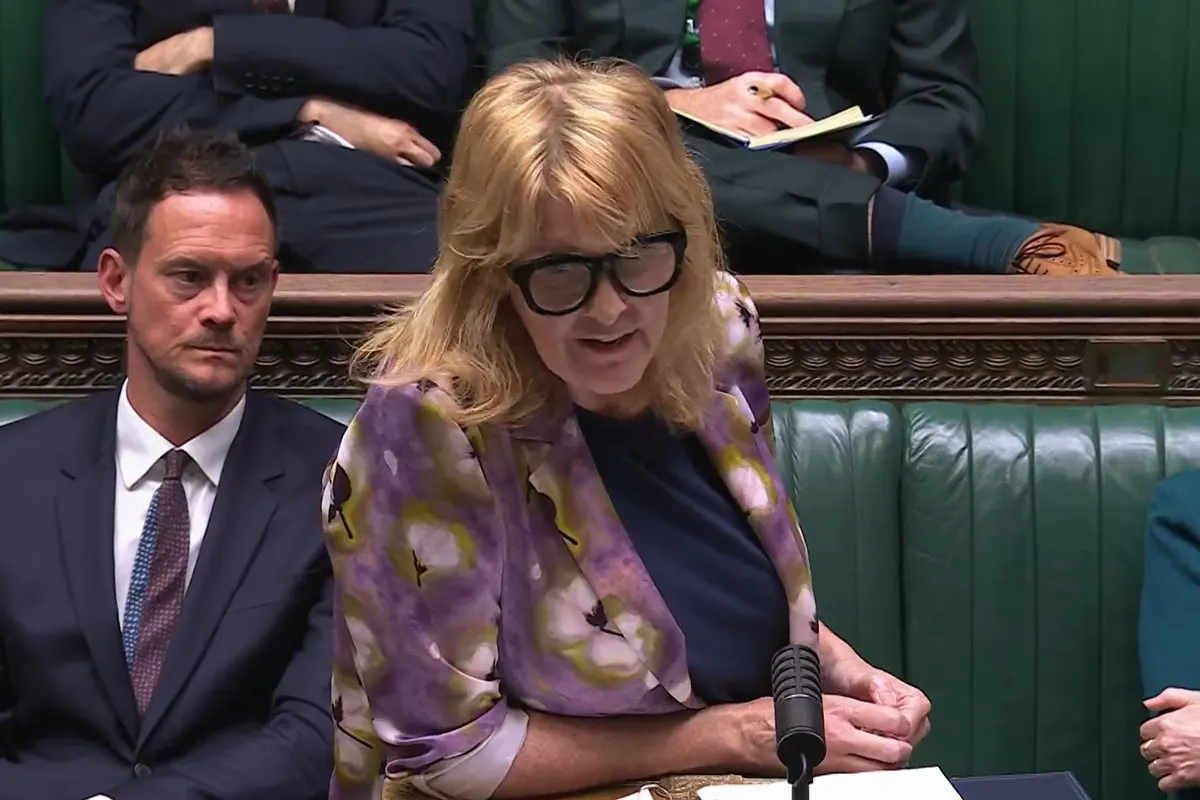
Policing minister Sarah Jones has blamed the previous Conservative government for the anger fuelling anti-migrant protests in Dover and Portsmouth, after a weekend of unrest that saw police vehicles damaged and officers injured. Masked demonstrators blocked access to the Port of Dover on Saturday, while a stand-off in Portsmouth on Sunday night turned violent, with Jones branding organisers Patriot Platform "far-right racist" and warning that anyone crossing into illegality would face the full force of the law.
Jones told the Commons that around 120 migrants arrived by boat near the Isle of Wight on Sunday, prompting more than 200 protesters to try to block coaches transporting them for processing. Hampshire Police have launched an investigation into assaults and criminal damage, though no arrests have yet been made, while the Hampshire Police Federation described the Portsmouth scenes as straightforward criminal disorder rather than legitimate protest. Conservative and Reform figures, including Chris Philp and Suella Braverman, rejected the "far-right" characterisation and called for tougher measures, including leaving the ECHR, while questions were also raised over whether Kent and Hampshire police were adequately prepared for the disorder.
In short
- Minister blames Tories for anger behind Dover and Portsmouth migrant protests
- Portsmouth unrest left officers hurt and vehicles damaged; no arrests yet
- Conservatives and Reform reject "far-right" label, demand tougher migration action
Steelman: both sides, in good faith
The strongest fair case each way — we don't pick a winner.
The case for
Jones’s argument is that years of Conservative rhetoric and policy around migration helped build public anger, which organisers then channelled into intimidation and violence. Holding the previous government politically accountable, while distinguishing lawful protest from criminal disorder, may help explain the unrest and reinforce the need for effective policing.
The case against
Critics can argue that blaming a previous government risks deflecting from the immediate causes, including current policy and questions about police preparedness. They may also say that rejecting the “far-right” label and pursuing tougher migration measures, including leaving the ECHR, are legitimate political positions, and that peaceful protest should not be conflated with the violence of some participants.
Explained simply
The protests took place in Dover and Portsmouth, two south coast towns linked to small boat crossings from France. People arriving by boat are taken for checks and to have their claims to stay in the UK considered; protests have focused on the places where they are processed or transported.
Sarah Jones is the Labour government’s policing minister. She says the previous Conservative government helped fuel public anger over migration, while Conservative and Reform politicians dispute her account and argue for tougher measures. The protests have also raised questions about public order and how police should respond when demonstrations become violent.
The issue matters because it brings together migration policy, local concerns and the right to protest. Police are investigating reported assaults and damage, while the government says people who break the law will face consequences.