Whitehall’s latest plan to get things done: Less Whitehall
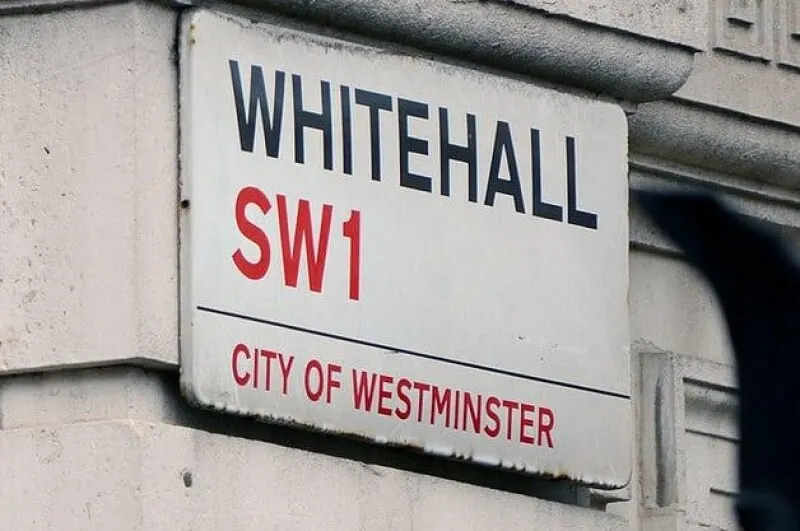
The UK government has told ministers to cut back on formal consultations, tolerate greater legal risk, and curb judicial reviews in a bid to speed up decision-making. In a letter sent on Monday, Chancellor John Healey, First Secretary of State Louise Haigh, and Attorney General Ellie Reeves said "consultation culture" had become an "industry of dither and delay", arguing that consultations often fail to reach the most relevant voices and tend to water down policy into a "lowest common denominator" outcome.
Departments have been instructed to hold formal consultations only when legally required, when skipping one would be "conspicuously unfair", or when ministers see a specific reason to seek outside input, and to re-examine rather than assume past commitments to consult still apply. The government also wants to strip thousands of consultation and reporting requirements from the statute book, with repeal now the default. Alongside this, ministers are being encouraged to press ahead with policy even where lawyers rate legal risk as high, provided there is a "tenable legal argument", with updated guidance for government lawyers due this week; plans are also afoot to extend judicial review reforms, currently limited to energy infrastructure, to transport, water and other major projects. The move follows separate, so far patchy, efforts to rein in consultancy spending, including a 2024 pledge to save £1.2 billion annually by 2026 that hasn't stopped large contracts, such as up to £200 million to Deloitte and £150 million to PA Consulting at the Home Office.
In short
- Whitehall to slash formal consultations, calling them an "industry of dither"
- Ministers told to accept higher legal risk to push policy through
- Judicial review reforms may extend beyond energy to transport and water projects
Steelman: both sides, in good faith
The strongest fair case each way — we don't pick a winner.
The case for
Supporters argue that excessive consultation and reporting requirements can delay urgent policies and major infrastructure, while often drawing input from organised interests rather than the people most affected. Giving ministers more room to act on tenable legal advice could make elected leaders more accountable for decisions and help deliver public priorities faster.
The case against
Critics argue that consultation lets affected communities, experts and businesses identify practical problems before policies are fixed, and that cutting it risks excluding those with less access to ministers. Encouraging action despite high legal risk and limiting judicial review could weaken safeguards against unlawful decisions, leaving costly disputes and harms to be addressed later.
Explained simply
Government departments often consult the public, businesses and other groups before changing policies or rules. Some consultations are required by law; others are used to gather evidence or hear from people affected by a decision. Ministers and civil servants then develop policy within legal limits, and people can ask courts to review whether public bodies have acted lawfully.
The main players are ministers, who set government policy, civil servants who put it into practice, government lawyers who advise on legal risks, and the courts, which can examine decisions through judicial review. Consultants are separate, privately hired firms that advise departments on particular work.
The debate is about how to balance faster decisions with scrutiny and legal safeguards. Consultation rules and reporting duties are set out in legislation, while judicial review gives people and organisations a route to challenge government action in court.