Culture news and discussion on TalkFuse.
NFL legend reveals why eating ‘real food’ after retirement led him to raise his own beef
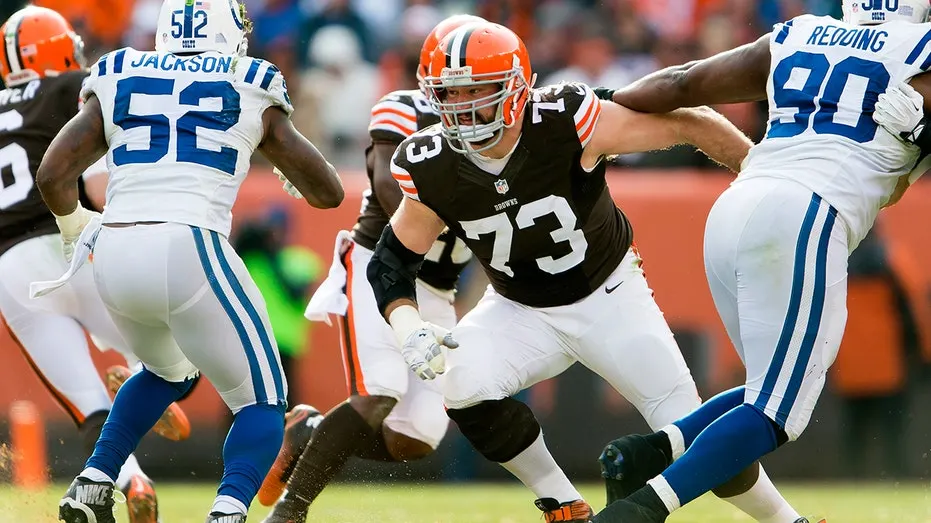
Former Cleveland Browns offensive tackle Joe Thomas, a Pro Football Hall of Famer known for playing an NFL-record 10,363 consecutive snaps, has built a second career running Hall of Fame Farms, a roughly 4,100-acre cattle operation in Wisconsin. The story highlights a growing trend of retired athletes turning to agriculture and food production, and has drawn attention from US Agriculture Secretary Brooke Rollins, who cited Thomas as an example of someone building a farming business from scratch rather than as a hobby.
Thomas bought the original 1,200-acre property in 2012 while still playing in the NFL, starting with just five cows and a bull; the farm now spans about 4,100 acres and raises hundreds of cattle, increasingly focused on Wagyu beef. His interest deepened after retiring in 2018, when he lost roughly 70 pounds and began prioritising "real food" and knowing the source of what he eats. He recently joined Rollins at the White House as President Trump signed two executive orders supporting US ranchers, and continues to work in broadcasting alongside his farming venture.
In short
- Ex-NFL star Joe Thomas now runs a 4,100-acre Wisconsin cattle farm
- Post-retirement health focus led him to raise his own beef
- Agriculture Secretary Brooke Rollins praised his from-scratch farming success
Explained simply
Joe Thomas is best known as a former Cleveland Browns player. American football teams compete in the National Football League, and Thomas became a Hall of Famer after a career that included a record run of consecutive plays without missing a snap.
While still playing, Thomas bought land in Wisconsin and began raising cattle. After retiring in 2018, he became more interested in eating less processed food and knowing where it came from; the farm has since grown into a large cattle business, with a focus on Wagyu beef.
His story is part of a wider trend of former athletes moving into farming and food production. It also draws attention to the role ranching plays in the US food supply and to efforts by the government to support ranchers.