Entertainment news and discussion on TalkFuse.
Call of Duty introduces a gun skin that you can only see on an Xbox console
Developed over time first seen 2 months ago
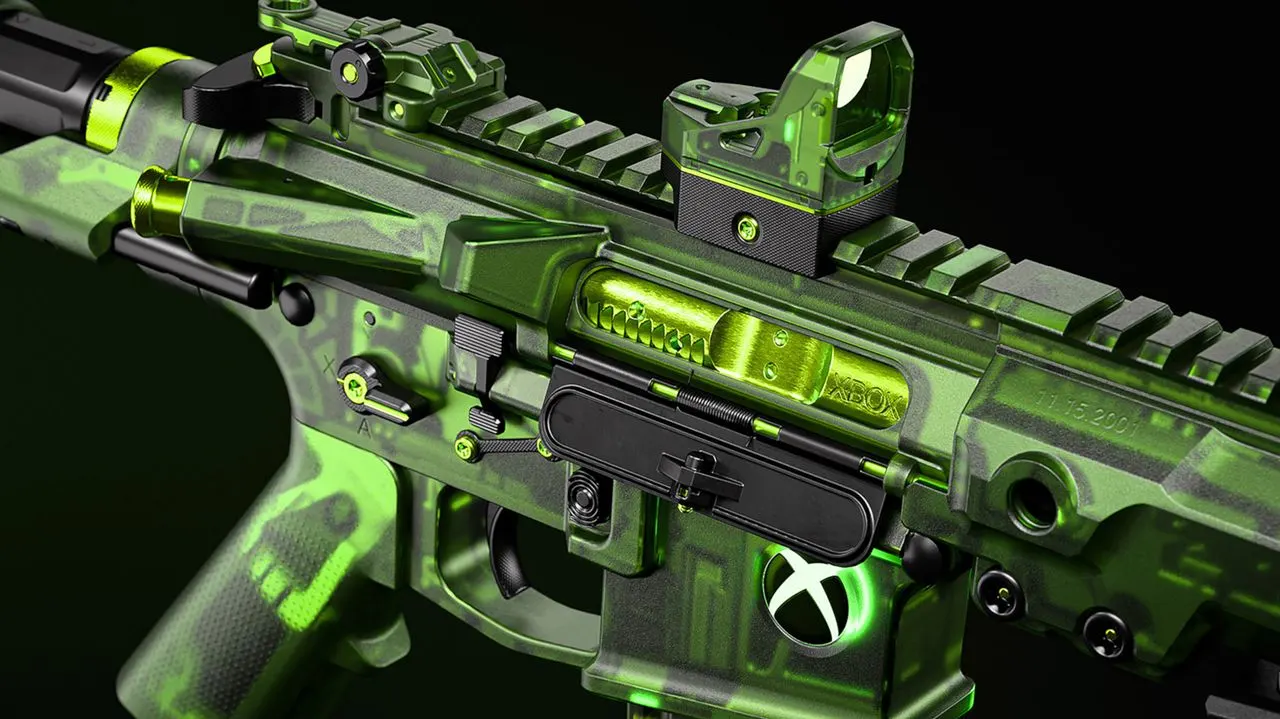
A report from PC Gamer states that Call of Duty has introduced a weapon skin visible only to players on Xbox consoles, meaning the same cosmetic item appears differently or not at all depending on which platform a player uses. This stands out because Call of Duty is played across PlayStation, Xbox and PC with cross-platform matches, so any skin that renders inconsistently between systems raises questions about fairness and consistency for players who have purchased or unlocked the same content elsewhere.
Beyond the headline claim, the substantive details of the report — including which specific Call of Duty title or season introduced the skin, its name, the technical explanation for the platform-restricted rendering, and any comment from the developer or publisher — are not available, as the source page could not be retrieved beyond its navigation and subscription-related content. No further reporting has emerged to clarify these points, so the story remains limited to the original headline claim without additional confirmed detail.
- Sources
- 2
- Outlets
- 2
- Left · Centre · Right
- 0 · 0 · 0
In short
- Call of Duty reportedly added a gun skin only visible on Xbox
- Cross-platform inconsistency raises fairness questions for other players
- Further details on the title, season or cause remain unconfirmed
How this story developed
- 2 months ago Call of Duty has reportedly added a gun skin that only renders visually for players on Xbox consoles, according to the headline of this PC Gamer report — an unusual case of a cosmetic item appearing differently depending on which platform a player uses.
- 2 months ago The article's headline reports that Call of Duty has introduced a gun skin that is only visible to players using an Xbox console, an unusual example of a cosmetic item behaving differently depending on the hardware platform.
- 2 months ago A report from PC Gamer states that Call of Duty has introduced a weapon skin visible only to players on Xbox consoles, meaning the same cosmetic item appears differently or not at all depending on which platform a player uses.
Full account
Activision has confirmed that Call of Duty: Modern Warfare 4 will ship with a weapon skin whose appearance depends on which console a player owns, rather than on anything they can choose in a menu. The blueprint, named 'Inner Circuit', is built on the M4 assault rifle and is being offered as an incentive to anyone who pre-orders the game digitally ahead of its 23 October release on PlayStation 5, Windows PC, Xbox Series X and Nintendo Switch 2.
Every player who claims the bonus receives the same underlying weapon blueprint, complete with an identical set of attachments geared towards accuracy, handling and mobility in close- and mid-range engagements, and Activision has stated that the loadout performs identically regardless of platform. What differs is purely cosmetic: players on Xbox see a translucent green design that echoes the look of the original Xbox console, marking the platform's 25th anniversary, and carries Xbox branding on the magazine, while everyone else is shown a more conventional military-style finish on the same gun.
The unusual part is that this is not simply a case of one platform getting an exclusive cosmetic to keep for itself, since that has precedent in Call of Duty releases and the wider industry. Instead, the skin's appearance is tied to the viewer's own platform rather than the wielder's, meaning an Xbox player equipping the Inner Circuit M4 will still appear to be using the standard mil-spec version when seen by someone on PlayStation, PC or Switch 2. Players have no way to toggle which version they see, as the effect is applied automatically depending on the hardware in front of them.
Coverage of the announcement has largely converged on the same details, since Activision's own blog post appears to be the primary source, though outlets have differed in framing: some accounts lean into the novelty and oddity of a cosmetic that behaves this way, describing it as a fresh twist on platform-exclusive bonuses, while framing it loosely within the context of long-running rivalry between console makers. Reporting has also been consistent in stressing that the split is cosmetic only, with no gameplay or competitive advantage attached to either version of the weapon.
Where outlets differ
From the full account, which is AI-written from the sources:
One of the two source reports (PC Gamer) consisted almost entirely of site navigation, membership and cookie-banner boilerplate rather than substantive article text, so it could not be drawn on for factual detail beyond confirming the story's existence and headline framing.
The other source characterised the announcement through a 'console wars' lens, emphasising rivalry between Xbox and PlayStation/PC as a framing device, which is an editorial emphasis rather than a claim repeated elsewhere.
Only one usable source provided the specific attachment/build details and the Xbox 25th-anniversary tie-in; this could not be cross-checked against a second independent account due to the limited content available from the first source.
Steelman: both sides, in good faith
The strongest fair case each way — we don't pick a winner.
The case for
Different gaming platforms have genuinely different technical architectures and rendering capabilities. Developing high-quality cosmetics that look identical across PC, PlayStation, and Xbox involves significant technical complexity, and developers may reasonably conclude that optimizing a cosmetic for where it renders best serves players better than compromising quality everywhere. Platform partnerships and exclusive cosmetics arrangements are industry-standard practice, no different from timed exclusives or platform-specific features elsewhere in gaming. Since cosmetics are optional purchases that don't affect competitive balance, some variation across platforms is an acceptable trade-off.
The case against
Cosmetics in cross-platform multiplayer games exist precisely to be seen consistently by all players regardless of platform. Selling the same cosmetic item across platforms whilst rendering it differently undermines its core value proposition—if your gun skin doesn't display the same way to your teammates or opponents, you're not getting what you paid for. This arrangement is particularly frustrating without clear pre-purchase disclosure, leaving players discovering after spending money that their cosmetic won't look as intended on their platform. Cross-platform matching should mean cross-platform consistency for cosmetics; otherwise, developers are fragmenting the shared experience that justifies the cosmetic purchase.
Explained simply
Call of Duty is one of the world's biggest video game franchises, published by Activision, and it is designed to be played across multiple platforms including PlayStation, Xbox and PC. Players can often buy or unlock cosmetic items called skins, which change the appearance of weapons or characters without affecting how the game plays. Because the same game is meant to work the same way for everyone, players and outlets that cover the series tend to pay close attention when something looks or behaves differently depending on which console or system someone is using.
Reports of a skin behaving inconsistently between platforms matter because they touch on fairness and consistency for a shared player base. Call of Duty's community spans several hardware makers, including Microsoft, which owns Xbox and also owns Activision Blizzard, the studio group behind the game. Any suggestion that a paid or unlocked item might look different, or appear at all, depending on someone's chosen console could raise questions about how content is tested and rolled out across platforms.
Coverage of this kind typically comes from gaming outlets such as PC Gamer, which follow patch notes, in-game changes and player reports closely. As with many gaming stories that begin with a striking claim, further detail is usually needed to establish which specific game version, season or update is involved, and what technical explanation, if any, is given by the publisher.
Coverage · 2 sources
Call of Duty Entertainment Gaming