Trump & Other Major Hurdles Ahead For Federal Film & TV Tax Incentive Bill Becoming Reality
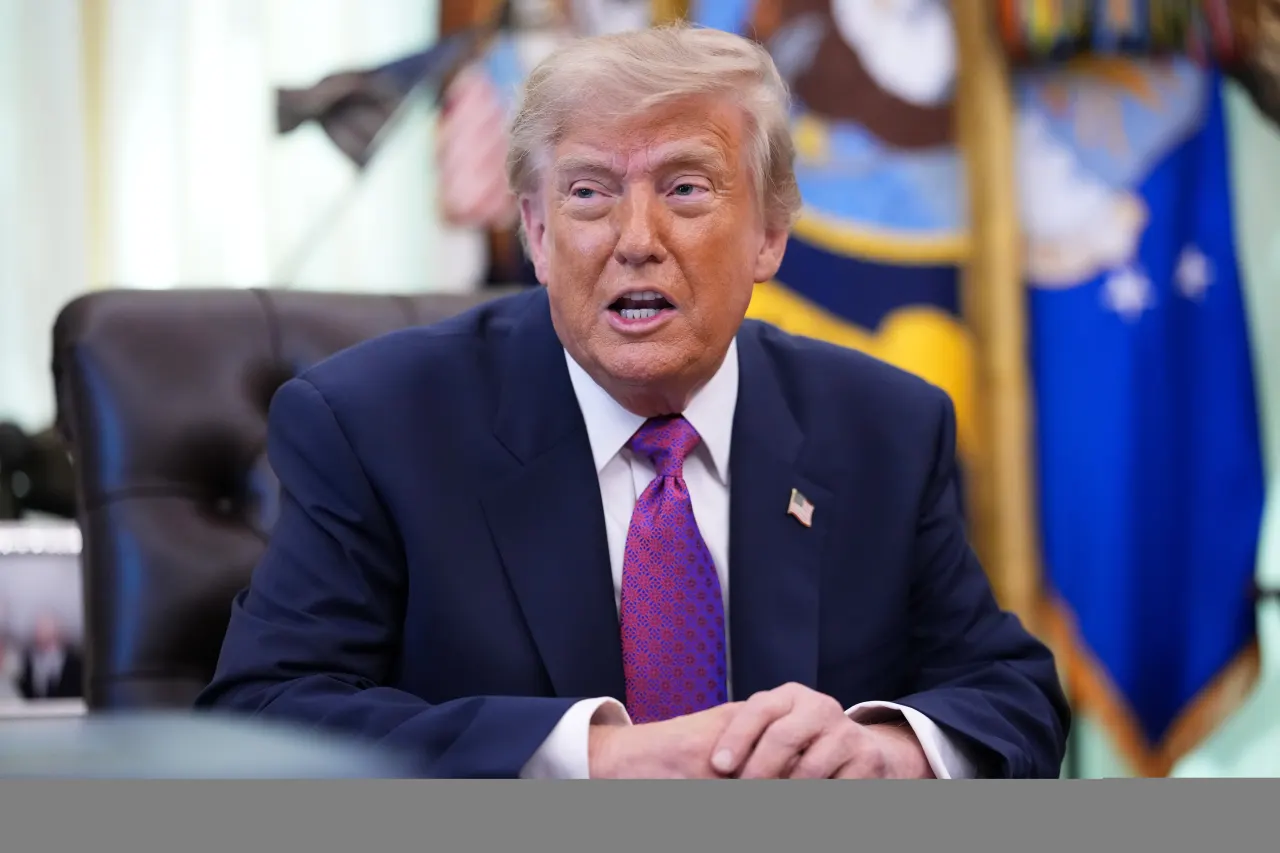
A federal tax incentive for film and television production has gained fresh momentum after Donald Trump backed the idea, with lawmakers from both parties now drafting legislation for what could become the strongest push in decades to bring a nationwide production credit into law. Current proposals centre on a 20% incentive, with an extra 5-10% available for rural areas or productions spread across several states, and support extends to bipartisan members of the House Ways & Means Committee, which controls tax policy. Despite the momentum, significant obstacles remain, including a compressed legislative calendar before the midterms and uncertainty over how political dynamics might shift after the election.
Senator Adam Schiff described it as the best opportunity in decades to get such a bill passed, though he cautioned that negotiations are still ongoing and no deal has been finalised. A bill could be introduced this month, with an update expected once Congress reconvenes, though with little time left before the midterms, any legislation is more likely to be attached to an end-of-year government funding package, which expires on 11 December, rather than passed as a standalone bill. Proponents, including studio and union representatives, are expected to intensify lobbying efforts, while the proposal will face scrutiny from the Congressional Budget Office over its costs and job-creation claims. A central question is whether the incentive will be generous enough to draw productions back from rivals such as the UK, Australia and Canada, given past criticism that California's state-level scheme was too small compared with those offered by New York and Georgia.
In short
- Trump's backing revives federal film/TV tax incentive prospects in Congress
- Plan proposes a 20% credit plus 5-10% rural/multi-state bonus
- Bill likely tied to year-end funding deal, not standalone legislation
Steelman: both sides, in good faith
The strongest fair case each way — we don't pick a winner.
The case for
Supporters can argue that a federal credit would help US productions compete with countries offering incentives, attract investment and sustain jobs across the film and television workforce. A nationwide scheme, with extra support for rural or multi-state productions, could spread activity beyond established production centres, while bipartisan backing offers a rare chance to advance the policy.
The case against
Sceptics can argue that a 20% credit, potentially rising to 30%, could impose substantial public costs, and that promised job creation and economic returns need careful scrutiny. With limited time before the midterms, attaching the measure to a year-end funding package could also curtail proper debate; even a generous incentive may not reliably bring productions back from overseas competitors.
Explained simply
Film and television tax incentives are payments or tax breaks designed to encourage productions to work in a particular place. Many US states offer them, while countries such as the UK, Australia and Canada compete for productions with their own schemes. The US has no nationwide production credit.
The proposals under discussion would give productions a federal incentive, with possible extra support for rural areas or projects filmed across several states. Supporters include people in both parties, as well as studio and union representatives; Senator Adam Schiff is among those backing the effort. The House Ways and Means Committee has a key role because it oversees tax policy.
A federal scheme could affect where productions are made and how much public money is spent to attract them. The Congressional Budget Office would assess the proposal’s cost and claims about jobs, while lawmakers would need to agree on its design and funding. The size of the incentive may shape whether it can compete with offers from other countries.
Entertainment Film Government Politics TV