Burnham dismisses ‘brutal cuts’ to welfare after Chancellor’s humiliating U-turn on whether surging costs will come down before election
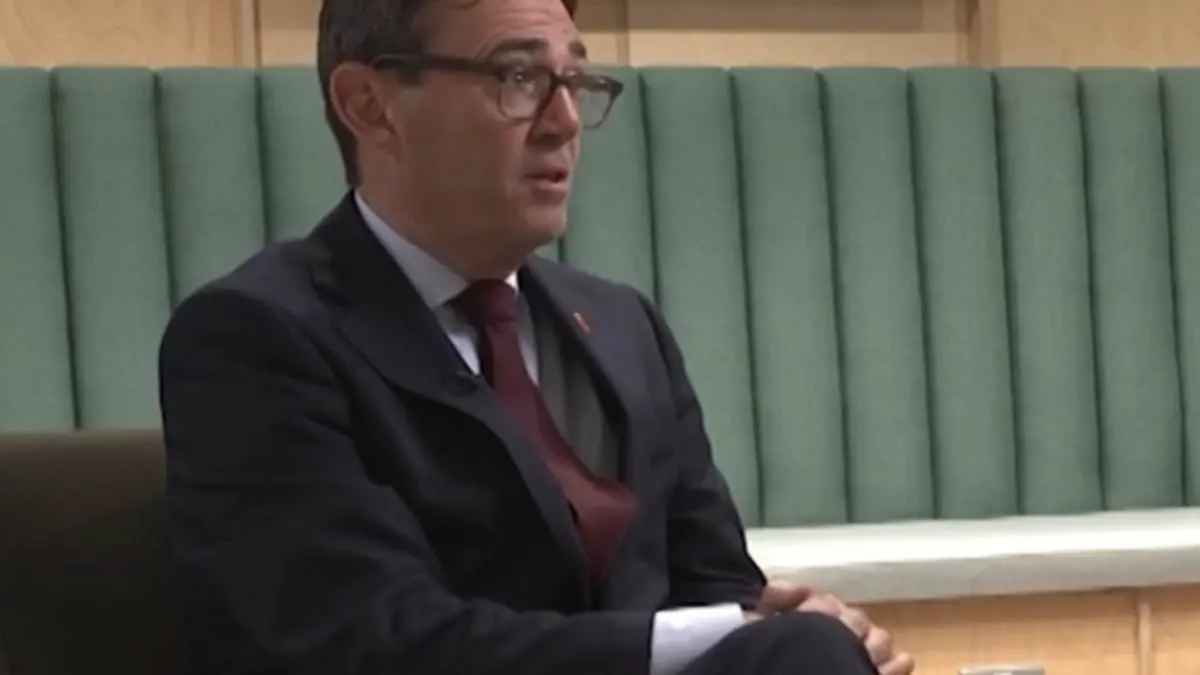
The Government has given conflicting signals about whether it will reduce welfare spending before the next general election. Andy Burnham rejected “brutal cuts”, arguing that abrupt reductions could leave people in crisis and increase pressure on other public services, while saying he wanted to help more people into work.
After the Budget, Chancellor John Healey appeared to say there would be a reduction in the benefits bill before the election, then later said it was not correct to promise the bill would fall during this Parliament. Downing Street said there was no fixed timetable, while Wes Streeting said cuts before the election had not been ruled out. The bill is forecast to exceed £350 billion next year and rise by more than £60 billion by 2029; Conservative leader Kemi Badenoch criticised Labour for failing to set out a clear plan.
In short
- Ministers sent mixed messages about when welfare spending will fall.
- Burnham argued against abrupt cuts that could push people into crisis.
- Welfare spending is forecast to top £350 billion next year.
Steelman: both sides, in good faith
The strongest fair case each way — we don't pick a winner.
The case for
Welfare spending should be reduced through reforms that help more people into work and make the system sustainable as costs rise. Supporters of this approach argue that a clear plan would give the public confidence that limited resources are being used responsibly, while leaving scope to protect people who cannot work.
The case against
Abrupt benefit cuts risk pushing vulnerable people into crisis and shifting costs to other public services, so reductions should not be promised on a fixed timetable. This view prioritises adequate support while the Government addresses barriers to work and weighs reforms carefully, even if that means the benefits bill does not fall before the election.
Explained simply
Welfare spending includes benefits and support for people who are unemployed, disabled or on low incomes. The Government sets policy for this spending, while the Chancellor oversees public finances and ministers make decisions about support and employment.
Andy Burnham, the mayor of Greater Manchester, has argued that sudden reductions could leave people in difficulty and increase demand on services such as the NHS. He has also said more people should be helped into work. The debate matters because welfare spending is a large part of public spending, and changes can affect both recipients and the services that support them.
Business Elections Markets Politics World