‘That was all secret’: the ‘gay mole’ who fought the BBC to show the first queer kiss on kids’ TV
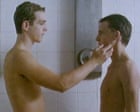
A new account of the 1987 BBC schools drama Two of Us reveals it as an overlooked predecessor to Heartstopper, telling a near-identical story of a teenage boy falling for his male best friend at a comprehensive school. Made for the BBC's Scene strand and intended for classroom broadcast, the film was pulled from its original transmission and delayed by a year after backlash, with its ending altered and a kiss between the two boys cut before it was eventually shown late at night. The episode highlights how far television has moved since, with tabloids at the time, including the Sun, campaigning against the broadcast.
Directed by Roger Tonge and written by Leslie Stewart, the 60-minute drama followed Phil, who is dating a girl but develops feelings for his friend Matthew, with the pair eventually running away together to Seaford, Sussex. Its writer says he was struck by how mild the story actually was, insisting it was simply a love story, but it fell foul of an era when the gay age of consent stood at 21 (compared with 16 for heterosexual couples), and the Daily Express ran the front-page headline "BBC accused over gay TV for schools." Despite the controversy, Tonge had hoped the drama would reduce stigma and reassure isolated young viewers, foreshadowing the more openly celebrated arrival of Heartstopper decades later.
- 1987 BBC drama Two of Us predated Heartstopper's gay teen storyline
- Broadcast was delayed a year after tabloid backlash and edits
- Kiss was cut and ending changed before its late-night airing
New here? Start with this
Two of Us was a 60-minute drama made by the BBC in 1987 for its Scene strand, a series of programmes designed to be shown to schoolchildren. Written by Leslie Stewart and directed by Roger Tonge, it told the story of a teenage boy who is dating a girl but falls for his male best friend, with the pair eventually running away together. The story is now being revisited because of its striking similarity to the more recent hit Heartstopper.
At the time, the drama caused significant controversy. It was pulled from its original broadcast slot, delayed by a year, altered to remove a kiss between the two boys, and eventually shown late at night rather than in schools, after tabloid newspapers including the Sun and the Daily Express campaigned against it. This happened against a legal backdrop in which the age of consent for gay men in Britain was 21, compared with 16 for heterosexual couples.
The story matters because it sheds light on a little-known piece of television history and how attitudes towards LGBTQ+ representation, particularly aimed at young people, have shifted since the 1980s. It also raises questions about the people involved in getting the drama made and broadcast despite the opposition it faced.