Union boss urges Burnham to forge closer ties with EU to undo damage done by Tories’ ‘bad’ Brexit deal
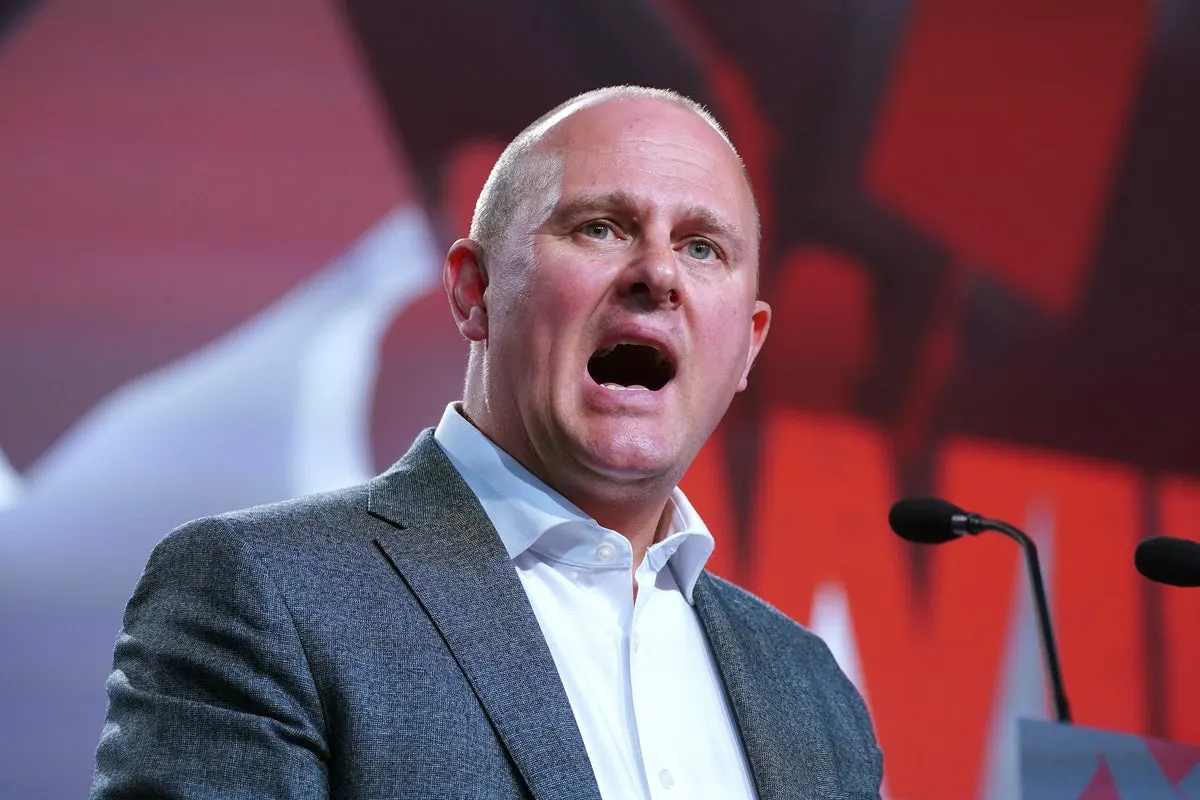
Paul Nowak, general secretary of the TUC, has urged Prime Minister Andy Burnham to use an upcoming UK-EU summit to forge much closer ties with the bloc, arguing that Britain is still paying the price for what he called the Conservatives' "bad" Brexit deal. He said that with a difficult Budget approaching, war in Ukraine, and uncertainty from Donald Trump's tariff policies, the government must act now to rebuild economic and political relations with the EU, describing it as the UK's largest trading partner and most important market.
Nowak stopped short of calling for a return to the single market, customs union or free movement, and said he was not seeking to rerun the referendum or rejoin the EU. He called instead for sectoral deals, including in pharmaceuticals, and for access to "Made in Europe" arrangements alongside the government's reindustrialisation agenda, citing estimates that Brexit has cut UK GDP by up to 8 per cent. His comments, made to The Independent ahead of TUC Congress opening in Brighton, come as a new poll found 56 per cent of the public would support the government going further than Labour's current Brexit "red lines".
In short
- TUC chief urges Burnham to seek closer EU ties at upcoming summit
- He blames Tories' Brexit deal for costing up to 8% of GDP
- Poll shows majority back government going beyond Labour's Brexit red lines
Steelman: both sides, in good faith
The strongest fair case each way — we don't pick a winner.
The case for
Closer UK-EU ties could reduce trade frictions, support sectors such as pharmaceuticals and strengthen the economy at a time of fiscal and geopolitical uncertainty. Sectoral agreements could pursue these benefits without reopening the referendum or requiring a return to the single market, customs union or free movement.
The case against
Closer alignment could limit the UK’s freedom to set its own rules and priorities, while negotiating new sectoral arrangements may bring costs and obligations without resolving all barriers to trade. With a difficult Budget and other pressures, the government could instead focus on domestic reforms and preserve its current Brexit red lines unless specific agreements show clear benefits.
Explained simply
Brexit was the UK’s departure from the European Union, the political and economic union of 27 European countries. The UK left the EU’s single market and customs union under a deal negotiated by the Conservative government and took effect in 2021, changing how businesses trade goods and services across the Channel.
Paul Nowak leads the Trades Union Congress (TUC), which represents trade unions and their members. He is urging Prime Minister Andy Burnham to build closer UK-EU links through agreements in particular sectors, such as pharmaceuticals; he has said this would not mean rejoining the EU or restoring free movement.
The debate matters because the EU is a major market for UK businesses, while changes to trade arrangements can affect jobs, prices and investment. Labour has set limits on how far it wants to change the relationship, and the question is whether closer cooperation could bring economic benefits while staying within those limits.