Record server sales fuelled by enterprise AI infrastructure growth
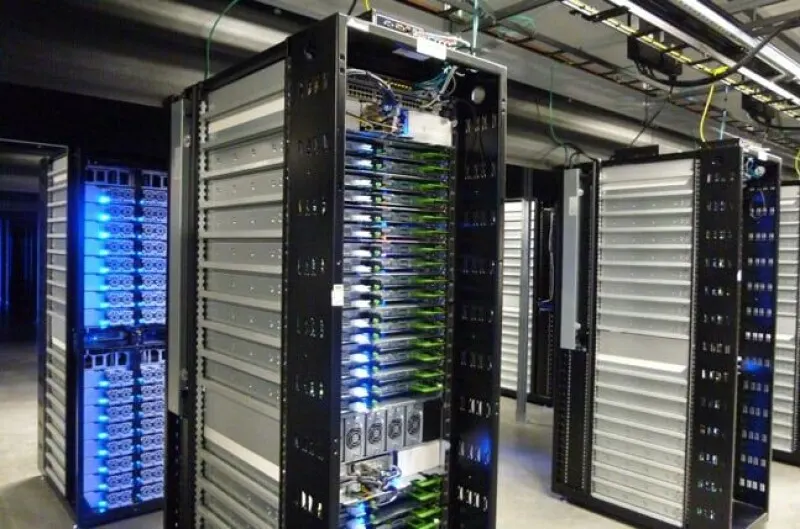
Server sales are booming despite rising prices, as AI infrastructure investment spreads beyond the big hyperscalers to enterprises and government buyers. According to market intelligence firm IDC, vendor revenue hit an all-time quarterly high of $166.3 billion in Q2, up 52 per cent year-on-year, in stark contrast to the PC market, where memory-driven price rises have discouraged buyers and dented unit shipments.
Server shipments still grew 15.4 per cent year-on-year despite average prices climbing, with GPU-accelerated systems up nearly 44 per cent to $170,200 and non-accelerated servers up over 33 per cent to almost $13,000, largely due to memory shortages and other supply constraints. GPU-accelerated servers accounted for nearly 53 per cent of total revenue, but IDC said demand is broadening to specialised cloud providers, sovereign AI programmes and enterprises adopting agentic workloads. Dell's market share rose sharply to 13.4 per cent as big brands eat into the traditional dominance of white-box manufacturers, while the US remained the largest market at $112.2 billion, ahead of China's $26.4 billion.
In short
- Global server revenue hit a record $166.3 billion in Q2, up 52%
- AI demand now spreading beyond hyperscalers to enterprises and governments
- Dell's market share jumped as ODMs lose ground to branded vendors
Steelman: both sides, in good faith
The strongest fair case each way — we don't pick a winner.
The case for
The sales surge suggests that organisations across business and government see AI computing as valuable infrastructure, and that broader investment may support new services, research and productivity gains. Rising shipments despite higher prices indicate real demand, while wider participation beyond major cloud firms could spread access and capability across sectors.
The case against
The figures also show heavy spending on costly, power-hungry equipment at a time when memory shortages and supply constraints are driving prices up. If expected AI benefits do not justify these costs, enterprises and governments could be left with underused systems, while scarce components and concentrated investment divert resources from other priorities.
Explained simply
Servers are powerful computers that run websites, business software and cloud services. Some are fitted with graphics processing units, or GPUs, which can handle the large calculations used to train and run artificial intelligence systems.
For years, much of the spending on AI computing came from large cloud companies, often called hyperscalers. Now businesses, specialist cloud providers and governments are also investing in systems they can use to develop or run AI, including programmes intended to keep data and computing capacity within their own countries.
The market includes established manufacturers such as Dell, as well as white-box suppliers that sell servers under less familiar brands. Rising prices reflect strong demand alongside shortages of memory and other components; they matter because they can affect how quickly organisations can expand their computing capacity and how much that expansion costs.
AI Government Politics Technology
Read the full article at the source →
Originally published by The Register as “Higher prices can’t crimp server sales as AI drives demand”.