DAILY MAIL COMMENT: Will you EVER grasp the nettle on welfare crisis, Prime Minister?
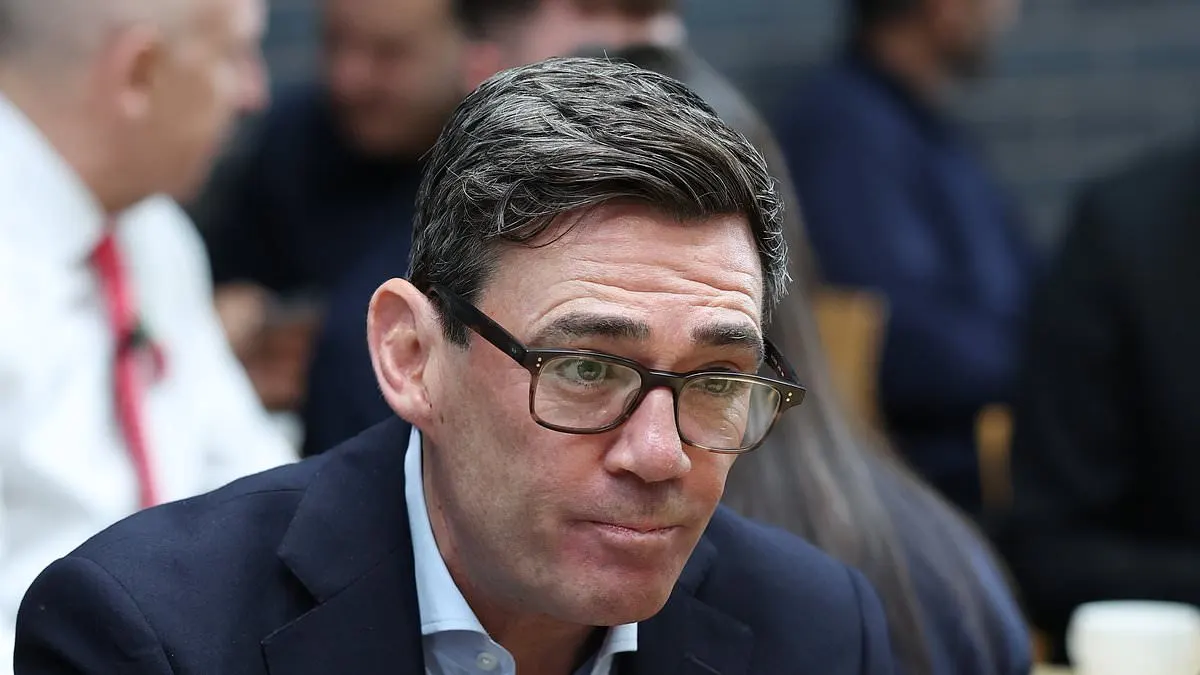
The article argues that the Government has no credible plan to reduce welfare spending, despite statements by Andy Burnham and John Healey. It criticises the Budget for offering no benefit cuts and says ministers ruled out further measures before the next election, amid concerns about household finances and public spending.
It cites estimates that households could be more than £1,000 worse off over two years, while a £100 energy charge reduction may be outweighed by average bill rises of nearly £300 in January. The Institute for Fiscal Studies warns of a possible £28 billion public finances gap by 2030. The article also links early prison releases to rising reoffending figures and criticises new workplace rules on potentially offensive comments.
In short
- The article says ministers lack a plan to reduce welfare spending.
- Households may be over £1,000 worse off in two years.
- It criticises early prison releases and new workplace rules.
Steelman: both sides, in good faith
The strongest fair case each way — we don't pick a winner.
The case for
A government facing pressure on household budgets and rising bills may reasonably avoid abrupt welfare cuts that would push more people into hardship or weaken support for those unable to work. If ministers have ruled out further measures before the election, they may argue that stability and clear commitments matter while they assess which reforms could deliver lasting savings without unfairly shifting costs onto vulnerable households.
The case against
With welfare spending and public finances under pressure, critics can argue that avoiding difficult choices leaves taxpayers with an unsustainable bill and risks passing larger problems to future governments. They may also contend that ministers should set out credible reforms now, with safeguards for those most in need, and explain how their plans address the projected fiscal gap and other concerns raised in the article.
Explained simply
Welfare spending is money the Government pays to support people, including those who are out of work, ill or disabled. Decisions about benefits affect household incomes and the public finances, so governments weigh the cost of support against the need to help people who cannot meet their living costs.
The Prime Minister leads the Government, while ministers such as Andy Burnham and John Healey have spoken about welfare policy. The Institute for Fiscal Studies is an independent research organisation that analyses public spending and taxes; its estimates are often used in debate about how much room the Government has to fund services or change taxes.
Energy costs and household finances are part of the wider debate because changes in bills and benefits can affect how much money people have left to spend. Welfare policy also sits alongside other questions about public spending, including prisons and workplace rules, though these are separate areas of government policy.