Why are IMAX cameras so notoriously loud?
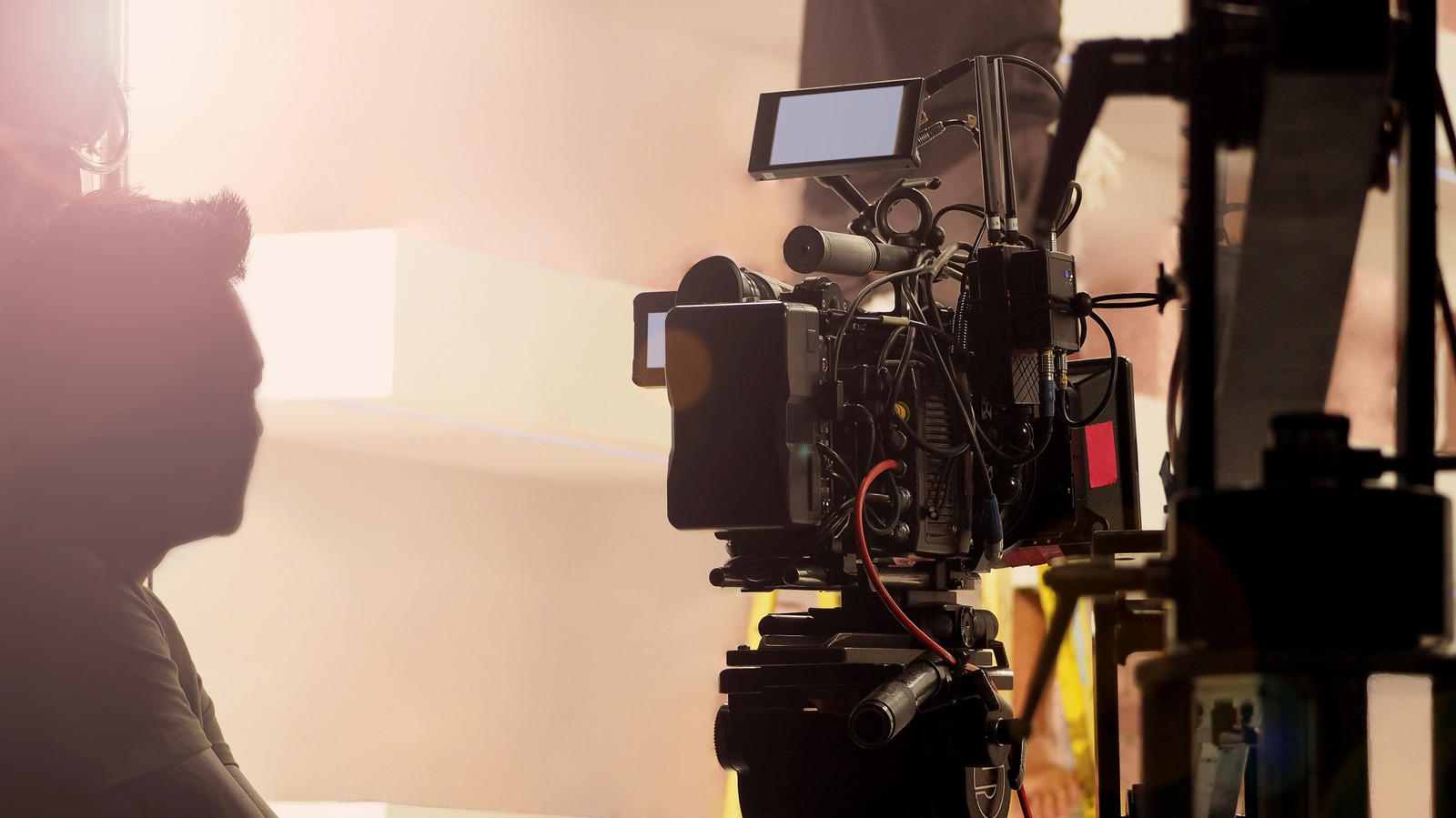
IMAX's traditional 15/70 film cameras produce outstanding image quality but are notoriously loud, which is one reason most modern cinema releases are shot digitally rather than on 70mm film. The noise stems from the sheer scale and mechanics of moving such a large volume of film at speed, combined with the vacuum system needed to keep each frame perfectly flat, making the cameras cumbersome, expensive and difficult to work with on set.
The 15/70 format takes its name from each 70mm print frame spanning 15 sprocket holes, producing an image roughly three times larger than standard 65mm film; at 24 frames per second this means 360 sprocket holes, or 336 feet of film, race through the camera every minute, giving each 1,000-foot magazine only about three minutes of recording time. Powering this creates a mechanical rattle, while a separate vacuum plate that sucks the film flat against the lens to prevent focus-ruining curls adds a high-pitched hum. This combination of noise issues is part of why productions like Mission Impossible: The Final Reckoning now use quieter IMAX-certified digital cameras instead of physical film.
- Traditional IMAX 15/70 film cameras are loud due to their scale and mechanics.
- Moving huge amounts of film fast, plus a suction-based flattening system, causes the noise.
- This is one reason digital IMAX-certified cameras are increasingly used instead.
New here? Start with this
IMAX's giant-screen cinema experience has traditionally relied on huge 70mm film cameras rather than the digital cameras used for most modern films. These cameras, known as 15/70 systems, produce exceptionally sharp, large-format images, but achieving that quality requires moving a lot of film through the camera very fast, which makes them mechanically noisy.
The format's name comes from each frame of film spanning 15 sprocket holes on 70mm-wide stock, roughly three times the size of a standard 65mm film frame. Running film through the camera at this scale at normal filming speed uses several hundred feet of film per minute, and a vacuum system is needed to hold each frame perfectly flat so the picture stays in focus. Together, the mechanics of pulling that much film through and the vacuum system create audible noise on set.
This matters because camera noise can interfere with sound recording and dialogue during filming, making these cameras difficult and costly to use in practice. It is one of the reasons many productions have moved towards digital alternatives that meet IMAX's picture-quality standards without the same mechanical drawbacks, a shift relevant to how blockbuster films, including major franchise releases, are shot today.