Trump defends White House renovation programme following preservation backlash
Developed over time first seen 2 months ago
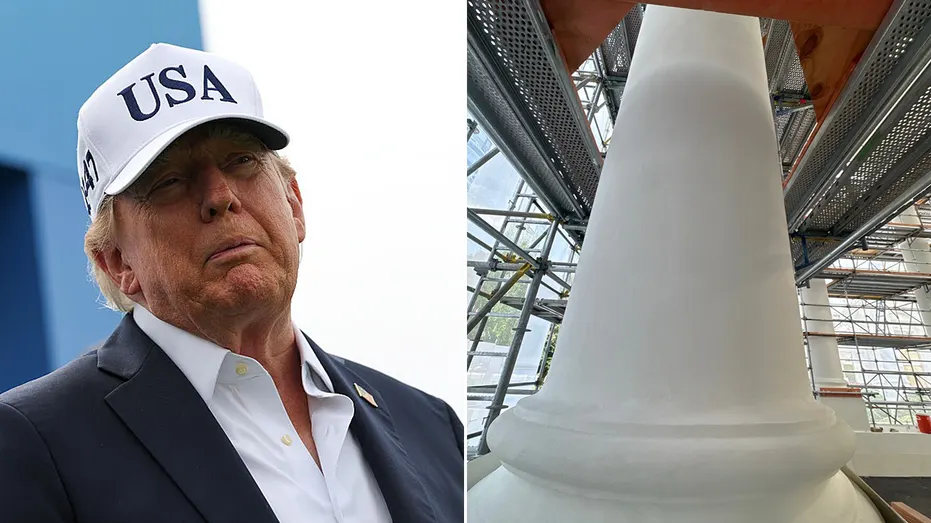
President Donald Trump has defended his extensive renovation programme at the White House, describing the building as having been a "dump" in "very bad condition" before the current works, in a Truth Social post on Sunday. He credited the Department of the Interior and contractors with doing a "fantastic job", claiming the property's exterior was "practically falling off" beforehand and that it is now in better shape than when built in 1792. The remarks cap a period of sometimes controversial changes to the presidential residence and other Washington landmarks, which have drawn criticism from preservationists and prompted legal challenges.
Trump's alterations have included fortifying the North Portico entrance, adding gold ornamentation to the Oval Office and Cabinet Room, paving over the historic Rose Garden, and demolishing the East Wing to make way for a planned 90,000-square-foot ballroom, a project that recently secured a further legal reprieve from the Supreme Court. The administration has also pursued wider changes across the capital, including renovating the Lincoln Memorial Reflecting Pool, proposing to repaint the Eisenhower Executive Office Building, overhauling the Kennedy Center, and backing plans for a 250-foot triumphal arch near Arlington National Cemetery alongside a National Garden of American Heroes.
- Sources
- 2
- Outlets
- 2
- Left · Centre · Right
- 0 · 0 · 2
In short
- Trump defended his White House renovations as long overdue and successful
- He called the building a former "dump" now restored beyond its 1792 state
- Works include a new ballroom, gold décor and other DC landmark makeovers
How this story developed
- 2 months ago A further account of the identical Truth Social post reaffirmed the East Wing demolition and ballroom project's status, noting its recent legal reprieve from the Supreme Court, alongside continuing plans for the Eisenhower Executive Office Building repaint, Kennedy Center overhaul and the Arlington-area triumphal arch and National Garden of American Heroes.
- 2 months ago Coverage of the same defence recast Trump's remarks as part of a recurring pattern of justification rather than a one-off statement, framing the "dump" and "falling off" language as the latest in a string of comments he has made to rebut preservationists' objections and ongoing legal fights over the works.
- 2 months ago President Trump used a Sunday Truth Social post to defend his sweeping White House renovation programme, calling the building a former "dump" that was "practically falling off" and crediting the Interior Department and contractors for restoring it to a state he says surpasses its 1792 original.
Steelman: both sides, in good faith
The strongest fair case each way — we don't pick a winner.
The case for
Supporters argue that the White House, like any building over two centuries old, requires ongoing structural investment, and that a president is entitled to oversee necessary repairs and modernisation just as many of his predecessors have done, from Truman's extensive rebuild to Obama-era renovations of the Oval Office. They contend that fortifying ageing infrastructure, updating tired interiors and adding functional event space such as a ballroom reflects practical stewardship rather than vanity, and that criticism of the aesthetic choices reflects taste rather than any real harm to the building's historic value. They also point out that the funding has reportedly been arranged through private donations rather than taxpayers, which they see as a responsible way to pay for upkeep of a national landmark.
The case against
Critics, including preservationists and some lawmakers, argue that the White House and its surrounding grounds are not simply a private residence to be remodelled at will but a shared national monument whose alterations warrant careful independent review, public consultation and adherence to established preservation processes, particularly for a structure with such historical significance. They worry that large-scale changes such as demolishing the East Wing or paving over the Rose Garden are difficult or impossible to reverse, and that bypassing or minimising customary oversight bodies sets a troubling precedent regardless of who occupies the office. They also see the scale and ornamentation of the changes, alongside similar interventions at other Washington landmarks, as reflecting personal taste imposed on public heritage rather than genuinely necessary restoration.
Explained simply
White House renovations have become one of the most visible changes President Donald Trump has made since returning to office. The programme includes fortifying an entrance, adding gold detailing to key rooms, paving over the Rose Garden, and demolishing the East Wing to build a large new ballroom, a project that has faced legal challenges. The White House is a historic building dating back to 1792, which is why alterations to it tend to attract close public scrutiny.
The renovations sit within a broader push by the administration to remodel notable sites around Washington, including work at the Kennedy Center, the Lincoln Memorial Reflecting Pool, and plans for a triumphal arch and a National Garden of American Heroes. Supporters, including contractors and the Department of the Interior, have framed the work as a much-needed restoration of an ageing building. Preservationists and other critics have raised concerns about the scale and nature of the changes to a historically significant property.
This background matters because it sets the context for Trump's recent public defence of the works, in which he described the White House's previous condition and credited those involved with the renovation.
Coverage · 2 sources
Bias meters
From 2 rated sources.
Read the full article at the source →
Originally published by Fox News as “Trump touts White House renovations, says building was in ‘very bad condition’”.