Entertainment news and discussion on TalkFuse.
Vindicated: after speaking to some pro Counter-Strike players I’m sure I was right when I said 360 Hz is the sweet spot for competitive FPS
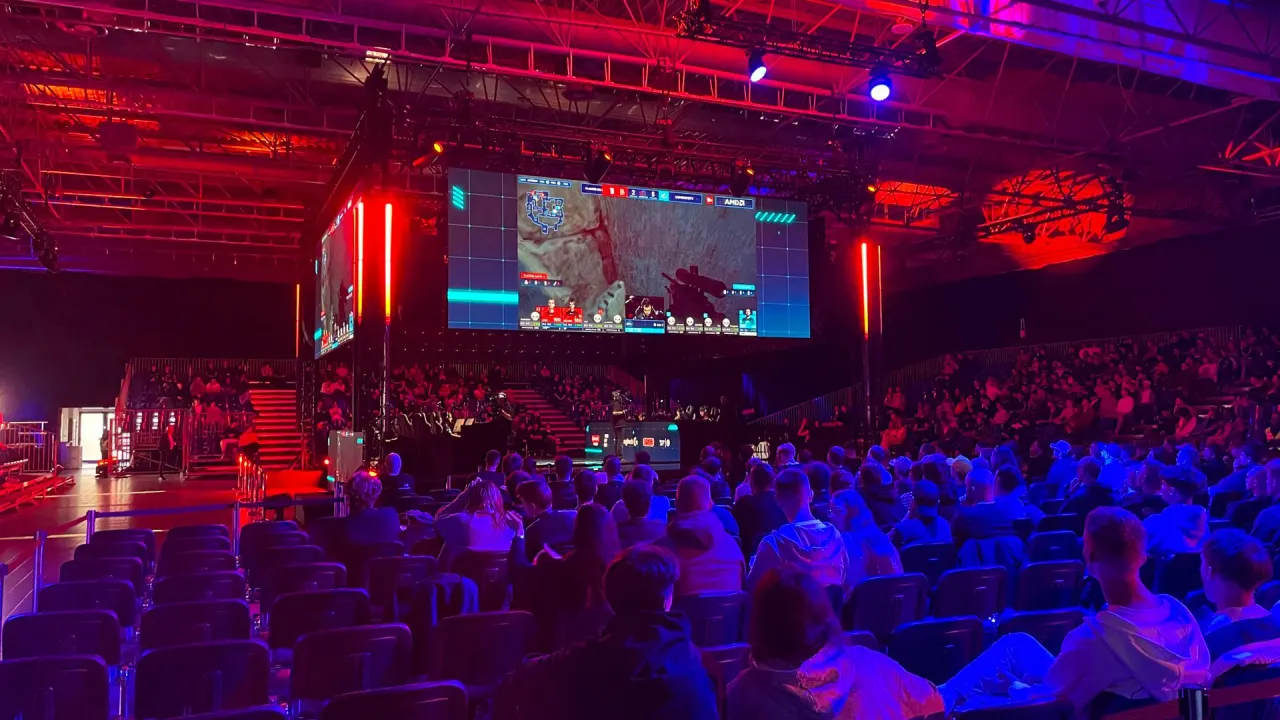
The article argues that 360 Hz remains the ideal refresh rate for competitive first-person shooters, particularly Counter-Strike, despite the availability of faster gaming monitors. The author says conversations with professional Counter-Strike players reinforced their earlier view that 360 Hz offers the best balance for serious competitive play.
The central context is the debate over whether monitors running at 500 Hz or more provide a meaningful advantage. The article’s conclusion is that, while higher refresh rates may offer technical benefits, professional players’ preferences suggest 360 Hz is still the practical sweet spot for competitive FPS gaming.
In short
- 360 Hz is presented as the competitive FPS sweet spot.
- Pro Counter-Strike players reportedly support that view.
- Faster monitors may offer limited practical advantages.
Steelman: both sides, in good faith
The strongest fair case each way — we don't pick a winner.
The case for
A 360 Hz monitor may be the practical sweet spot because it already delivers very fast updates, while monitors above 500 Hz can cost more and may bring diminishing returns that are hard to notice in play. If professional players perform well and prefer 360 Hz, that is relevant evidence that consistency, familiarity and other equipment or skill factors matter more than chasing the highest specification.
The case against
In highly competitive play, even small reductions in display latency or improvements in motion clarity could help players react and aim, so faster monitors may offer a real edge for those able to use them. Professional preferences are useful but not conclusive: they can reflect access, habit or personal comfort, and the benefit of higher refresh rates may vary by player, game and hardware setup.
Explained simply
A monitor’s refresh rate is how many times per second it updates the image, measured in hertz (Hz). In a first-person shooter such as Counter-Strike, a higher rate can make movement appear smoother and show changes on screen sooner, though it also depends on the computer producing enough frames.
Gaming monitors now offer refresh rates above 360 Hz, prompting debate about whether they help competitive players enough to justify using them. Professional Counter-Strike players are among those whose equipment choices inform that discussion, as small differences in how quickly players see and respond to events may matter in competition.
Refresh rate is only one part of a gaming setup, alongside factors such as response time, image clarity and player preference. The debate matters to players choosing equipment and to monitor makers deciding which features to prioritise.