Weird & Viral news and discussion on TalkFuse.
Researchers disprove alleged 1841 railway disruption during geomagnetic storm
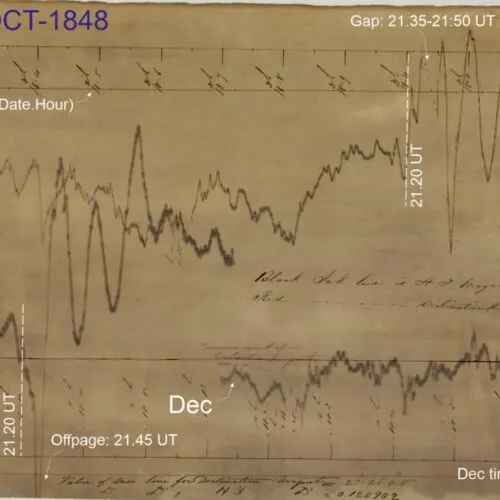
Scientists have concluded that a reported railway disruption in Exeter during an 1841 geomagnetic storm almost certainly did not happen that year. The correction matters because the episode had been described as the earliest known example of space weather affecting technology, while historical records show the railway line was not yet open.
A 1871 account in Nature said a storm delayed a 10.05 pm express by 16 minutes because a telegraph operator could not confirm whether the track was clear. Researchers found that the relevant Exeter–Plymouth track section opened in May 1846, and the railway was not approved until 1844, making the 1841 date impossible. They suspect it was a typo, though they could not find the original source; the article may have been written by electrical engineer Nathaniel John Holmes. The 1859 Carrington Event remains the most powerful geomagnetic storm in the scientific record, and studying past events may help prepare infrastructure for future storms.
In short
- Exeter’s alleged 1841 space weather railway delay was dated incorrectly.
- The track involved did not open until 1846.
- Historical storms offer clues for protecting modern technology.
Explained simply
A geomagnetic storm is a surge of energy from the Sun that disrupts electrical systems on Earth. These events threaten modern technology from power grids to satellites, which is why scientists study past storms to understand risks and prepare for future events.
In 1871, an article in Nature magazine described what appeared to be the earliest known example of space weather affecting technology: a reported geomagnetic storm in 1841 that allegedly disrupted an Exeter railway. According to the account, a telegraph operator could not confirm the track was clear when the storm occurred, resulting in a 16-minute delay to an express train.
The 1859 Carrington Event remains the strongest geomagnetic storm on record. Understanding the history of such storms helps scientists assess how future events might affect modern infrastructure and identify where vulnerabilities might exist.
Paranormal Research Science Space Technology Weird & Viral
Read the full article at the source →
Originally published by Ars Technica as “Scientists solve 1840s space weather mystery”.