Chicxulub crater’s hydrothermal system may have lasted eight million years
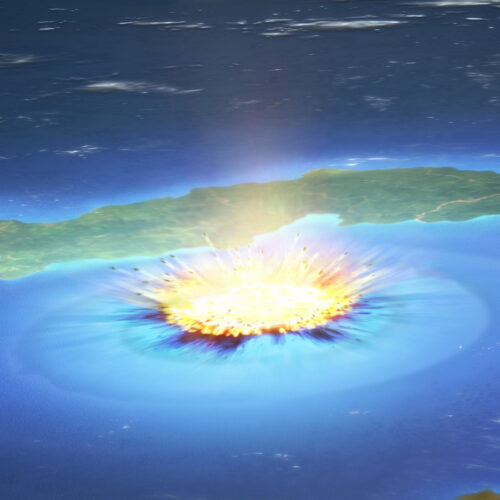
New analysis suggests that the hydrothermal system created by the Chicxulub asteroid impact may have lasted far longer than previously estimated, potentially giving life more time to develop or thrive. The finding matters because it points to impact craters as possible long-lived habitats, although it does not show that the Chicxulub system was actually inhabited.
Researchers led by geologist Annemarie Pickersgill examined rock samples drilled about 1 kilometre beneath the Yucatán Peninsula and used potassium-argon dating to estimate when the rocks cooled. Earlier estimates put the system’s lifetime at around 2 million years; the new analysis indicates at least 8 million years. Heat and nutrients from the system could have supported microorganisms, but evidence of life in impact-related hydrothermal systems remains scarce: microbes have been found in only eight of 70 underwater craters with such activity.
- Chicxulub’s hydrothermal system may have lasted at least 8 million years.
- Long-lasting heat and nutrients could have offered microbes more time to thrive.
- The study does not establish that the crater hosted life.
Read the full article at the source →
Originally published by Ars Technica as “Dinosaur-killing impact crater might have been teeming with life”.