Rapidly built rescue satellite fails to save ageing Swift observatory
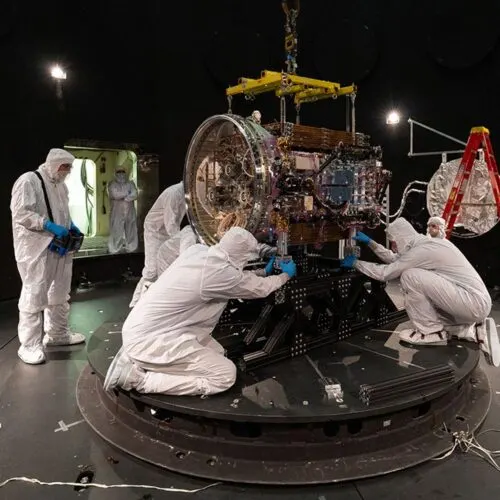
NASA's attempt to save its $500 million Neil Gehrels Swift Observatory from falling out of orbit has failed, but government and commercial space officials are celebrating the achievement nonetheless. Katalyst Space Technologies' Link rescue satellite successfully launched in July and completed initial checkouts before suffering a malfunction that sent it spinning out of control weeks later. The mission was formally abandoned, but the rapid development and deployment of a half-tonne satellite with advanced propulsion and robotic systems in just nine months has been recognised as a remarkable technological feat.
Swift, the 2004-era observatory, has far outlived its original design life and lacks its own propulsion system, making it dependent on external assistance to maintain its orbit. The increased solar activity in recent years has accelerated atmospheric drag at Swift's altitude, hastening its inevitable descent. NASA and Katalyst have identified crucial lessons for future rapid rescue missions, primarily that planning must begin far earlier, since federal acquisition rules forced NASA to limit rescue proposals to existing contractors rather than opening the selection process more broadly.
- NASA's failed $500 million satellite rescue proved rapid orbital recovery is achievable in nine months.
- Swift will still fall from orbit, but Katalyst's effort represents a major technological breakthrough.
- Earlier planning would allow more contractors to compete on future satellite rescue missions.
Read the full article at the source →
Originally published by Ars Technica as “NASA squeezed Treasury, vibe coded, and broke the mold in bid to save Swift”.