Sharon Stone exclaims if men got pregnant you could get ‘an abortion from a vending machine’
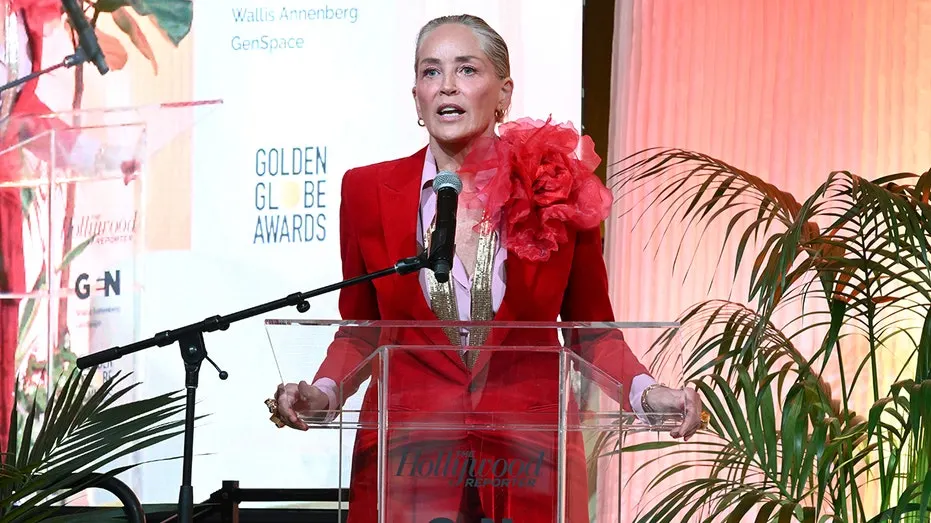
Actress Sharon Stone appeared on Michelle Obama's podcast to discuss her experience of having an abortion at age 18, which she had kept secret at the time. Stone made a satirical comment that "if men got pregnant, you could get an abortion from a vending machine," as a critique of what she characterised as inconsistent approaches to women's reproductive healthcare and access to contraception.
Stone described her youth and lack of knowledge about birth control, noting her parents initially thought her weight gain was the "freshman 15". Michelle Obama responded with humour, suggesting there would be a "birth Olympics" if men could become pregnant. The comments prompted responses from pro-life organisations, with the National Right to Life communications director arguing that Stone's remark trivialised abortion, and that the focus should be on providing care and compassion to both women and unborn children.
- Sharon Stone jokes about vending machine abortions on Michelle Obama's podcast
- Actress discussed her secret abortion at 18 and criticised reproductive healthcare access
- Pro-life groups responded with statements defending the value of unborn children
New here? Start with this
Sharon Stone is an acclaimed actress who rose to fame in Hollywood and has maintained a prominent career for decades. She has generally been private about her personal life throughout her public career.
Abortion access and women's reproductive healthcare remain deeply contentious issues in many countries. These debates involve strongly held disagreements about government regulation, ethical and religious beliefs, medical considerations, and women's autonomy in healthcare decisions.
Different groups view abortion through different frameworks and maintain opposing positions on these questions. When prominent public figures speak about such divisive topics, it typically generates responses and discussion from various perspectives.
Both sides, in good faith
The strongest fair case each way — we don't pick a winner.
The case for
Stone's comment uses satire to critique a genuine disparity: reproductive healthcare access for women varies dramatically by geography and political circumstance, whilst healthcare decisions treated as routine are typically more universally available. The underlying argument concerns whether abortion, as a legal medical procedure, should face the barriers it currently does. The satirical hyperbole suggests that if society prioritised reproductive choices through the lens it might apply to men's health decisions, it would ensure universal, convenient access to all reproductive options as a matter of equity and consistent healthcare provision.
The case against
This perspective holds that abortion involves moral weight beyond routine healthcare—specifically, questions about the value and status of developing human life—that makes trivialising rhetoric ethically problematic. The concern is that comedic reduction of abortion to something obtained from a vending machine obscures the genuine seriousness many believe the decision carries. Rather than framing this as an access question, this view emphasises that women making difficult choices deserve thoughtfulness and compassionate support, not dismissal through satire that might minimise the genuine human significance of their circumstances.