The hidden daytime dance revolution – and the man who captured it on camera
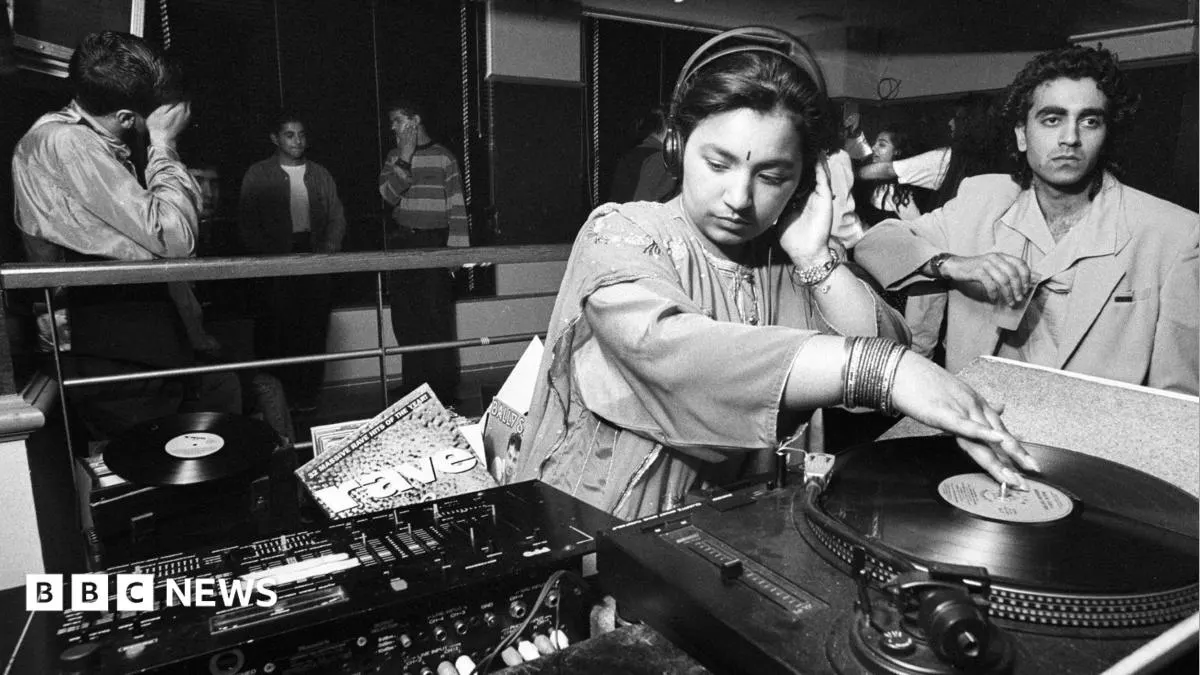
Photographer Tim Smith’s images of Bradford’s British Asian daytimers dance scene are being shown at Tate Britain, bringing attention to a cultural movement that has often been overlooked in accounts of 1990s Britain. The photographs capture young people celebrating a British Asian identity through music, dancing and a scene that challenged expectations.
Smith began documenting Bradford’s South Asian communities after moving to the city in the mid-1980s, and later photographed afternoon bhangra events held in otherwise quiet nightclubs. These gatherings blended Punjabi and South Asian traditions with contemporary British sounds; among those he photographed was pioneering DJ Rani Kaur, known as DJ Radical Sister. The images feature in *The 90s: Art and Fashion*, a show curated by Edward Enninful with more than 100 works by nearly 70 artists, photographers and designers.
- Tim Smith’s Bradford daytimers photographs reach Tate Britain.
- The images document a British Asian cultural movement.
- The exhibition features more than 100 works.
New here? Start with this
In the 1990s, a cultural movement emerged in Bradford where young British Asian people gathered in daytime club events to celebrate music, dance and identity. These gatherings blended Punjabi and South Asian musical traditions with contemporary British sounds, and took place in nightclubs during afternoon hours when the venues would otherwise be quiet.
Photographer Tim Smith moved to Bradford in the mid-1980s to document the city's South Asian communities, and later captured the daytime bhangra events in his photographs. His archive includes images of pioneering DJs such as Rani Kaur, known as DJ Radical Sister, and the young people who attended these gatherings.
For decades, this cultural movement went largely overlooked in historical accounts of 1990s Britain. Smith's photographic documentation preserves evidence of the scene and demonstrates the cultural creativity and expression of British Asian communities during this period.