Conservatives pledge to abolish Labour’s high-value property surcharge if elected
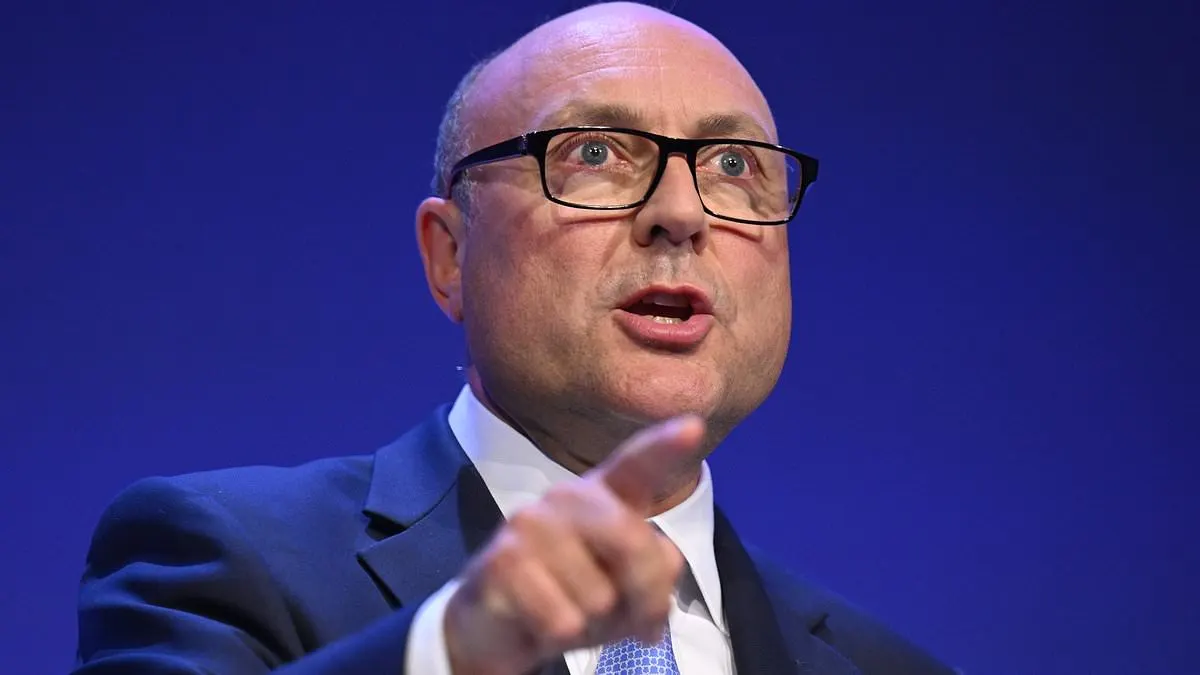
The Conservative Party has pledged to abolish Labour's mansion tax – officially the High Value Council Tax Surcharge – if they return to power, Shadow Chancellor Andrew Griffith announced at the Conservative conference in Birmingham. The tax, due to take effect in April 2028, will charge up to £7,500 annually on properties valued above £2 million; the Tories argue it is vindictive and unaffordable, particularly for retirees with homes that have appreciated significantly since purchase. Mr Griffith claimed the tax would affect ordinary commuters and homeowners across the country, not just the wealthy, and represents an unfair raid on family homes.
The mansion tax is projected to raise only £400 million per year according to government figures – less than 1 per cent of council tax revenue – making it inefficient, the Conservatives argue. The Tories propose funding its abolition by cracking down on unpaid student loans from foreign students. This pledge fits into Griffith's broader agenda to scrap at least one tax per Budget, emulating Margaret Thatcher's Chancellor Nigel Lawson, alongside other Conservative promises including scrapping the family farm tax and removing VAT from private school fees.
- Tories pledge to scrap Labour's mansion tax, calling it vindictive and unaffordable
- Tax raises only £400m annually despite hitting ordinary homeowners
- Conservatives plan to fund abolition by cracking down on unpaid foreign student loans
New here? Start with this
The mansion tax, officially known as the High Value Council Tax Surcharge, is a new tax being introduced by Labour's government. Starting in April 2028, it will charge homeowners up to £7,500 per year on properties worth more than £2 million. It is the first significant change to the council tax system, which has been in place across England since 1991.
Since its announcement, the tax has sparked considerable political controversy. Opponents argue it unfairly penalises ordinary homeowners and retirees whose property values have risen substantially over many years, rather than targeting the genuinely wealthy. The government expects it to raise only around £400 million annually, which critics point out is less than one per cent of total council tax revenue, making it an inefficient tax.
The mansion tax reflects a broader political disagreement about how to fund public services and the right way to tax property. Supporters say wealthier homeowners should contribute more; opponents believe it punishes people for building wealth through home ownership. The tax has become a major point of contention between Labour and the Conservative Party.
Both sides, in good faith
The strongest fair case each way — we don't pick a winner.
The case for
Properties valued above £2 million represent demonstrable wealth that can reasonably bear a proportionate annual charge to fund essential council services used by all citizens. The modest £400 million raised annually provides meaningful funding for services without affecting ordinary households, reflecting a progressive principle that those with greater wealth should contribute fairly to the public infrastructure society depends upon.
The case against
Many properties now valued above £2 million are ordinary family homes where owners purchased decades ago at modest prices and cannot easily afford a new £7,500 annual charge, particularly retirees on fixed incomes; this makes the tax function as an unfair retrospective burden rather than a tax on current wealth creation. The tax's minimal revenue – £400 million, less than 1 per cent of council tax revenue – makes it economically inefficient relative to its administrative burden and impact on homeowners, and recovering unpaid student loans represents a fairer approach to funding public services.
Business Elections Markets Politics World
Read the full article at the source →
Originally published by Daily Mail as “Tories vow to scrap Labour’s ‘vindictive’ mansion tax if they win the next general election”.