Right-wing Flávio Bolsonaro wins first round of Brazil election
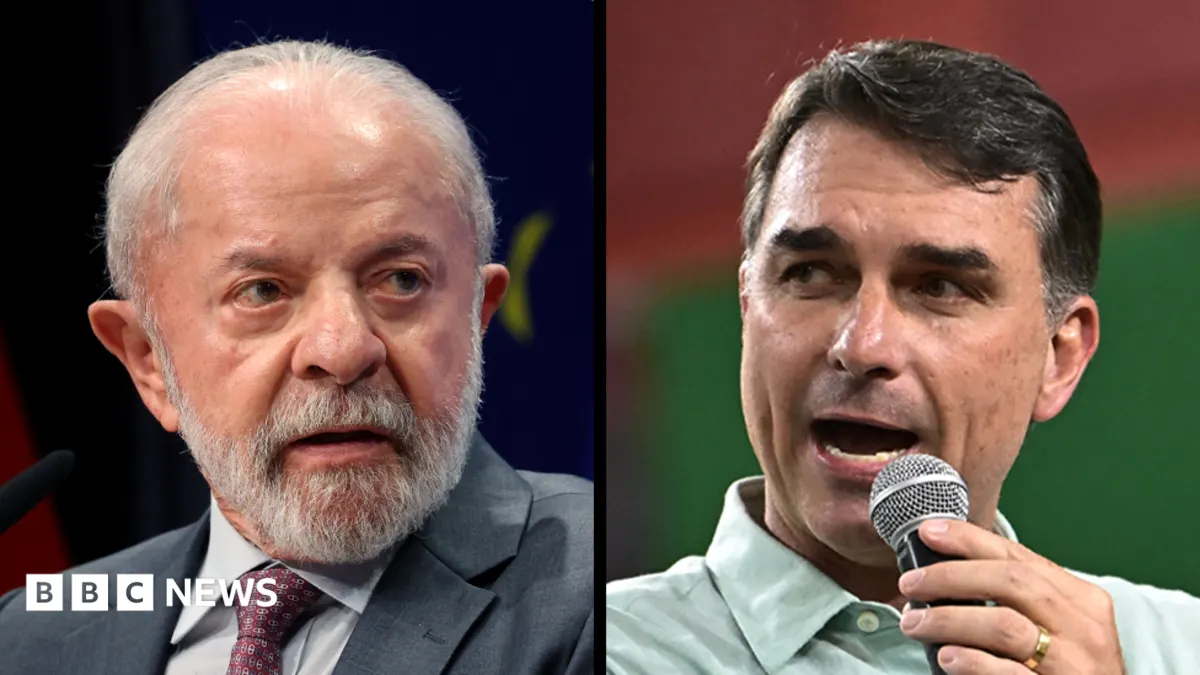
Flávio Bolsonaro won the first round of Brazil’s presidential election, narrowly finishing ahead of incumbent Luiz Inácio Lula da Silva but without the majority needed to avoid a run-off on 25 October. The result exceeded expectations and sets up a closely watched contest over whether Latin America’s largest country and economy will elect another right-wing president.
With almost all votes counted, Bolsonaro had 47% and Lula 45%; the two also represent sharply divided political bases and competing messages on sovereignty, crime, the economy and corruption. Bolsonaro’s Liberal Party led in elections for governors and legislators, while Flávio has promised amnesty for his father, former president Jair Bolsonaro, who is serving a 27-year sentence over a failed coup, and for supporters involved in the 2023 riots.
- Flávio Bolsonaro leads Lula with 47% to 45%.
- Brazil’s presidential race goes to a 25 October run-off.
- Bolsonaro’s party also made strong gains in congressional elections.
New here? Start with this
Brazil holds presidential elections using a two-round system. A candidate must secure more than 50 per cent of votes to win outright; if nobody achieves this in the first round, the top two contenders face each other in a run-off. The main candidates are Flávio Bolsonaro, from the right-wing Liberal Party, and Luiz Inácio Lula da Silva, the incumbent centre-left president.
Flávio Bolsonaro is the son of Jair Bolsonaro, the former president who served between 2018 and 2022. Jair Bolsonaro is imprisoned following conviction over a failed coup attempt in 2023. Given the family's central role in recent Brazilian politics, this election represents an important moment for the country's direction.
Brazil is Latin America's largest country and most powerful economy, giving its political direction wider regional importance. The contest between Bolsonaro and Lula represents a fundamental choice about Brazil's approach to governance, crime, corruption and economic matters. The winner will shape not only Brazil's future but also its role in Latin American affairs.
Both sides, in good faith
The strongest fair case each way — we don't pick a winner.
The case for
Supporters argue that Bolsonaro's electoral showing reflects public demand for stronger leadership on crime, economic management, and national sovereignty. They contend that amnesty represents a pragmatic path to national reconciliation, allowing Brazil to move beyond divisive prosecutions and unite around shared priorities for security and development.
The case against
Opponents warn that the amnesty promise fundamentally undermines democratic institutions and judicial independence, which must take precedence over any electoral mandate. They argue that accountability for the 2023 riots is essential to preserve constitutional order, and that rewarding such actions would establish a perilous precedent that threatens democracy itself.