Trump makes dramatic U-turn and promises not to use taxpayer money to fund fawning ‘Love Me’ TV ads
Developed over time first seen 1 day ago
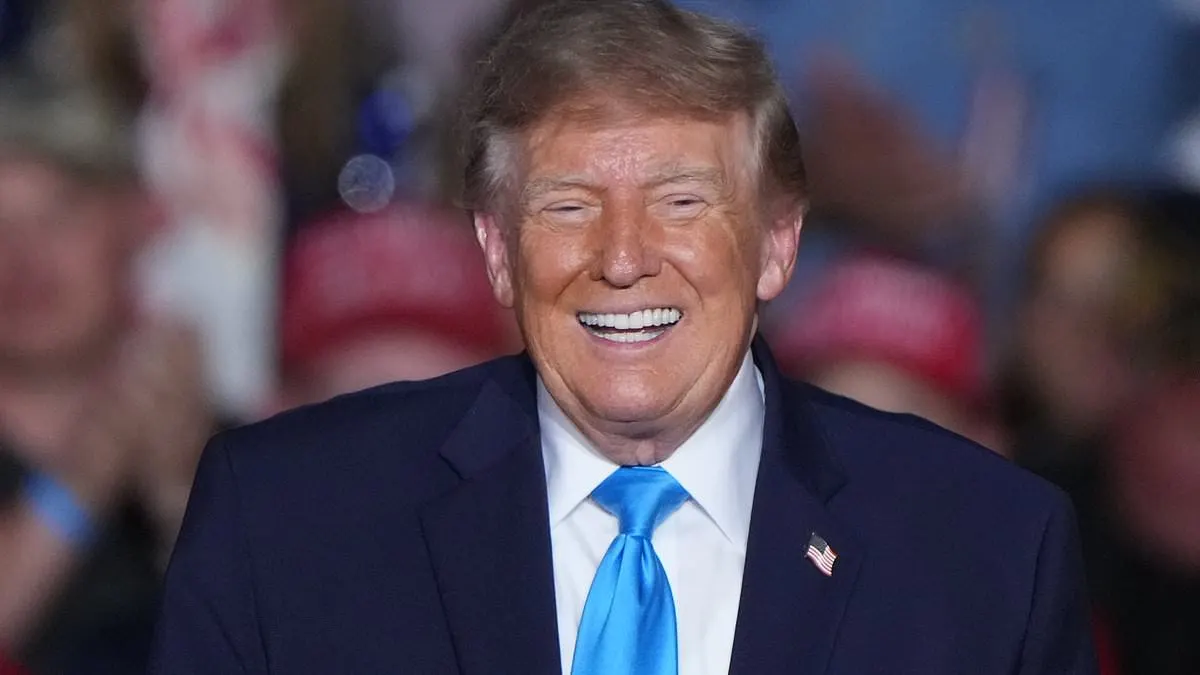
Donald Trump reversed course and agreed to personally fund television advertisements praising his presidency after facing criticism over the White House's $5.5 million spending of taxpayer funds on the spots. The commercials, funded by the Department of Homeland Security, featured patriotic imagery and videos of Trump's accomplishments, prompting pushback from lawmakers across the political spectrum who argued the ads violated federal laws prohibiting government use of funds for propaganda.
The Department of Homeland Security commissioned the ads as part of a $20 million contract, with at least four spots having aired since late September on Fox News and other networks. Critics from both parties pointed out that federal law restricts using taxpayer funds for "publicity or propaganda," with House Democrats likening the spots to "government propaganda one might expect in North Korea." After initially blaming the "radical left" for the controversy, Trump announced he would pay for future ads using money raised for MAGA, Inc.
- Trump pledged personal funding for ads after $5.5m taxpayer spending drew criticism
- Ads used Department of Homeland Security budget to promote Trump's presidency
- Politicians said ads violated law against government propaganda
New here? Start with this
The White House authorised approximately $5.5 million in taxpayer spending on television advertisements promoting Donald Trump's presidency and accomplishments. The Department of Homeland Security commissioned the ads, which aired on networks including Fox News beginning in late September and featured patriotic imagery alongside footage of Trump's record.
Federal law prohibits government agencies from using taxpayer funds for "publicity or propaganda," and the advertisements drew criticism from lawmakers in both major parties. Critics argued that using public money to fund promotional content for a political figure's record crossed ethical and legal boundaries, even if the content itself was factual.
The episode highlights a longstanding question in American politics: where the line falls between legitimate government communication and political promotion, and whose money should pay for each. These concerns cut across party lines and arise whenever administrations use government resources to present themselves in a positive light.
Both sides, in good faith
The strongest fair case each way — we don't pick a winner.
The case for
Government agencies have legitimate responsibilities to communicate about their operations, work, and policy accomplishments to the public, and such communication is a normal part of administrative governance. These advertisements presented factual information about Department of Homeland Security initiatives and achievements through professional advertising channels, and restricting all government advertising risks preventing citizens from learning about their government's work and priorities.
The case against
Federal law explicitly prohibits the use of taxpayer funds for 'publicity or propaganda,' and these advertisements violated that restriction by using Department of Homeland Security money to produce promotional material that focused primarily on praising the Trump presidency. The broad criticism from lawmakers in both parties demonstrates this was a genuine legal violation rather than partisan dispute, and maintaining restrictions on government propaganda spending is essential to preventing public resources from being used for personal political advancement.
Full account
Donald Trump has said he will use his own money and funds raised for MAGA Inc. to pay for television adverts celebrating the United States and featuring his presidency, after criticism of their use of taxpayer money. The change followed questions from both Republican and Democratic lawmakers about whether a government campaign was promoting the president. Trump described the adverts as patriotic and said paying for them with public funds was standard practice, but announced that he would cover their cost instead.
The adverts began airing in late September, including on Fox News and during coverage of NFL games. They combine images of American landmarks and the military with footage and remarks from Trump. In one, he promises that America will never become a communist country. Another uses scenes of Mount Rushmore and excerpts from a speech about the country’s 250th anniversary, ending with praise for Trump from UFC president Dana White. The spots carry a notice saying they were paid for by the US government. The song ‘Love Me’ by JMSN features in at least one advert; the musician has disputed its use.
The campaign is linked to a $20 million Department of Homeland Security contract for a national media campaign awarded to Maryland-based LMD Agency. Estimates of the amount already spent differ between the reports and the figures they cite: one puts the cost of at least four adverts at about $5.5 million, while the other says more than $10 million in adverts had aired. The White House subsequently said Trump’s announcement did not mean taxpayers would be reimbursed for spending already incurred. It remains unclear from the accounts how his proposed private funding will apply to adverts yet to run.
The White House maintains that the spots are public service announcements intended to encourage pride in the country and explain its direction, rather than political adverts. It has pointed to earlier administrations’ use of government-funded campaigns to promote policies. Critics, including some of Trump’s allies, question whether adverts so prominently featuring the president should be publicly funded, particularly so close to the 2026 midterm elections. The dispute therefore concerns both the content of the campaign and who ultimately pays for it.
Where outlets differ
Source 1 focuses on Trump’s decision to pay for the adverts and cites an estimate of about $5.5 million for at least four spots. Source 2 emphasises that the White House does not intend to reimburse taxpayers for earlier spending and cites an estimate of more than $10 million in adverts already aired. Both describe a $20 million contract; that figure should not be treated as the amount already spent.