EU negotiators seek curbs on China’s hybrid car exports this week
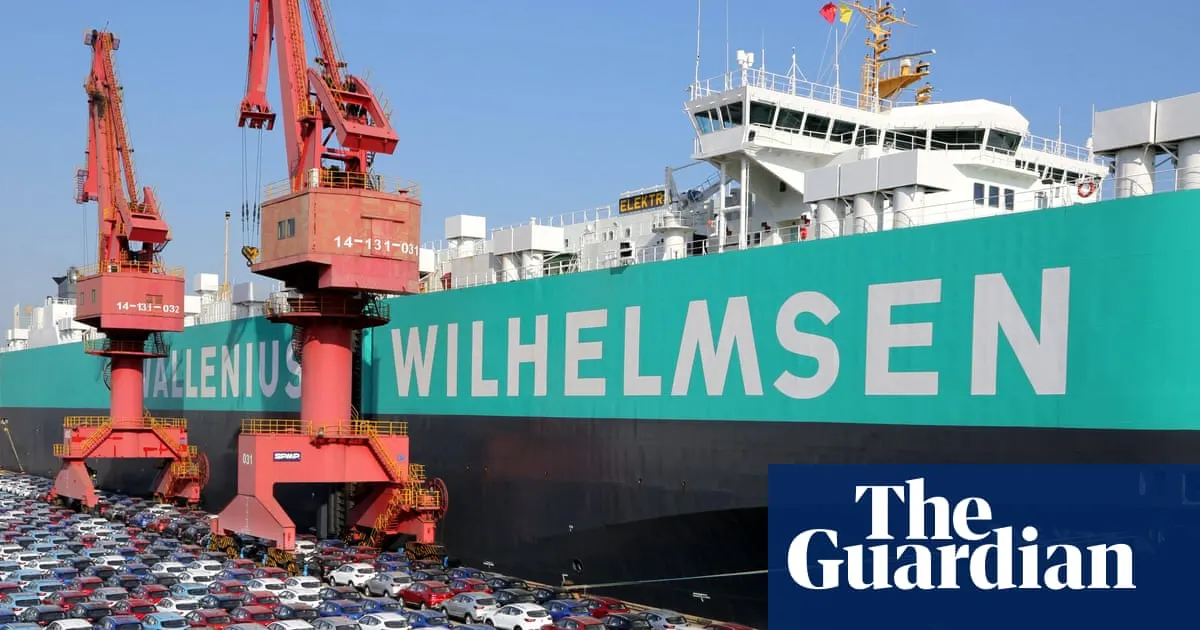
EU trade negotiators led by Maroš Šefčovič are heading to China this week for intensive talks aimed at tackling Beijing's record £1 billion-a-day trade surplus by curbing cheap hybrid electric vehicle exports to Europe. The two-day negotiation is expected to test whether China will make meaningful concessions before EU leaders meet next week, with both sides hoping for a "proof of concept" agreement that could be expanded to other sectors.
After the EU imposed tariffs on Chinese electric vehicles in October 2024, Chinese manufacturers pivoted to exporting untaxed hybrid cars, causing a surge in sales. Last month, Brussels asked China to voluntarily restrict these exports, warning that mandatory quotas could follow. The timing comes after Germany's Chancellor Friedrich Merz reversed his country's traditionally cautious China policy, siding with France to support a new trade-defence "kill switch" instrument, signalling the EU's hardening stance on protecting its industries against what European leaders describe as a "massive industrial shock".
- EU seeks Chinese agreement to restrict hybrid car exports amid record £1bn daily trade surplus
- Germany shifts stance, backs new rapid-response trade tool with France
- Talks scheduled this week, results needed before EU leaders' meeting
New here? Start with this
The European Union and China are in a trade dispute over car exports. China's car manufacturers sell far more to Europe than European firms sell to China, creating what the EU describes as a £1 billion-a-day trade surplus in China's favour. The EU is trying to address this imbalance by limiting cheap Chinese vehicles entering the European market.
In October 2024, the EU imposed tariffs on Chinese-made electric vehicles to make them more expensive. Chinese manufacturers responded by shifting their focus to hybrid cars—vehicles that run on both petrol engines and electric motors—which are not subject to the same tariffs. This pivot has led to a surge in cheap hybrid vehicles being exported to Europe, prompting EU officials to ask China to voluntarily restrict these sales.
The ongoing negotiations matter because they could set a precedent for how the EU and China manage trade disputes in other industries. European leaders, including Germany's Chancellor Friedrich Merz, have grown more concerned about what they see as unfair Chinese competition threatening European manufacturers. If the two sides can reach an agreement on hybrid cars, it could form a template for addressing broader trade tensions between the blocs.
Both sides, in good faith
The strongest fair case each way — we don't pick a winner.
The case for
The EU faces a genuine trade crisis from a £1 billion-daily deficit driven by Chinese manufacturers circumventing earlier tariffs by pivoting to hybrids—behaviour demonstrating structural dumping rather than legitimate competition. European manufacturers invested billions transitioning to electric vehicles only to face undercutting from cheaper Chinese hybrids, and workers across manufacturing regions deserve protection whilst Europe develops competitive strengths in this technology. Restricting exports is fair trade enforcement against what European leaders reasonably characterise as an industrial shock threatening employment and industrial capacity.
The case against
Trade restrictions harm European consumers through higher prices and reduced choice whilst undermining competition principles that drive prosperity. Europe should compete by innovating superior products and improving efficiency—the genuine measure of industrial strength—rather than limiting supply. Quotas risk triggering Chinese retaliation against other European sectors, damaging the broader economy, and signal unwillingness to engage constructively on trade rather than addressing the underlying competitiveness gap that Europe should bridge through investment and innovation.
Americas Asia Business Europe World
Read the full article at the source →
Originally published by The Guardian as “EU negotiators head to China hoping to curb cheap imports of hybrid electric cars”.