Poland’s Baltic gas terminal aims to bolster energy security and EU supply links
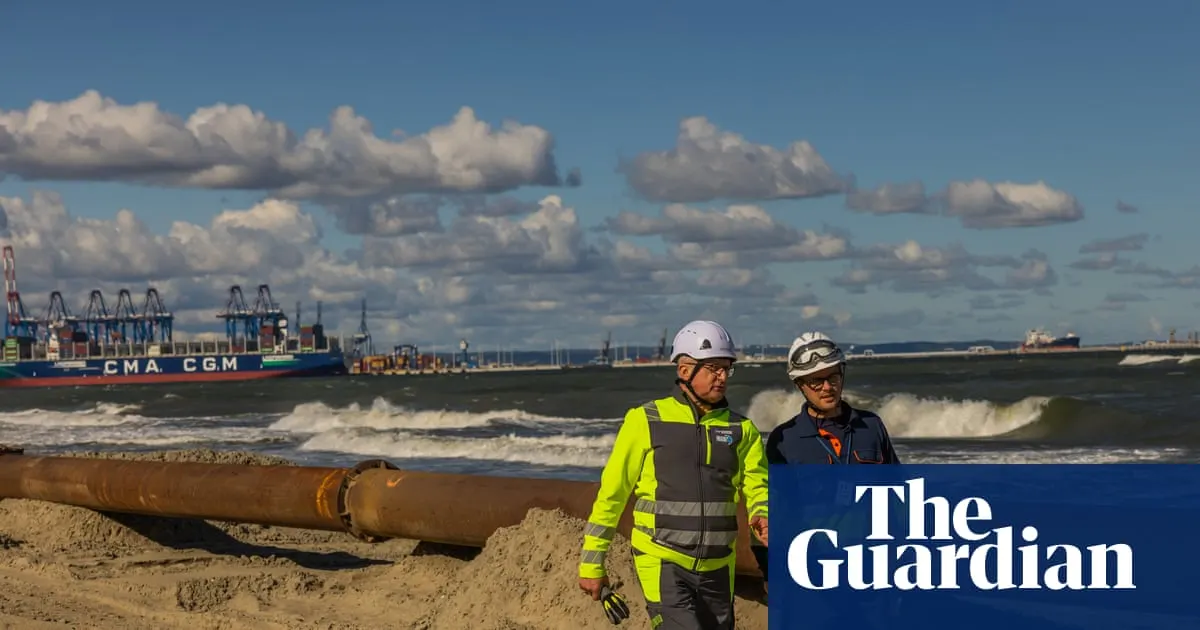
Poland is building its first offshore gas terminal near Gdańsk to strengthen energy security after ending Russian gas imports following the invasion of Ukraine. The project is intended to diversify supplies and could make Poland a gas hub for neighbouring countries, while deepening cooperation across the EU.
The floating storage and regasification unit, named “Solidarity”, is due to begin operating in early 2028, adding 6.1bn cubic metres of annual capacity to Poland’s existing 8.3bn. A second vessel is planned for 2030, which would raise capacity above 20bn cubic metres a year. Construction has faced storms, frozen seas and unexploded second world war munitions; the article also notes that Poland still faces wider energy challenges.
- Poland is building an offshore gas terminal near Gdańsk.
- The first vessel is expected to operate from early 2028.
- The project aims to supply Poland and neighbouring countries.
New here? Start with this
Poland is constructing its first offshore gas terminal in the Baltic Sea near Gdańsk. This project matters because Poland stopped importing Russian gas after Russia's invasion of Ukraine, and the country is now seeking alternative energy sources to ensure it has sufficient supplies.
The terminal is a floating facility called "Solidarity" due to start operating in early 2028. It will significantly increase the amount of gas Poland can store and process, and potentially allow the country to supply neighbouring nations as well, strengthening energy links across the European Union.
The construction project has faced substantial difficulties, including severe weather conditions, frozen seas and hazards from unexploded wartime ordnance. Poland still confronts broader energy security challenges even with this new infrastructure in place.
Art Business Culture Economy Europe World
Read the full article at the source →
Originally published by The Guardian as “Poland’s ‘solidarity’ push for EU energy resilience in face of Russian aggression”.