UK watchdog tightens weight loss drug ad rules after complaints during Bake Off
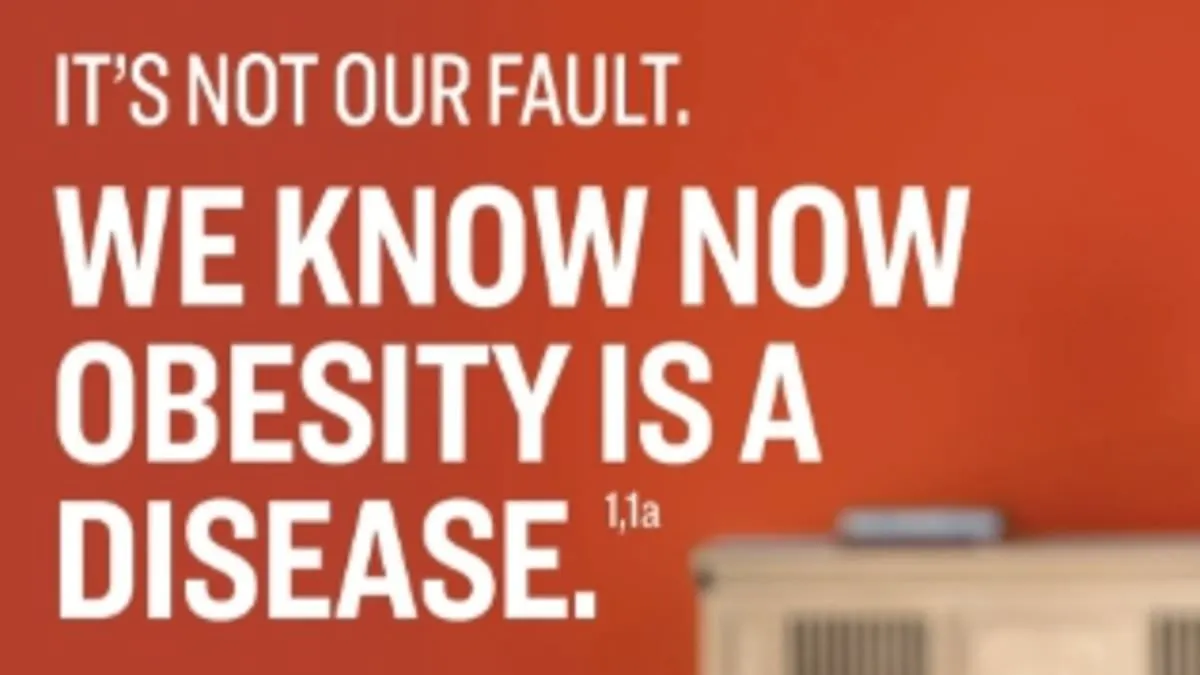
The UK's advertising watchdog has cracked down on online pharmacies and pharmaceutical companies promoting weight loss drugs, following multiple breaches of regulations that ban advertising prescription-only medicines directly to the public. The crackdown was triggered by an Eli Lilly campaign aired on Channel 4 during The Great British Bake Off that promoted obesity as a disease without naming specific drugs, prompting complaints that it indirectly marketed prescription medications. The Advertising Standards Authority argues that protecting the public from commercial pressure is essential for safe prescribing and preventing the medicalisation of everyday concerns.
The ASA issued rulings against five online pharmacies (Simple Online Pharmacy, Pharmacy Online, MedExpress, Juniper and the Care Pharmacy), finding they promoted weight loss treatments through social media and websites, sometimes before treatments were officially approved. New guidance prohibits adverts from showing injection pens or referencing reduced appetite, even when the drug is unnamed, as these visual cues and phrases allow consumers to infer a prescription-only medication is being promoted. The watchdog has tightened enforcement following the introduction of oral GLP-1 treatments, such as the tablet version of Wegovy approved in June.
- Advertising watchdog bans pharmacies from promoting weight loss drugs
- Eli Lilly's obesity campaign during Bake Off sparked regulatory action
- New guidance prohibits imagery and language suggesting weight loss medications
New here? Start with this
Prescription-only medicines in the UK cannot be advertised directly to the public, a rule designed to ensure that only doctors—not commercial marketing—determine who takes powerful medications. Weight loss drugs have become increasingly common, particularly with the approval of newer tablet versions, and companies promoting them must follow strict advertising rules. The Advertising Standards Authority is the UK's independent watchdog that enforces these regulations.
The issue has gained attention recently after a campaign by pharmaceutical company Eli Lilly aired during The Great British Bake Off discussing obesity without naming specific drugs. The campaign prompted complaints from viewers who felt it was indirectly marketing prescription weight loss treatments through imagery and language associated with these drugs. The complaints highlighted a grey area in advertising rules: how to distinguish between legitimate health discussion and covert promotion of prescription medicines.
The restrictions on advertising prescription medicines exist because such drugs carry health risks and should only be used under medical supervision—decisions about weight loss medications should be made between a patient and their doctor, not influenced by advertising. The growth in popularity of weight loss treatments, particularly newer tablet versions, has increased their visibility and accessibility, including through online pharmacies. This has prompted regulators to examine whether existing advertising rules are sufficient to protect the public from commercial marketing of prescription drugs.
Both sides, in good faith
The strongest fair case each way — we don't pick a winner.
The case for
The ASA's tightening correctly protects public health by preserving doctors' gatekeeping role for prescription medicines, which require clinical judgment for safe use. Direct-to-consumer advertising creates demand based on marketing rather than medical need; research demonstrates this inappropriately influences prescribing rates regardless of clinical suitability. The regulations shield vulnerable populations from sophisticated commercial pressure and prevent unnecessary medicalisation, ensuring GLP-1 drugs serve genuinely needy patients rather than become lifestyle products.
The case against
Restricting information about available treatments assumes adults cannot make informed decisions and denies them knowledge of options that genuinely improve health for many people. The regulations blur the distinction between commercial promotion and legitimate health information, preventing informed consent whilst potentially driving people towards unregulated sources. Adults deserve accurate information about available medical options; overly cautious rules reflect paternalism rather than evidence-based protection.
Business Elections Health Markets Medicine Politics World
Read the full article at the source →
Originally published by Daily Mail as “Weight loss drug ad crackdown after controversial Mounjaro maker’s campaign airs during Bake Off”.