Book and exhibition trace photography’s place in childhood over time
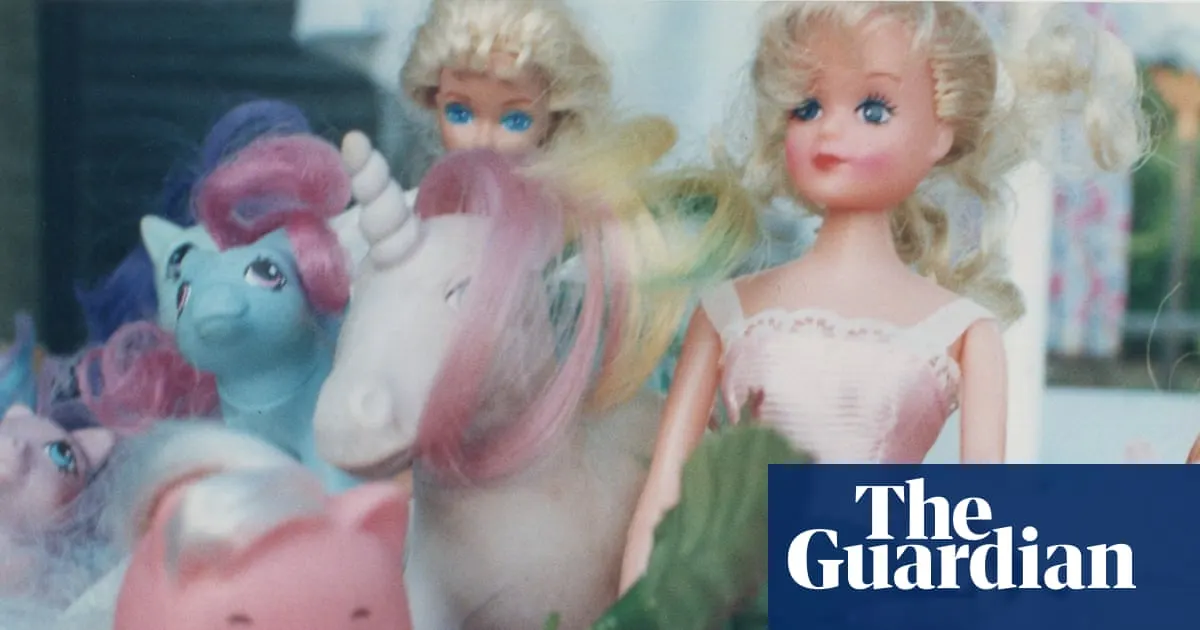
A new book, *Whippersnappers: How Children Became Photographers*, and the exhibition *Snap Happy!* explore how children’s photography has developed and what it can reveal about identity and childhood. Researcher Annebella Pollen argues that taking pictures can give children a way to communicate, exercise independence and make sense of their surroundings.
As cameras became cheaper and easier to use in the 20th century, photography shifted from an expensive hobby to a popular childhood pastime. Schools and groups such as the Scouts offered photography activities, while children repeatedly chose familiar subjects: friends, family and pets. Pollen’s research draws on school archives, marketing and children’s photography publications, as well as social projects dating from the 1930s onwards.
- Children’s photography can shape identity and offer a way to communicate.
- Cameras became an accessible childhood hobby during the 20th century.
- Friends, family and pets have long been favourite subjects.
New here? Start with this
For much of photography’s early history, cameras and film were costly, so taking pictures was less accessible to children. In the 20th century, cheaper and easier-to-use cameras helped make photography a common pastime, including through activities at schools and groups such as the Scouts.
Children often photographed friends, family and pets. Researcher Annebella Pollen has studied photographs and materials from school archives, advertising and children’s publications, as well as social projects dating from the 1930s onwards.
Looking at these images over time can show how children understood their everyday lives and how ideas about childhood changed. Taking photographs could also give children a way to communicate, act independently and explore the world around them.
Read the full article at the source →
Originally published by The Guardian as “‘My first photographs coincided with me falling in love’: why children have always adored taking pictures”.