F1 team Williams sues garage owner for £1million over historic Grand Prix car which vanished after they loaned it out to him
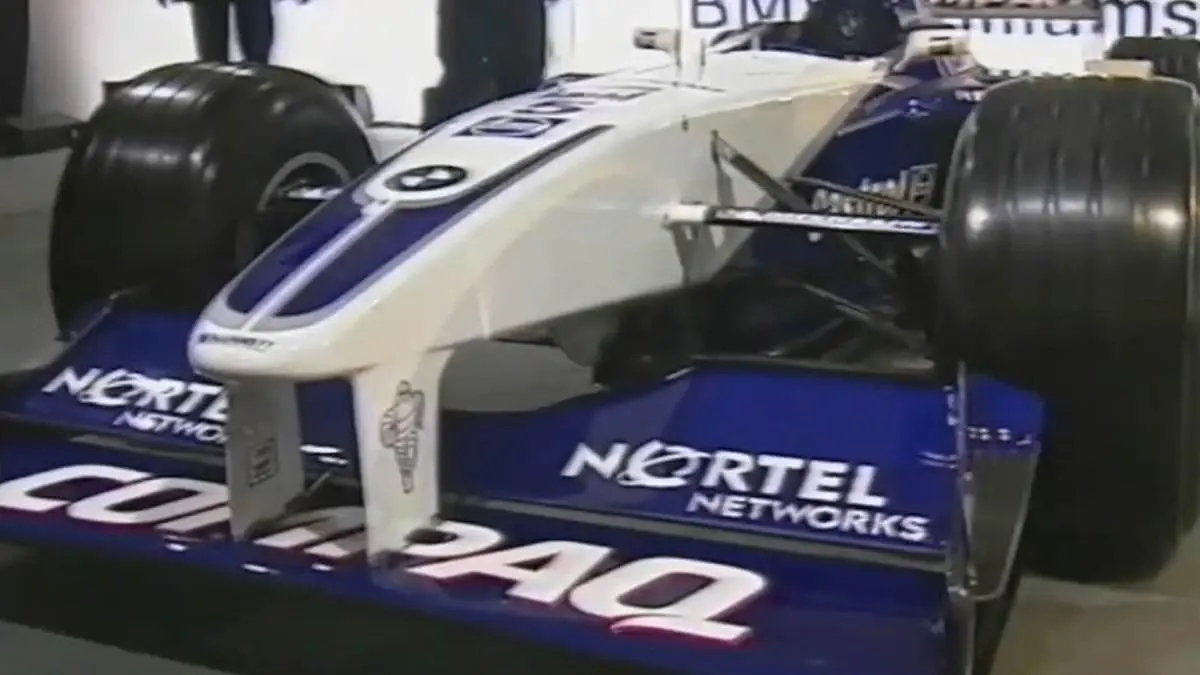
Williams is suing former garage owner Peter Thorpe for £1 million after a historic Formula One car loaned to his company could not be found when the team sought its return. The case matters because Williams says the FW23 is part of its heritage collection, which it seeks to preserve and control.
The £750,000 car, one of nine made and driven by Ralf Schumacher and Juan Pablo Montoya in 2001, was lent to Autotech Performance in 2015 for display at its Telford garage. Williams says it ended the loan in October 2021 but received no reply; Autotech later went into liquidation and was dissolved. Thorpe denies claiming ownership or knowing where the car is, citing memory problems after a stroke, and disputes its stated value, saying it was a show car without an engine.
- Williams is seeking £1 million over a missing historic F1 car.
- The FW23 was lent to a Telford garage in 2015.
- Peter Thorpe denies knowing where it is or claiming ownership.
New here? Start with this
Formula One team Williams has taken legal action to recover a historic racing car that disappeared whilst on loan. The team lent out a 2001 Formula One racing vehicle to a garage owner in 2015 but was unable to retrieve it when they requested its return in 2021, with no word of its whereabouts since.
The car is one of nine identical models that were driven by Williams drivers Ralf Schumacher and Juan Pablo Montoya during the 2001 season. Williams values it at £750,000 and says it was loaned to Autotech Performance, a garage in Telford, for display purposes. The garage's owner, Peter Thorpe, later claimed he could not remember where the car was and disputed its value, whilst his company eventually went out of business and was dissolved.
For Williams, the case concerns its ability to safeguard its heritage collection of significant racing vehicles. Historic Formula One cars are valuable both financially and culturally as representatives of the sport's past, and teams typically maintain control over their collections. The dispute centres on what should happen to valuable items when they are loaned out without formal recovery agreements.
Both sides, in good faith
The strongest fair case each way — we don't pick a winner.
The case for
Williams is seeking compensation for valuable historic property loaned to Thorpe's business that was not returned when requested. The team placed an asset valued at £750,000 in the garage's custody with the expectation of return; when they sought recovery years later, they received no response and discovered the business had dissolved. Thorpe does not dispute that the loan existed or that he held the car, but denies knowing its current whereabouts. Williams seeks financial redress for the loss of a valuable heritage asset.
The case against
Thorpe received the vehicle in good faith for exhibition purposes without claiming ownership. He suffered a serious stroke that impaired his memory and ability to manage business affairs, and maintains he does not know the car's current whereabouts. The stated valuation is disputed; Thorpe contends the vehicle was merely a display piece without an engine, substantially reducing its value from Williams's claim. Given the genuine uncertainty about what happened to the vehicle and Thorpe's documented health challenges, a £1 million claim may be disproportionate to any quantifiable loss.