Trump weighs huge strike on Iran to show voters bold display of US power before crucial midterm elections, report says
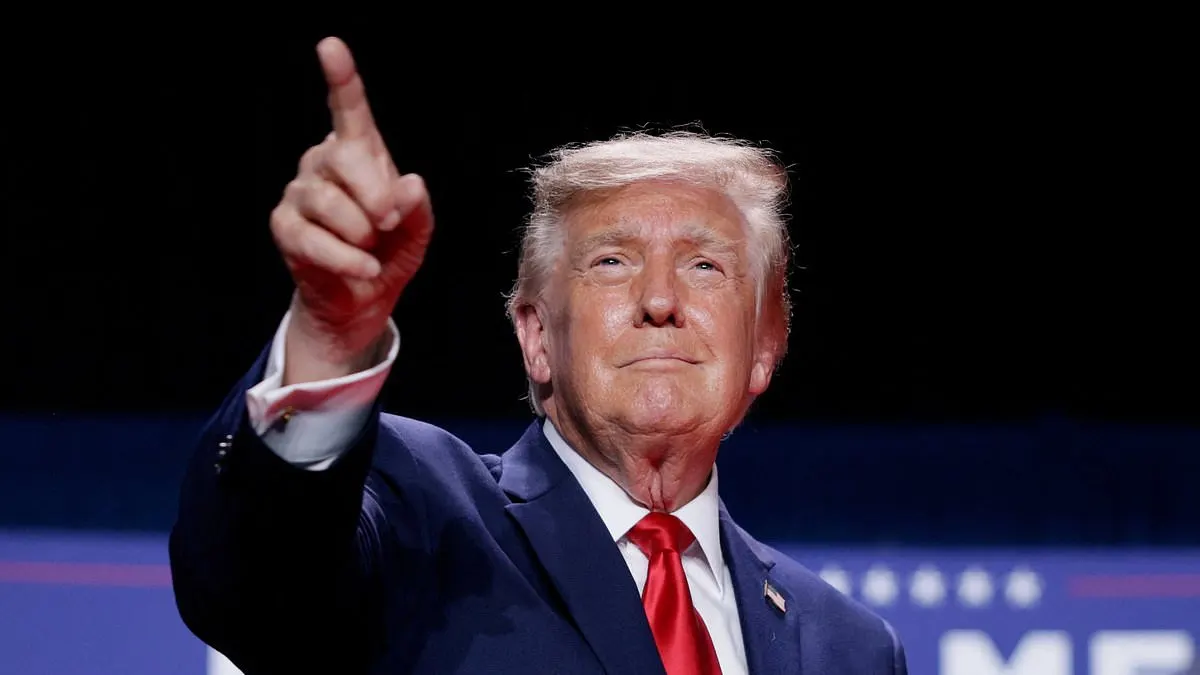
Donald Trump is weighing a major strike on Iran before the 3 November midterm elections, according to White House officials cited in a report. The move is being considered as a show of US strength and could help him demonstrate progress towards ending the conflict and lowering fuel prices, amid falling approval ratings and concerns that Republicans may lose ground in Congress.
The strike’s size and targets are still being developed by US Central Command, and no decision has been made. A Reuters/Ipsos poll cited in the article put Trump’s approval at 32 per cent, with 44 per cent favouring Democratic candidates and 37 per cent Republicans; diesel reached about $6.50 a gallon last month, while petrol rose above $4. The article says officials acknowledge strikes alone may not secure negotiations or lower fuel costs, as the conflict and tensions around the Strait of Hormuz continue.
- Trump is considering strikes on Iran before the US midterms.
- No decision has been made on the strikes’ scale or targets.
- Fuel prices and weak polling are weighing on Republicans.
New here? Start with this
The United States and Iran have been hostile for decades, with tensions centring on Iran's regional influence and its location near the Strait of Hormuz, the world's most important oil shipping route. These tensions affect global oil supplies and fuel prices, which are currently high and a significant concern for American voters.
The coming midterm elections in early November determine who sits in Congress, and historically the party in power tends to lose ground when the economy is struggling. Current approval ratings for the administration have declined, and fuel prices have become a major election issue, with petrol exceeding $4 per gallon and diesel approaching $6.50.
Some administration officials believe that demonstrating American military strength could boost public confidence and potentially pressure Iran into negotiations that might ease oil market tensions. However, officials acknowledge that military action alone is unlikely to resolve the underlying conflict or guarantee lower fuel prices.
Both sides, in good faith
The strongest fair case each way — we don't pick a winner.
The case for
Supporters argue that military strength can deter Iranian aggression, create leverage for diplomatic breakthroughs, and stabilise oil markets—outcomes that serve genuine security and economic interests. They contend it is appropriate for elected leaders to demonstrate security competence before elections, provided decisions rest on sound strategy and proper military assessment rather than political expediency.
The case against
Critics argue that strikes timed to elections risk appearing politically motivated rather than strategically sound, potentially damaging US credibility and inviting escalation that worsens regional instability and oil prices. They contend that military action alone has historically failed to achieve lasting diplomatic gains, and that patient negotiation, though less immediately politically appealing, better serves long-term security interests.