Stick a puffin in your pocket: Bank of England reveals animals to replace Churchill and other historical figures on banknotes… but why has the kingfisher missed out?
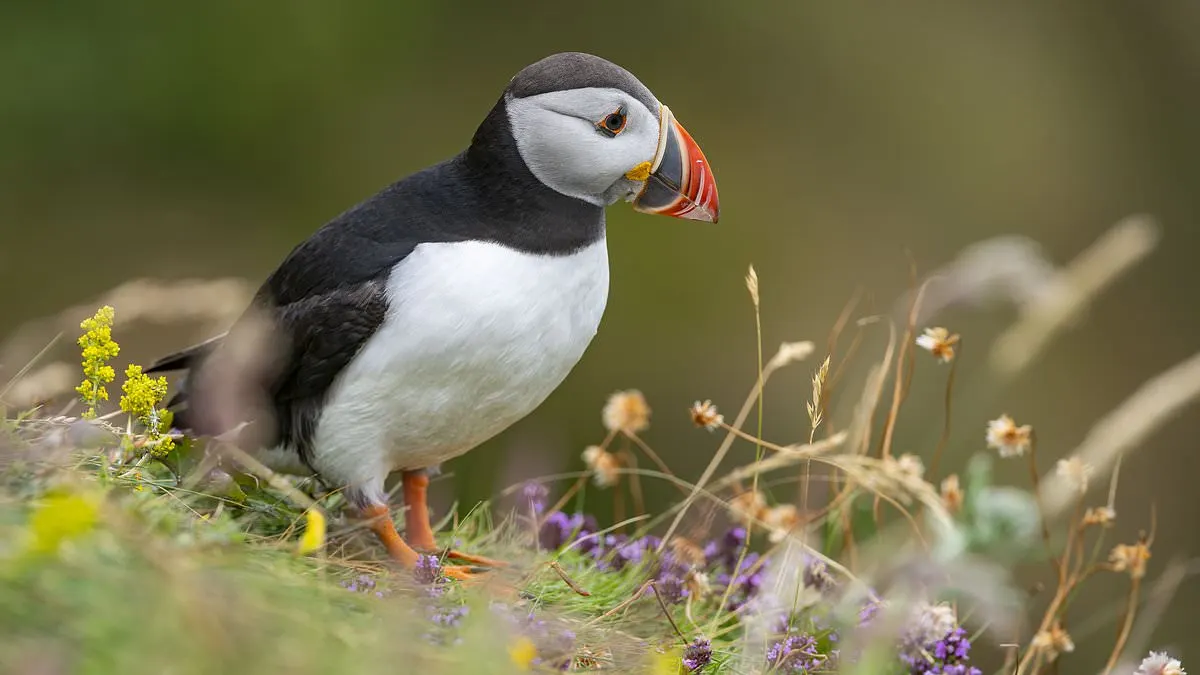
The Bank of England has chosen the buff-tailed bumblebee, European hedgehog, barn owl and Atlantic puffin for its next banknote series, replacing the historical figures on current notes. The change ends a tradition dating to 1970 and has drawn criticism from people who say removing figures such as Winston Churchill erases history.
The public consultation received 478,531 responses, with the bumblebee topping the vote at 360,399 selections. The puffin ranked sixth but was chosen to add a marine animal and celebrate the British coastline, while the red fox and common kingfisher missed out. The animals will appear across the £5, £10, £20 and £50 notes, though their allocation is undecided; designs are expected to take several years, and the monarch’s portrait will remain.
- Four wildlife species will feature on new Bank of England notes.
- The bumblebee topped the public vote with 360,399 selections.
- The puffin was chosen despite ranking sixth.
New here? Start with this
The Bank of England is replacing the historical figures currently featured on banknotes with wildlife, ending a tradition that has existed since 1970. Four animals have been selected: the buff-tailed bumblebee, European hedgehog, barn owl and Atlantic puffin.
For more than fifty years, British banknotes have honoured notable historical figures such as Winston Churchill and Jane Austen. Removing these figures and replacing them with animals has drawn both criticism and support, with some concerned that this erases an important part of Britain's history, whilst others welcome celebrating the country's natural heritage instead.
The selection followed a public consultation that received nearly half a million responses. The Bank chose animals to represent a range of different British habitats and wildlife types. The monarch's portrait will remain on each note, and the new designs are expected to take several years to complete.
Both sides, in good faith
The strongest fair case each way — we don't pick a winner.
The case for
Supporters of the new design argue this celebrates Britain's natural heritage and environmental identity at a time of ecological urgency. The public consultation demonstrated genuine enthusiasm, with nearly half a million responses, and they contend that moving beyond individual historical figures—some with complex or contentious legacies—allows for more inclusive national symbolism. History is preserved in education and monuments; currency can evolve to reflect contemporary values without erasing the past.
The case against
Those opposed maintain that currency holds special significance as a tangible representation of national identity and historical continuity. They argue that historical figures like Churchill embody achievements and values central to Britain's character, and that removing them risks diminishing their cultural prominence in everyday circulation. Whilst animals may appeal in a public vote, critics contend they lack the substantive meaning and historical weight that established figures possess, representing an unnecessary break with tradition.