Teenage Engineering will stop making synths to focus on… whatever it feels like
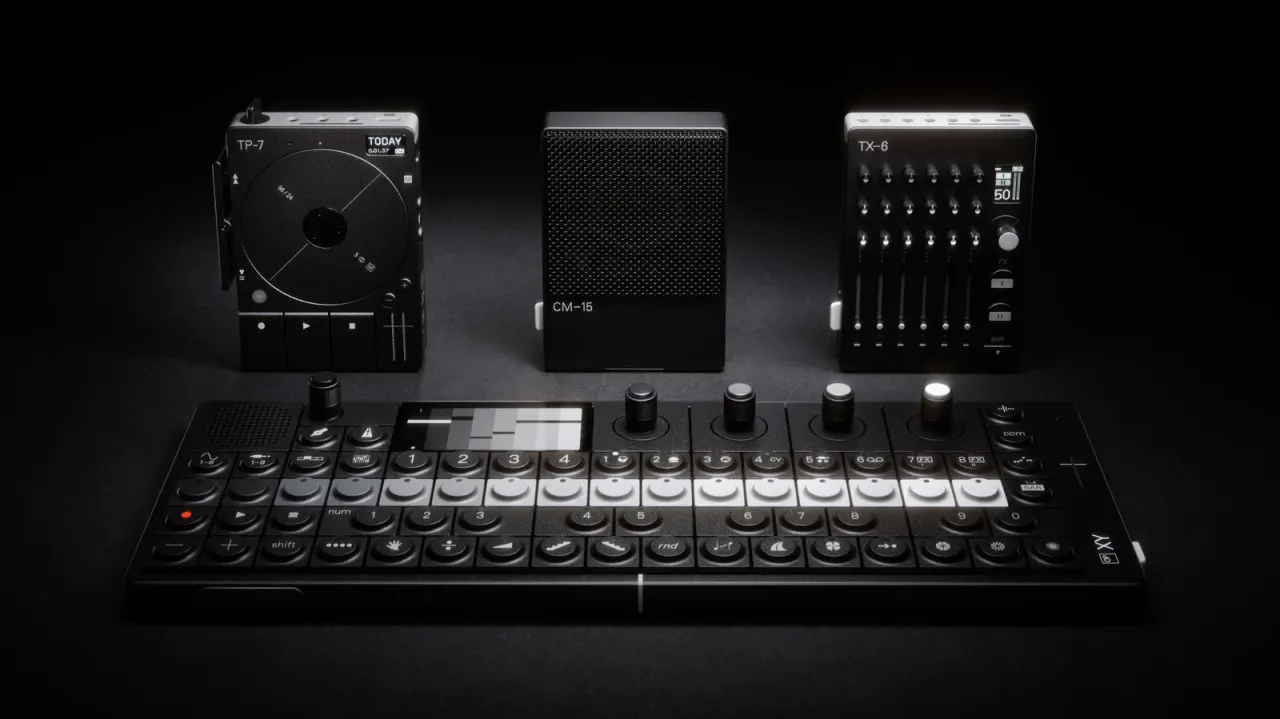
Teenage Engineering, the synthesiser company behind iconic devices like the OP-1, is abandoning synth production to pursue an undefined direction. CEO Jesper Kouthoofd announced the shift following an internal reorganisation last autumn, stating that "the products aren't the business" and the company can be "so much more" than manufacturing. The move surprised staff and consumers, with Kouthoofd offering limited clarity on what the firm will actually do next.
The company has already built considerable design credentials beyond its own products, having shaped devices including the Playdate console, Rabbit R1, and various Nothing technologies. It has also produced notable one-off projects and collaborations with IKEA. Kouthoofd hinted at unspecified "important projects" that could reshape online life, cautioning that some may not launch for five to ten years, leaving the timeline and exact direction of the transformation entirely uncertain.
- Teenage Engineering is stopping synth production to pursue other ventures
- CEO says products are not the core business anymore
- Timeline for new direction unclear; some projects may take five to ten years
New here? Start with this
Teenage Engineering is a Swedish design company that became renowned for creating synthesisers—electronic instruments used to generate and manipulate sound. Their flagship product, the OP-1, is considered one of the most iconic portable synthesisers and has a devoted following among musicians and producers worldwide. The company's designs are prized for combining technical depth with considered, minimalist aesthetics.
Beyond synthesisers, Teenage Engineering has quietly influenced the design of technology you might not immediately associate with it. The firm contributed to the creation of the Playdate handheld gaming device, the Rabbit R1 AI gadget, and collaborated with furniture maker IKEA on various projects. This track record suggests the company's leaders view themselves as design strategists rather than specialists confined to a single product category.
The company has now announced it will stop making synthesisers and pursue an undefined new direction. Leadership has provided little detail about these future projects, suggesting they will take years to develop. For customers and observers of the company, this represents a significant and uncertain change of strategic direction.
Both sides, in good faith
The strongest fair case each way — we don't pick a winner.
The case for
Teenage Engineering has demonstrated exceptional design capabilities across diverse product categories, from Playdate to Rabbit R1 to Nothing technologies. The CEO's argument that 'the products aren't the business' reflects a strategic evolution towards becoming an innovation-focused design house rather than a conventional manufacturer. If leadership believes their talents are better deployed on transformative projects than on incremental synthesiser iterations, this represents a legitimate choice for a private company seeking greater impact.
The case against
Teenage Engineering's identity and competitive advantage rest on synthesiser design, particularly the iconic OP-1, and abandoning this profitable core product line without explaining what comes next is a betrayal of customer loyalty and strategically incoherent. The vague promises about undefined 'important projects' over five to ten years sound like unfounded mission creep rather than serious direction. The company risks squandering what made it valuable in pursuit of uncertain ventures that may never materialise.