Clooney plans Italian restaurant in French village despite culinary doubts
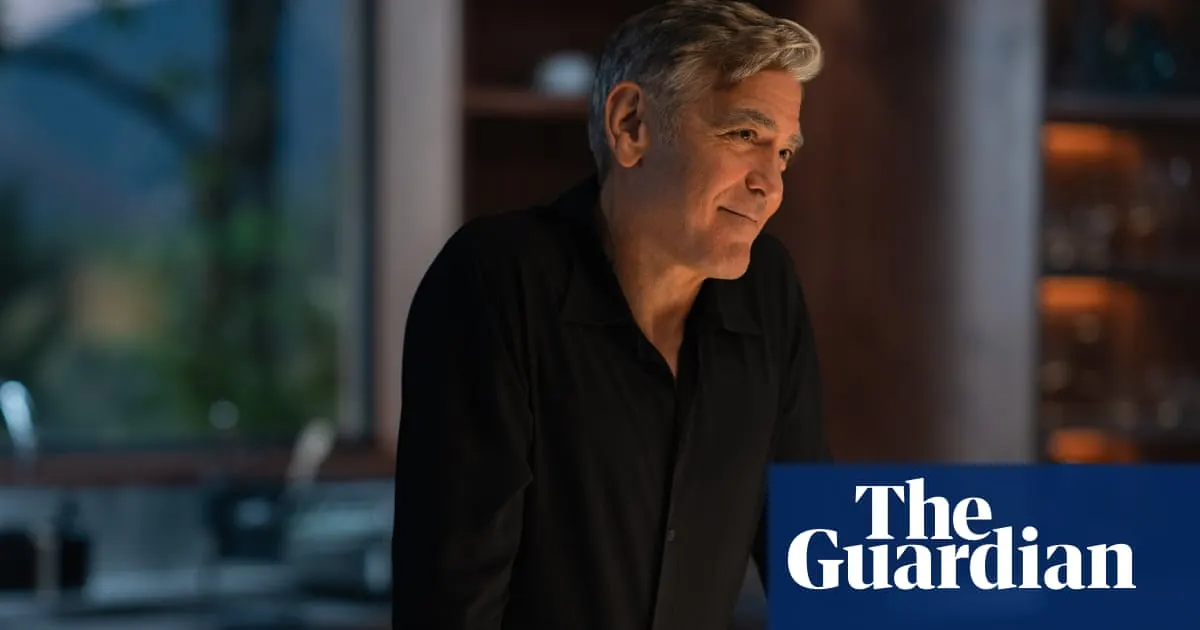
George Clooney is planning to open an Italian restaurant in the Provençal village of Cotignac in partnership with a Canadian hotel owner, with an elegant dining room and outdoor terrace expected to launch in 2027. The venture represents a significant investment in his adopted French community, where he became a citizen in December. However, the decision to open an Italian restaurant in one of the world's major food capitals has raised eyebrows about whether Clooney is making a culturally astute choice or committing what some might view as a misstep.
The article examines this move against the broader track record of celebrity restaurant ventures, which have historically been mixed at best. Whilst Clooney's massive success with his tequila brand, which he sold for $1 billion, demonstrates his ability to create profitable hospitality ventures, the restaurant industry has proven far less forgiving to celebrity investors. Notable failures include Hulk Hogan's Pastamania in the mid-1990s, Jennifer Lopez's restaurant in Pasadena that collapsed amid personal drama in 2002, and Eva Longoria's steakhouse SHe, which closed after only two years. Successful celebrity restaurants like Robert De Niro's Nobu remain rare exceptions, suggesting Clooney's financial resources and approach will be crucial to the venture's survival.
- George Clooney plans Italian restaurant in Provence next year.
- Recently became French citizen, investing deeper in his adopted home.
- Clooney's tequila sold for $1bn, but celebrity restaurants have failed before.
New here? Start with this
George Clooney, the Hollywood actor and businessman, is planning to open an Italian restaurant in the French village of Cotignac in Provence. The establishment will feature fine dining with an elegant dining room and outdoor terrace, opening in 2027.
Clooney recently became a French citizen and has made a significant investment in the Provençal community where he now resides. He is partnering with a Canadian hotel owner on the venture, representing a substantial financial commitment to his adopted home.
The decision to open an Italian restaurant in Provence, historically recognised as one of the world's great culinary centres, has prompted questions about the venture's cultural merit. Celebrity-owned restaurants have a mixed track record, with numerous failures suggesting the industry remains challenging even for well-resourced celebrity investors.
Both sides, in good faith
The strongest fair case each way — we don't pick a winner.
The case for
Clooney's track record with his tequila brand, which sold for $1 billion, demonstrates serious business discipline and the ability to build successful hospitality ventures. His status as a new French citizen and substantial community investment suggest genuine commitment rather than a fleeting vanity project. The partnership with an experienced Canadian hotel owner indicates professional oversight, and Italian cuisine's global popularity means it can thrive in any location with proper execution and sufficient capital to weather initial challenges.
The case against
Celebrity restaurants have a documented track record of failure, from Jennifer Lopez's Pasadena venture to Eva Longoria's steakhouse, demonstrating that fame and finances alone cannot overcome the restaurant industry's notoriously thin margins and operational demands. Opening Italian cuisine in Provence—one of the world's greatest food capitals with established culinary traditions—lacks obvious business rationale. Without hands-on daily involvement and genuine gastronomic expertise, even well-resourced celebrity ventures typically struggle in an industry that punishes inexperience and absentee ownership.
Read the full article at the source →
Originally published by The Guardian as “Good night, and good lick: what can we expect from George Clooney’s restaurant?”.