Villagers plunged into near ‘constant darkness’ after trees planted by primary school children grow more than 60ft
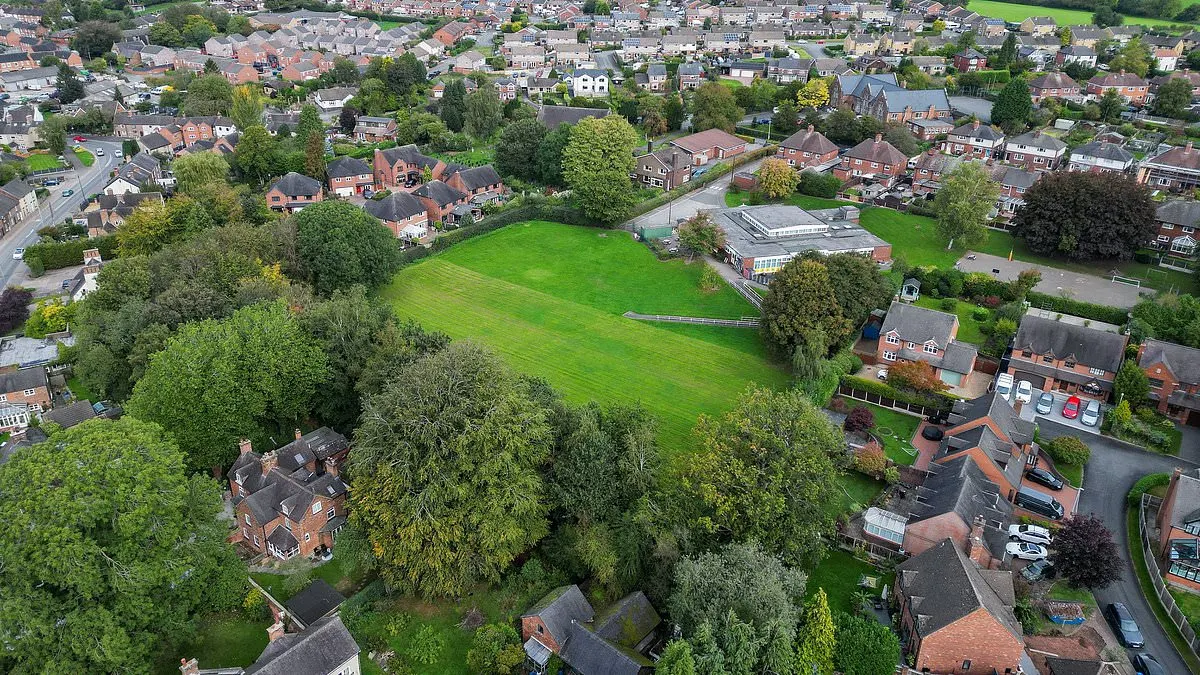
Residents of Tean, Staffordshire, say dozens of trees planted by primary school pupils have grown so large that they leave nearby homes and gardens in near-constant shade. They are also concerned that the trees’ condition and closeness to properties could pose a risk in severe weather.
The Norway maples, sycamores and silver birches were planted around Great Wood Primary School in 1988 and now stand more than 60 feet tall. Residents describe using lights in rooms during the day and avoiding shaded gardens; one says a tree is about five metres from her home. The school says it commissions regular safety inspections and is willing to meet neighbours, while councils say the trees are not protected and they have no statutory role.
- Residents say school trees over 60 feet tall block sunlight.
- Neighbours worry about tree condition and storm damage.
- The school says it carries out regular safety inspections.
New here? Start with this
In 1988, pupils at Great Wood Primary School in Tean, Staffordshire planted dozens of trees, including Norway maples, sycamores and silver birches, as part of an environmental project. Nearly four decades on, these trees have grown to over 60 feet tall and now pose an unexpected challenge for residents living nearby.
Residents describe using electric lights indoors during the day and avoiding their gardens because of the shade cast by the mature trees. Beyond the lack of light, neighbours are concerned that the size of the trees and their proximity to homes—some just five metres away—poses a potential safety risk if large branches fail during storms.
The question of who should take responsibility remains unresolved. The school says it regularly inspects the trees for safety and is willing to meet with neighbours to discuss concerns, but the local councils have stated that the trees are not legally protected and they have no statutory duty to intervene.
Both sides, in good faith
The strongest fair case each way — we don't pick a winner.
The case for
Residents face substantial quality-of-life impacts: inability to use gardens, needing artificial light during the day, and genuine safety concerns about towering trees near homes in severe weather. These practical effects on property enjoyment and wellbeing deserve serious weight. The environmental benefits of trees must be balanced against real human costs, and those living in constant shadow have reasonable grounds to seek meaningful management or reduction of these trees.
The case against
These are irreplaceable mature trees providing genuine environmental value—improved air quality, wildlife habitat, natural flood management—that cannot be quickly replicated. Their ecological and community benefits extend beyond any individual property's convenience. Removing them would set a troubling precedent, and selective pruning or thinning offers compromise solutions addressing specific concerns without destroying 35+ years of established growth that serves the broader good.