Zambia signs five-year US health funding deal after data dispute
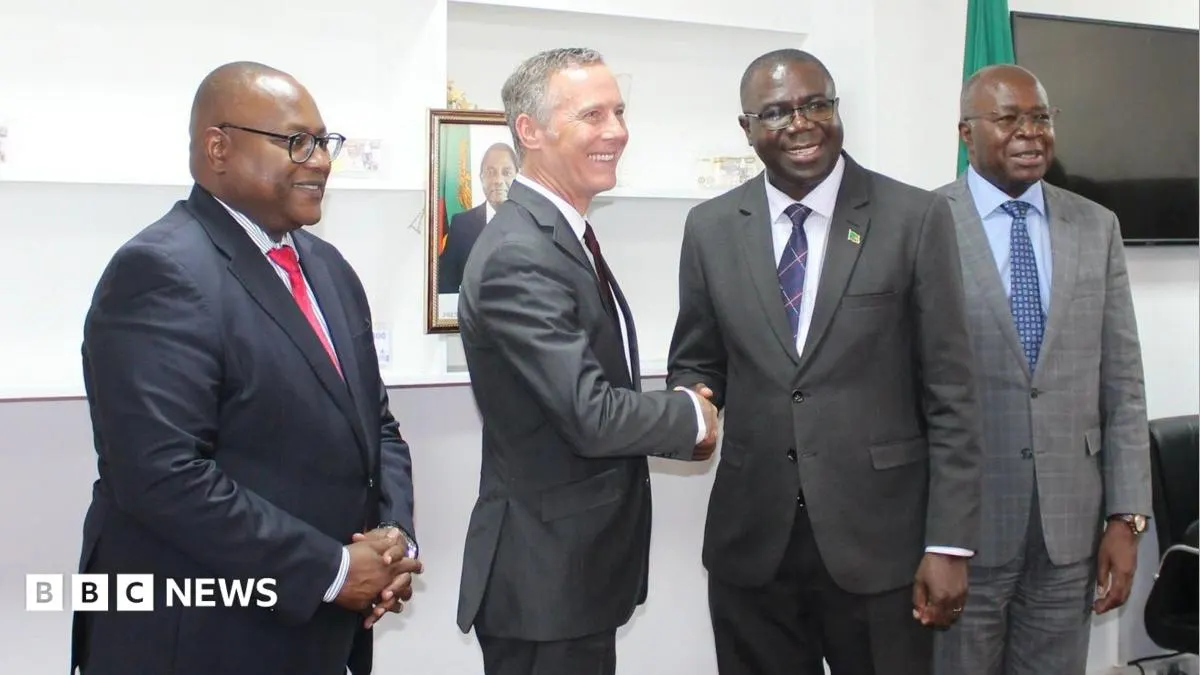
Zambia has signed a five-year health financing agreement with the US after months of dispute over whether aid conditions would expose citizens’ medical data or give US companies preferential access to minerals. The revised agreement is intended to address concerns about privacy and benefit-sharing, while replacing support previously channelled largely through US programmes.
The US will provide about $1.5bn, with Zambia also contributing to a package officials estimate at roughly $3.6bn for 2026 to 2030. Health Minister Roma Chilengi said individual patient records and biological specimens would not be shared; data exchange would be limited to monitoring programmes funded by the deal. The funding is set to support HIV/Aids, tuberculosis, malaria, maternal and child health, disease surveillance and community health workers, with US contributions expected to decline as Zambia increases domestic spending.
- Zambia signed a five-year health deal with the US after data-sharing disputes.
- The US will provide about $1.5bn, with Zambia also contributing.
- Officials say patient records and biological specimens will not be shared.
New here? Start with this
The United States is one of the world's largest providers of health aid, channelling billions to developing countries to support disease prevention and treatment. For countries like Zambia, such funding is crucial for addressing major public health challenges including HIV/Aids, tuberculosis and malaria.
Aid agreements between donors and recipient countries typically involve conditions about how the money is spent and how outcomes are monitored. Developing countries can sometimes have concerns about what these conditions mean for their sovereignty, the protection of sensitive information, or the terms under which foreign companies might benefit.
When negotiating large aid deals, governments must weigh the urgent need for healthcare resources against questions about protecting their citizens' interests and maintaining control over domestic priorities. Such negotiations can become focal points of broader debates about fairness and equity in international health partnerships.
Both sides, in good faith
The strongest fair case each way — we don't pick a winner.
The case for
Zambia faces acute health crises demanding resources beyond current domestic capacity, and the agreement provides $1.5bn whilst incorporating explicit safeguards against patient data sharing and addressing concerns about preferential corporate access. The funding targets diseases of genuine public health importance and is structured to encourage Zambia's own health investment, progressively reducing dependence on external financing.
The case against
Initial privacy and sovereignty concerns, though nominally addressed, may mask deeper questions about whether conditional aid genuinely serves Zambian interests or primarily benefits the donor through indirect mechanisms; the revised agreement may resolve obvious objections whilst preserving underlying donor influence. Prioritising independent health system development rather than accepting external conditions—however well-intentioned—would better protect Zambia's autonomy and reflect funds spent on domestic capacity-building rather than donor-directed programmes.
Read the full article at the source →
Originally published by BBC World as “Zambia signs US health deal after disputes over data-sharing”.