Goldman’s top 20 bankers set to share bonuses of up to $500m
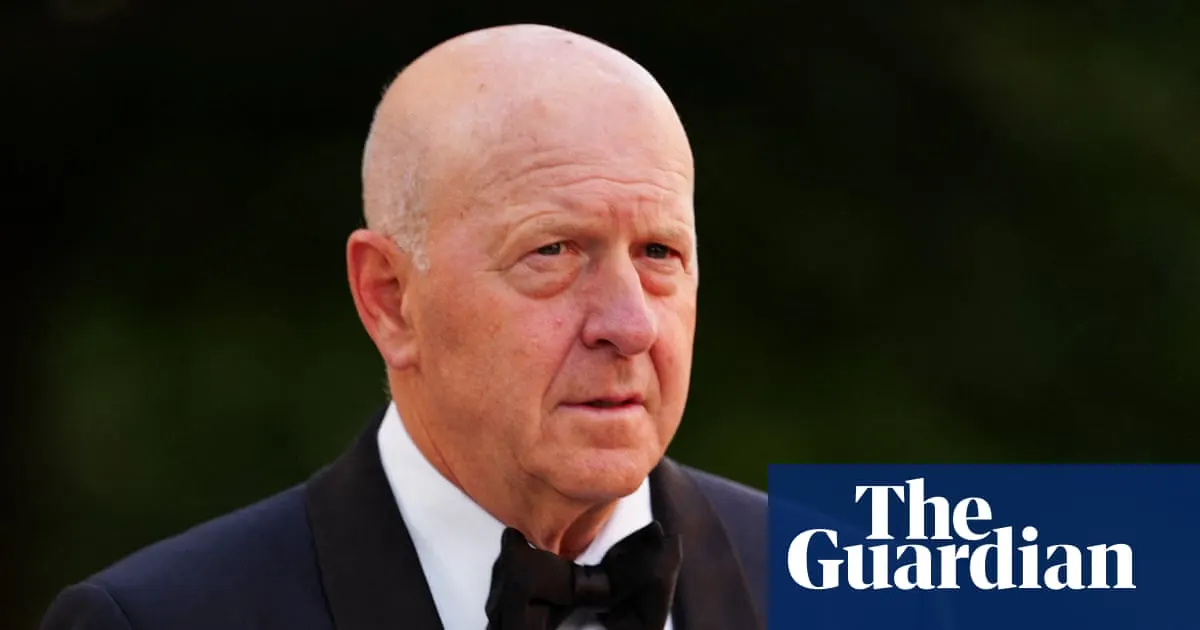
Goldman Sachs’ top 20 bankers are set to share a bonus pot worth up to $500m, one of the largest payouts in the bank’s history. Chief executive David Solomon is expected to receive about $100m in stock, more than twice the value of his record $47m pay package last year.
The award stems from a long-term plan created in 2021, with the final amount due to be confirmed later this month. It depends on Goldman’s share-price growth and performance against rivals over five years; its stock has risen about 146% in that period. The bank says the awards are designed to reward performance and retain senior leaders, including president John Waldron, as US banks continue to make large executive payouts.
- Goldman’s senior bankers could share up to $500m.
- David Solomon is expected to receive about $100m in stock.
- The award is tied to five-year share performance.
New here? Start with this
Goldman Sachs is one of the world's largest investment banks, providing financial and advisory services to corporations and wealthy individuals. The bank's top 20 executives are set to share a bonus package worth up to $500 million from a long-term incentive scheme created in 2021 and measured over five years. This represents one of the largest payouts in the bank's history.
The bonus amount depends on how well the executives have performed, measured by how much Goldman Sachs' share price has grown and how the bank has performed against rivals during the five-year period. Chief executive David Solomon is expected to receive roughly $100 million in stock, along with president John Waldron and other senior leaders. The bank says such large bonuses are designed to reward strong performance and retain executives who might otherwise leave for competitors.
Large executive compensation packages are standard practice at major investment banks, where competition for senior talent is intense and highly skilled professionals can easily move between firms. These substantial payouts reflect both the enormous profits investment banks generate and the difficulty of retaining experienced executives.
Both sides, in good faith
The strongest fair case each way — we don't pick a winner.
The case for
Goldman argues these bonuses are necessary to retain top talent in competitive global finance and are tied to genuine five-year performance metrics, with stock growth of 146% demonstrating shareholder value creation. The long-term vesting structure aligns executive interests with sustainable performance rather than short-term gain extraction, and losing senior leaders to competitors would prove more costly to the bank's overall success.
The case against
Critics contend that such compensation exacerbates economic inequality and reflects insufficient governance constraints on executives determining their own pay, particularly when ordinary employees earn far less despite contributing to the company's success. They question whether compensation at these levels genuinely improves performance or simply reflects concentrated power, and argue that banking's history of crises suggests stronger restraint on executive incentives serves both the industry and public interest.
Read the full article at the source →
Originally published by The Guardian as “Top bosses at Goldman Sachs to share bonus pot worth up to $500m”.