NatureScot urges assessment of goose impacts from Larbert data centre plan
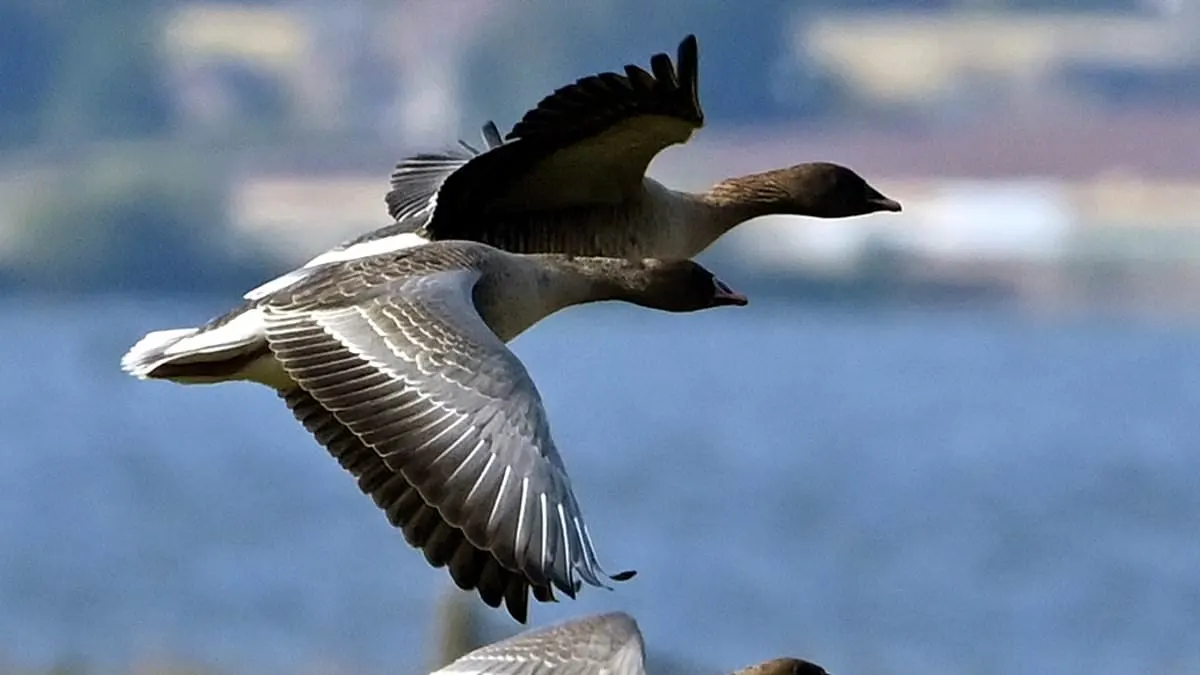
NatureScot has advised Falkirk Council to assess whether a proposed 300MW AI data centre near Larbert could affect protected pink-footed geese. The recommendation adds an environmental assessment requirement to a contentious development, but NatureScot has not formally objected and does not expect harm to nearby natural heritage interests.
The 50-acre facility could use more electricity than 300,000 homes. Geese migrating from Iceland and Greenland may forage at the site: they usually travel up to 6.5 miles from their roosts, and as far as 19 miles when food is scarce. NatureScot considers the enclosed grassland sub-optimal for geese, while developer Apatura says it is working with authorities and environmental agencies.
- NatureScot recommends an assessment of possible effects on geese.
- The proposed data centre would have 300MW capacity.
- The agency has not formally objected to the plans.
New here? Start with this
A major data centre is proposed near Larbert in Falkirk, Scotland. Data centres house computer servers and require vast amounts of electricity; this one would use as much power as 300,000 homes.
Protected pink-footed geese migrate through the area annually, travelling from Iceland and Greenland to find food. These geese forage within a few miles of where they rest, though they can travel much further if food is scarce.
Environmental assessments are typically required for major developments that could affect protected wildlife. As the site is used by these migratory geese, their welfare is part of the planning consideration for this facility.
Both sides, in good faith
The strongest fair case each way — we don't pick a winner.
The case for
Large industrial developments near migratory corridors warrant thorough environmental assessment to understand potential impacts on protected species. Pink-footed geese travelling from Iceland and Greenland depend on their foraging ranges, and even sub-optimal habitat contributes to ecosystem connectivity. Robust assessment aligns with conservation principles and ensures development decisions rest on clear evidence rather than assumption.
The case against
Data centre infrastructure is essential for UK growth and economic competitiveness. The site's grassland is acknowledged as sub-optimal for geese, limiting genuine risk. Assessment can proceed without delaying necessary infrastructure; the developer's engagement with authorities indicates a collaborative approach. Balancing legitimate development needs with environmental stewardship means allowing infrastructure projects to advance where assessments show risks are manageable.
AI Art Culture Technology UK World
Read the full article at the source →
Originally published by Daily Mail as “Goosed? Now visiting birds could thwart plans to build AI data centre”.