Robert Jenrick says ‘millions and millions’ of people in England are not ‘culturally or ethnically’ English as identity row between Reform and Tories escalates
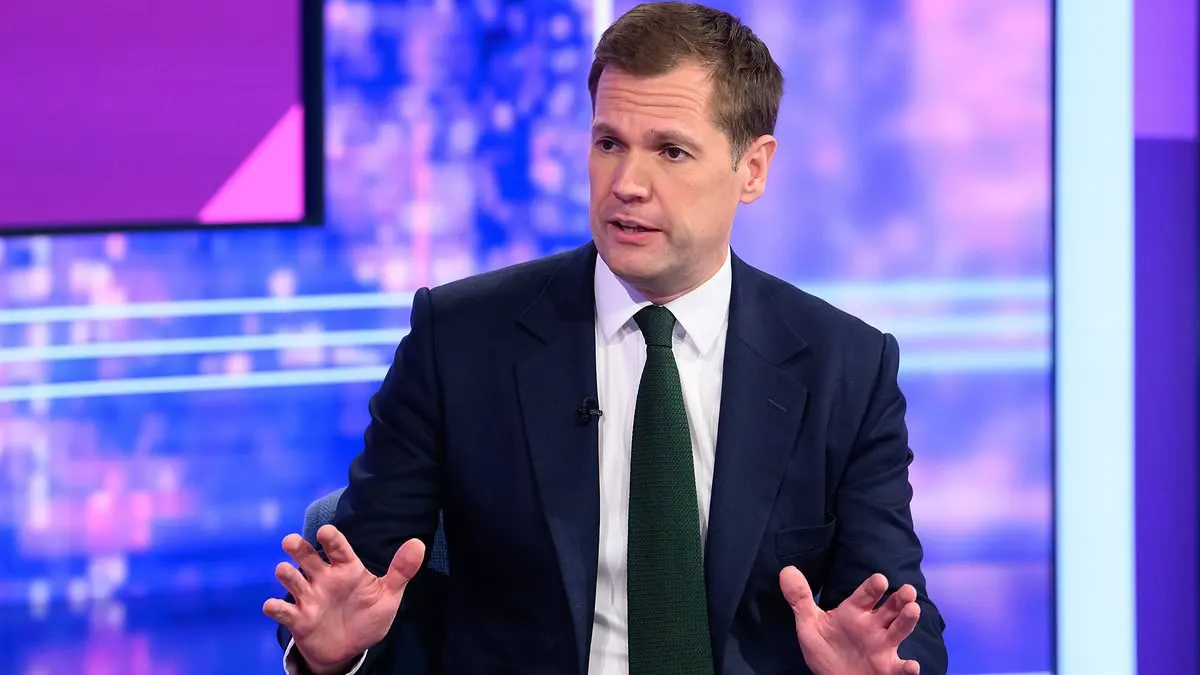
Robert Jenrick has said that millions of people in England are neither culturally nor ethnically English, escalating a dispute over national identity among right-wing politicians. Kemi Badenoch condemned what she described as Reform’s outdated views on race, saying her mixed-race children and black England footballers should not have their Englishness questioned.
Jenrick argued that Englishness involves ethnicity, cultural identity and holding a British passport, while stressing that a passport alone does not make someone culturally or ethnically English. His comments followed Suella Braverman saying she was British of Asian origin, not English, despite being born in London; Labour’s Wes Streeting backed Badenoch’s remarks about shared national values.
- Jenrick says millions in England are not culturally or ethnically English.
- Badenoch criticises Reform over its views on race and belonging.
- Streeting backs her call for unity around shared values.
New here? Start with this
England is part of the United Kingdom, and people may describe their identity in different ways, including as English, British, or both. These terms can refer to nationality, family background, culture or personal belonging.
Robert Jenrick and Kemi Badenoch are Conservative politicians, while Reform UK is a separate right-wing party. Suella Braverman is also a Conservative politician, and Wes Streeting is a Labour politician; their differing comments reflect a wider debate about who is considered English.
The discussion matters because ideas about national identity can affect how people feel included and represented. It also highlights questions about whether Englishness is defined by ancestry, culture, citizenship or a combination of these.
Both sides, in good faith
The strongest fair case each way — we don't pick a winner.
The case for
Jenrick’s distinction can be understood as an argument that national identity has cultural and historical dimensions beyond legal citizenship, and that people should be able to discuss those dimensions openly. Supporters may see this as a way to preserve a sense of shared heritage and to distinguish civic belonging from ethnic or cultural identity, without denying anyone’s legal rights.
The case against
Badenoch’s response reflects the view that Englishness should be inclusive of people who belong to the country through birth, upbringing, citizenship or shared civic life, regardless of ancestry. On this account, treating ethnicity as a test of English identity risks excluding people who are plainly part of England, including mixed-race citizens and England players, and can weaken the shared national belonging that politicians say they value.