How Talking Heads made it big despite themselves, with an ideology that’s undeniably prog
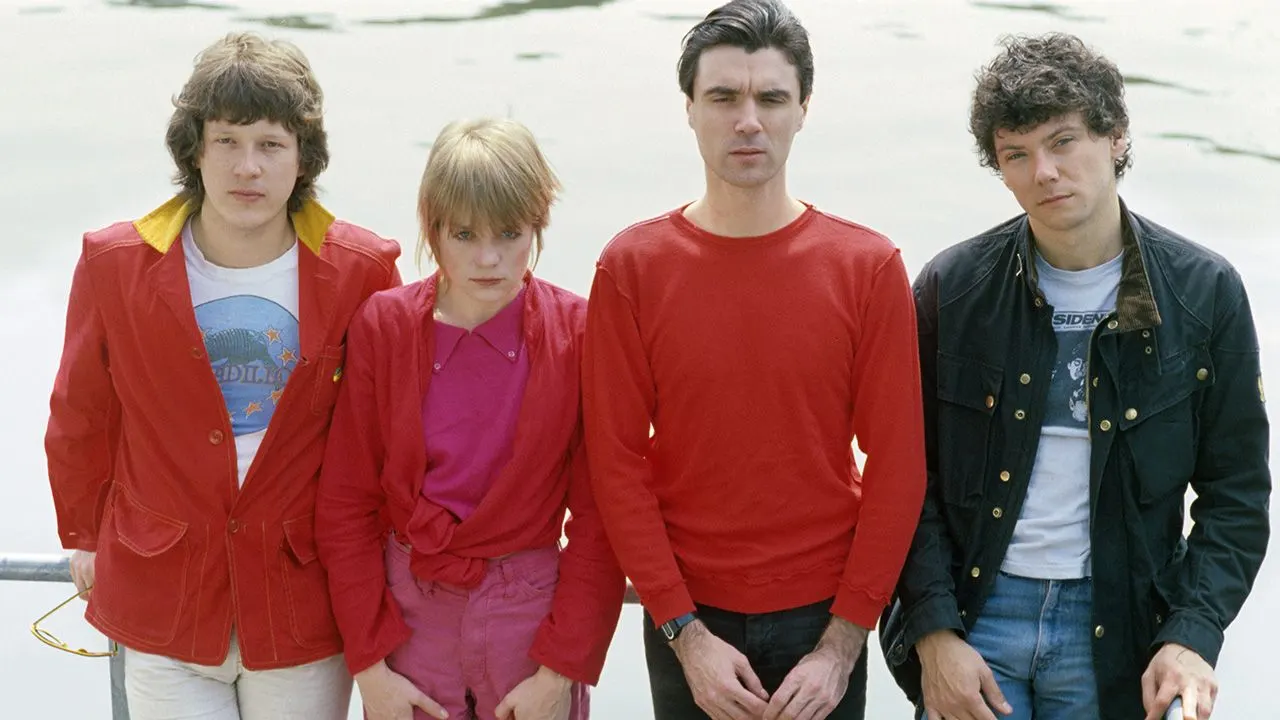
Talking Heads, often classified as post-punk or new wave, can credibly be called progressive rock thanks to their experimental approach and constant creative evolution. Working with producer Brian Eno and musicians like Adrian Belew and Robert Fripp, the band pushed musical boundaries throughout the late 1970s and early 1980s. Their albums demonstrated they were driven more by conceptual and technological innovation than formulaic songwriting.
The band's three collaborations with Eno between 1978 and 1980 – More Songs About Buildings And Food, Fear Of Music, and Remain In Light – showcase this progression most strikingly. Music historian Simon Reynolds compared the evolutionary leap across these albums to The Beatles' journey from Rubber Soul through Revolver to Sgt Pepper's. Although band members debate whether "progressive" fully captures their sound, their work undeniably moved music forward through synthesisers, world music influences and conceptual ambition.
- Talking Heads' three Brian Eno albums showed Beatles-like evolutionary leaps between 1978-1980.
- The band pioneered synthesisers and conceptual approaches to funk and post-punk.
- Whether "progressive" fully applies remains debated among musicians and critics.
New here? Start with this
Talking Heads were an American band that emerged in the late 1970s, initially classified alongside other post-punk and new wave artists of that era. Led by frontman David Byrne, they became popular throughout the late 1970s and early 1980s for their distinctive, experimental sound that was quite different from many of their contemporaries.
The band made their biggest creative strides through collaborations with producer Brian Eno and other musicians including Adrian Belew and Robert Fripp. Between 1978 and 1980, they recorded three albums with Eno – More Songs About Buildings And Food, Fear Of Music, and Remain In Light – which showed remarkable artistic progression as they incorporated new technologies like synthesisers, world music influences, and ambitious conceptual approaches to songwriting.
There remains discussion about how best to categorise Talking Heads. Most people classify them as post-punk or new wave, but some music observers argue their constant innovation and experimental approach make them qualify as progressive rock, a term sometimes applied to bands that push musical conventions.
Both sides, in good faith
The strongest fair case each way — we don't pick a winner.
The case for
Talking Heads embodied progressive rock's core ethos of artistic ambition and musical innovation over commercial formula. Their systematic evolution across albums with Brian Eno—from the spare aesthetic of Fear Of Music to the polyrhythmic complexity of Remain In Light—demonstrates a conceptual progression comparable to classic prog bands. Their incorporation of synthesisers, world music rhythms, and studio experimentation shows they were genuinely pushing the boundaries of what rock music could be, which is what 'progressive' fundamentally means.
The case against
Talking Heads' innovations worked precisely by rejecting the grandiose complexity and virtuosity that defined progressive rock as a genre. Their strength lay in minimalist arrangements, economical songwriting, and dance-oriented grooves—values fundamentally opposed to prog rock's typical aesthetic. Whilst they were undoubtedly innovative and conceptually ambitious, classifying them as progressive rock conflates 'creatively forward-thinking' with the specific generic conventions of prog, which emphasised lengthy instrumental passages, technical display, and conceptual grandeur that the band actively resisted.