Plaque explaining Cecil Rhodes’s link to Kirkby Lonsdale plant goes missing
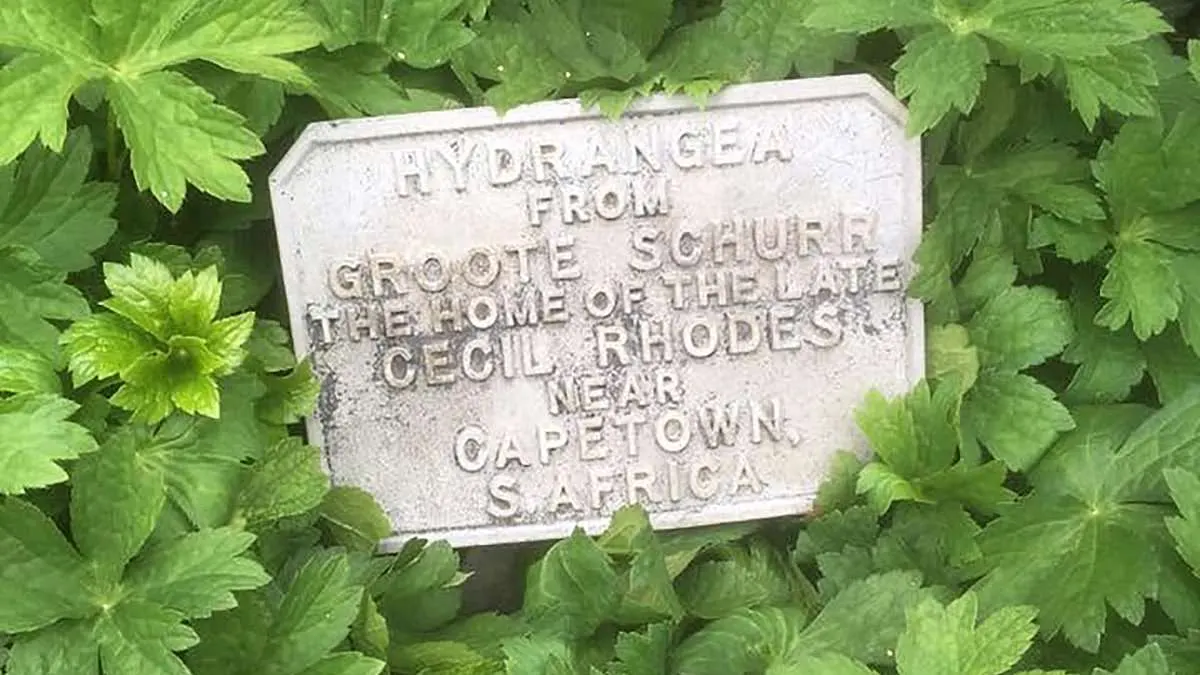
St Mary’s Church in Kirkby Lonsdale has removed a hydrangea associated with Cecil Rhodes, and a plaque explaining its connection has gone missing. The Carlisle Diocese says the plant had weakened and died, and that its removal was not a decision about Rhodes; a local offer to provide a cutting from the original plant has not been taken up.
Architectural historian John Martin Robinson disputes the account, saying the hydrangea was thriving and the plaque is of historic interest at a Grade I-listed church. He has called for the sign to be found, while criticising the church’s maintenance and the diocese’s handling of the site. The article also includes unrelated brief items about Strictly Come Dancing presenter Emma Willis, memoirs by Alice Cooper and Michael Douglas, and broadcaster Brian Hoey’s death.
- A Rhodes-linked hydrangea was removed from a church in Cumbria.
- The plaque explaining its history has disappeared.
- A local historian disputes the diocese’s account.
New here? Start with this
Cecil Rhodes was a British colonialist and businessman whose legacy has become controversial due to his significant role in colonising Southern Africa and his explicitly racist views. In recent years, many UK institutions have been examining and often removing historical connections to Rhodes as part of a broader reassessment of the colonial past.
St Mary's Church in Kirkby Lonsdale possessed a hydrangea with historical ties to Cecil Rhodes, accompanied by a plaque explaining the connection. The Carlisle Diocese, which oversees the church, removed the plant, saying it had weakened and died, but the plaque has since gone missing.
Architectural historian John Martin Robinson has disputed this account, saying the hydrangea was thriving when removed. He has questioned the church's handling of the situation and called for the plaque to be found, citing its historical importance at the Grade I-listed building.
Both sides, in good faith
The strongest fair case each way — we don't pick a winner.
The case for
The church and diocese contend that decisions about plant maintenance at historic buildings must sometimes prioritise practical horticultural and structural concerns. Hydrangeas do weaken and die naturally, and their removal represents routine stewardship rather than a statement about historical figures. They maintain this was a legitimate maintenance decision made independently of any view on Rhodes's legacy, and that responsible custodianship of a Grade I-listed structure sometimes requires removing specimens, regardless of their associations.
The case against
Heritage conservators argue that in a Grade I-listed church, anything with documented historical significance should receive careful stewardship and proper documentation. If the hydrangea was thriving, its removal without securing the plaque's preservation suggests inadequate care for the building's complete historical record. The loss of the explanatory sign is particularly troubling because it removes important contextual information, and in a building of such architectural significance, maintaining comprehensive documentation of such items should be treated as a fundamental conservation responsibility.
Offbeat UK Weird & Viral World
Read the full article at the source →
Originally published by Daily Mail as “RICHARD EDEN: Strange case of a missing memorial to Cecil Rhodes”.