CHRIS PLEASANCE: How Russia’s new jet powered drones are raining down death and destruction on Kyiv
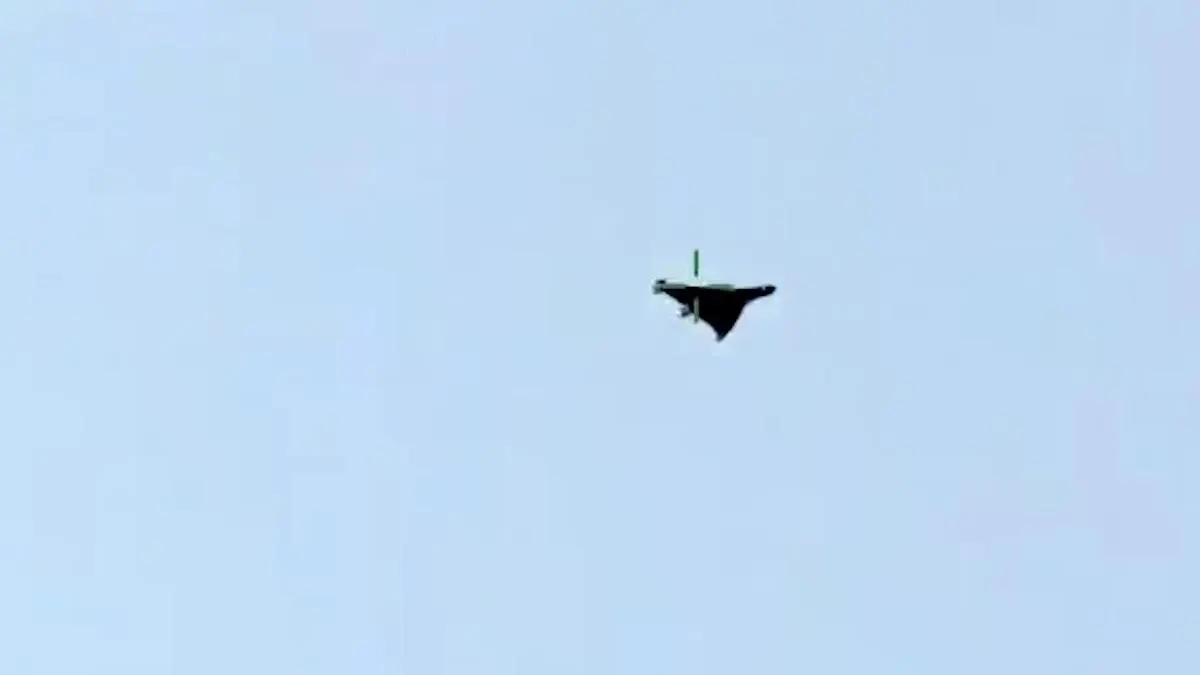
Russia is using faster jet-powered drones in attacks on Kyiv, increasing the challenge for Ukrainian air defences and putting more pressure on residents. The article describes damage and casualties from recent strikes, and argues that the drones’ speed makes them harder to intercept.
The drones are reported to be modified versions of the Shahed design, powered by small jet engines rather than propellers. They can travel at several hundred kilometres per hour, compared with roughly 185 kilometres per hour for earlier propeller-driven models, leaving defenders less time to respond.
- Russia is deploying faster jet-powered drones against Kyiv.
- Their speed makes interception more difficult.
- The attacks are causing damage and casualties.
New here? Start with this
Russia has been conducting drone attacks on Ukraine's capital, Kyiv, as part of its military campaign. These strikes have damaged civilian areas and infrastructure in the city.
The drones Russia is using are modifications of a design called the Shahed, fitted with small jet engines instead of the propellers used in earlier versions. This gives them much greater speed—several hundred kilometres per hour compared with roughly 185 kilometres per hour for propeller-driven models.
The increased speed makes these weapons harder for Ukrainian air defences to intercept, as defenders have less time to detect and respond before strikes reach their targets. This development creates additional pressure on Ukraine's defensive systems and the civilian population.