Trump rails against Nobel Peace Prize winner, saying his is long overdue: ‘Never heard of the person’
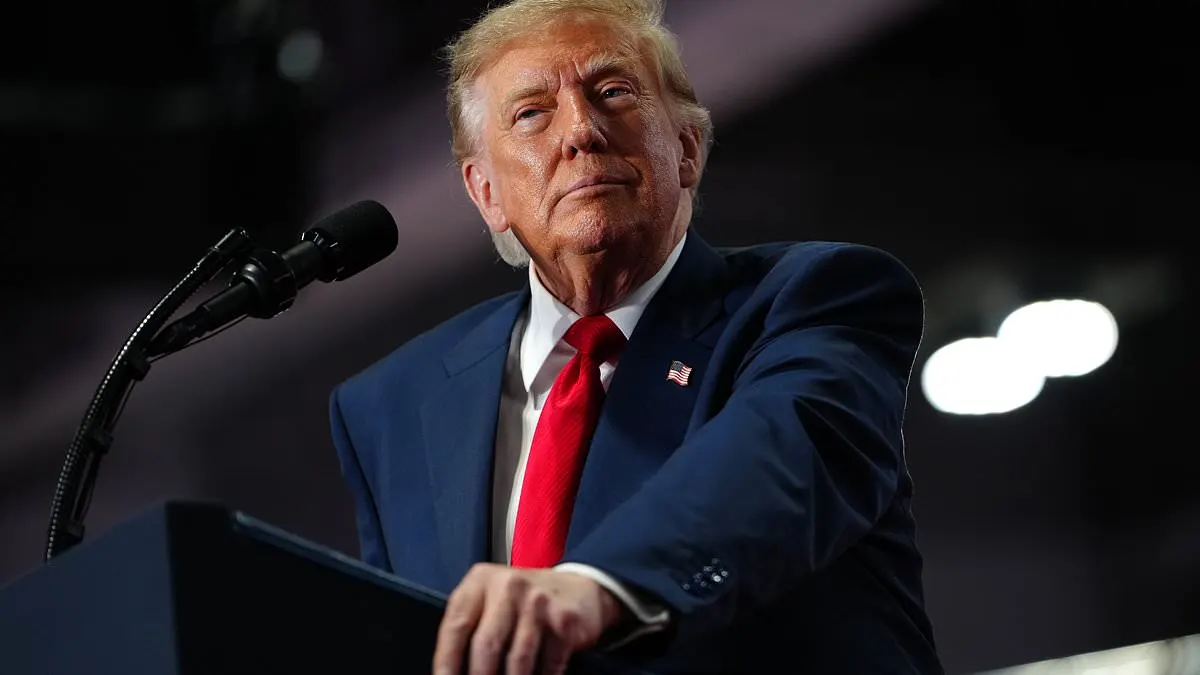
Donald Trump criticised Nobel Peace Prize winner Navi Pillay at a rally in Syracuse and in a lengthy Truth Social post, saying he had never heard of her and that the award was a “disgraceful and embarrassing decision”. He argued that the United States, represented by him, deserved the prize, renewing his claims that he had ended eight wars and should have received an award for each.
Pillay, a South African jurist and former UN high commissioner for human rights, was recognised for work promoting peace and international law. She joked that she might share the prize with Trump if the audience applauded more. Her win has drawn attention amid Trump and Israeli Prime Minister Benjamin Netanyahu’s criticism of a UN commission she led, which found that Israel committed genocide in Gaza; Israel’s foreign ministry condemned the award.
- Trump attacked Pillay’s Nobel win and said he had never heard of her.
- He claimed he and the US deserved as many as eight peace prizes.
- Pillay’s award drew criticism from Israel amid disputes over her UN work.
New here? Start with this
The Nobel Peace Prize is one of the world's most prestigious annual awards, given for exceptional work advancing peace and human rights. Navi Pillay, a South African lawyer, won this year's award. She previously served as the United Nations' high commissioner for human rights, a senior role overseeing global human rights investigations and advocacy.
Pillay was recognised for her work promoting peace through international law and human rights frameworks. She led a UN commission investigating military conduct in Gaza that concluded Israel committed genocide. Israel's government and its supporters have rejected this finding and criticised the award to Pillay.
The controversy reflects deeper international disputes about how conflicts are assessed, whose efforts deserve recognition for peacemaking, and whether international bodies have credibility in making such judgements. Different nations and leaders disagree not just on who should have won the prize but on the legitimacy of the investigations underlying Pillay's recognition. These tensions reveal ongoing divisions over the role of global institutions in evaluating state conduct.
Both sides, in good faith
The strongest fair case each way — we don't pick a winner.
The case for
Trump's supporters argue that his administration achieved demonstrable progress toward peace—the Abraham Accords brought normalisation between Israel and Arab states, whilst diplomatic engagement with North Korea reduced military tensions, and reducing American military commitments abroad represented tangible progress. They contend the Nobel committee has become politicised, awarding Pillay despite her association with UN investigations critical of Israel, reflecting anti-American bias. From their perspective, recognising Trump's foreign policy achievements would demonstrate the prize reflects genuine peace-building rather than serving particular geopolitical interests opposed to American allies.
The case against
Pillay's supporters emphasise her three-decade record establishing human rights law, accountability mechanisms, and international protections against conflict—work addressing underlying causes rather than temporary diplomatic arrangements. They argue Trump's foreign policy record is decidedly mixed: Afghanistan's withdrawal was chaotic, military spending increased, and his transactional deals lack institutional durability or clear peace outcomes. Trump's dismissal of an accomplished international jurist—claiming ignorance of her work—reflects his pattern of delegitimising critics rather than substantive engagement. The Nobel committee recognised Pillay's contribution to international law and human rights as foundational to lasting peace.