The 1986 song Rick Rubin forced into existence: “We will never do this”
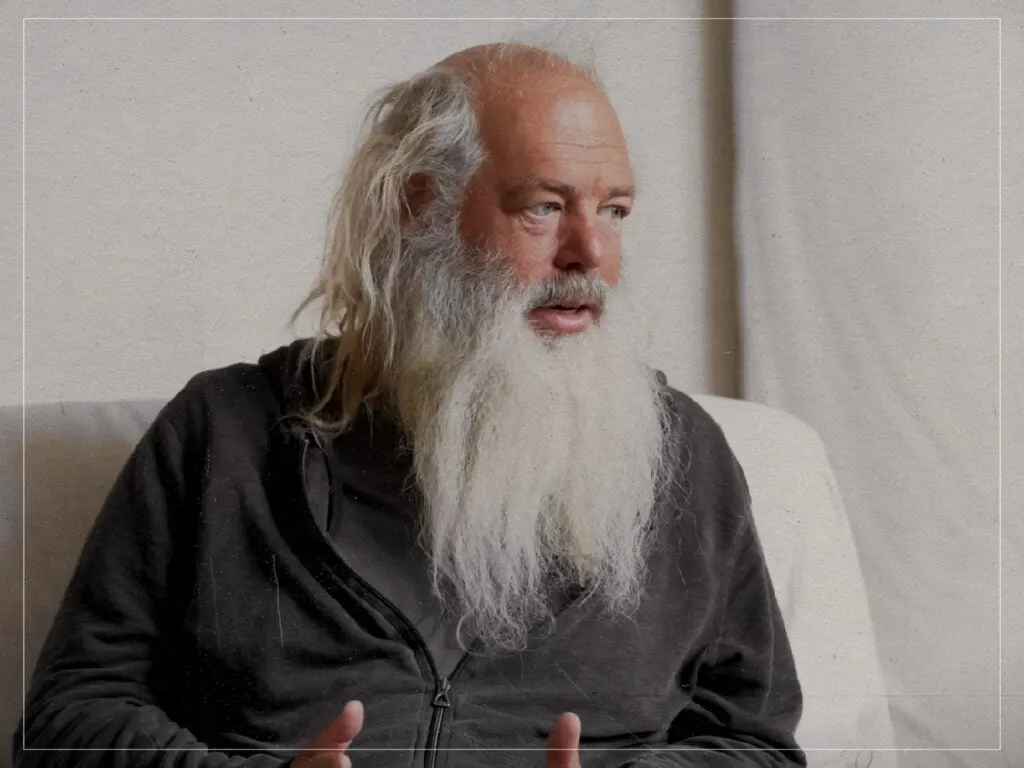
Run-DMC's 1986 collaboration with Aerosmith on 'Walk This Way' stands as a pivotal moment when hip-hop broke into mainstream culture, but the group initially refused to sing the song's original lyrics. Producer Rick Rubin convinced them to reconsider, resulting in a crossover hit that introduced millions of suburban listeners to rap and helped establish hip-hop as a dominant musical force.
When Run-DMC first heard Steven Tyler's original verses, DMC dismissed them as "hillbilly gibberish," telling Rubin, "We will never do this!" The group had been content with their own freestyled verses, but Rubin's persuasion led them to use Tyler's lyrics instead. The resulting collaboration became the track that opened hip-hop to new audiences and proved essential to the group's breakthrough success on the album Raising Hell.
- Run-DMC initially refused to record 'Walk This Way' with Aerosmith's original lyrics in 1986.
- Producer Rick Rubin convinced them to use the verses despite their reservations about the song.
- The collaboration became a landmark crossover hit that introduced hip-hop to mainstream suburban audiences.
New here? Start with this
"Walk This Way" was a 1986 collaboration between the hip-hop group Run-DMC and rock band Aerosmith, featuring Aerosmith's Steven Tyler. The song became a pivotal moment when hip-hop first broke into mainstream music culture, introducing millions to rap and establishing the genre as a powerful commercial force.
Run-DMC initially refused to use Tyler's original lyrics, with member DMC calling them unsuitable. Producer Rick Rubin persuaded them to reconsider, and the decision to use Tyler's verses instead of their own freestyled alternatives proved crucial to the song's breakthrough success.
The track appeared on Run-DMC's album Raising Hell and demonstrated that hip-hop could reach audiences beyond its existing fanbase. The collaboration helped reshape the music industry's attitude toward hip-hop and opened doors for future crossover projects.
Both sides, in good faith
The strongest fair case each way — we don't pick a winner.
The case for
Rubin's persuasion proved justified both artistically and culturally. The collaboration successfully fused hard rock and hip-hop into something neither could achieve alone, introducing millions to the genre and helping establish hip-hop as a culturally dominant force. Run-DMC's career flourished through the partnership, demonstrating that commercial success and artistic integrity were not mutually exclusive but rather enhanced one another.
The case against
Run-DMC's initial refusal reflected legitimate concerns about artistic autonomy and cultural authenticity that deserved greater respect. They had prepared their own creative work and explicitly dismissed the alternative based on genuine artistic judgment, and being persuaded to abandon this vision—however well-intentioned—set a troubling precedent for artists from emerging genres. That the collaboration ultimately succeeded commercially does not justify overriding an artist's clear creative instincts and prepared alternatives.