39 Years Later, HBO Max’s Legendary War Movie Is Still One of the Best Ever Made
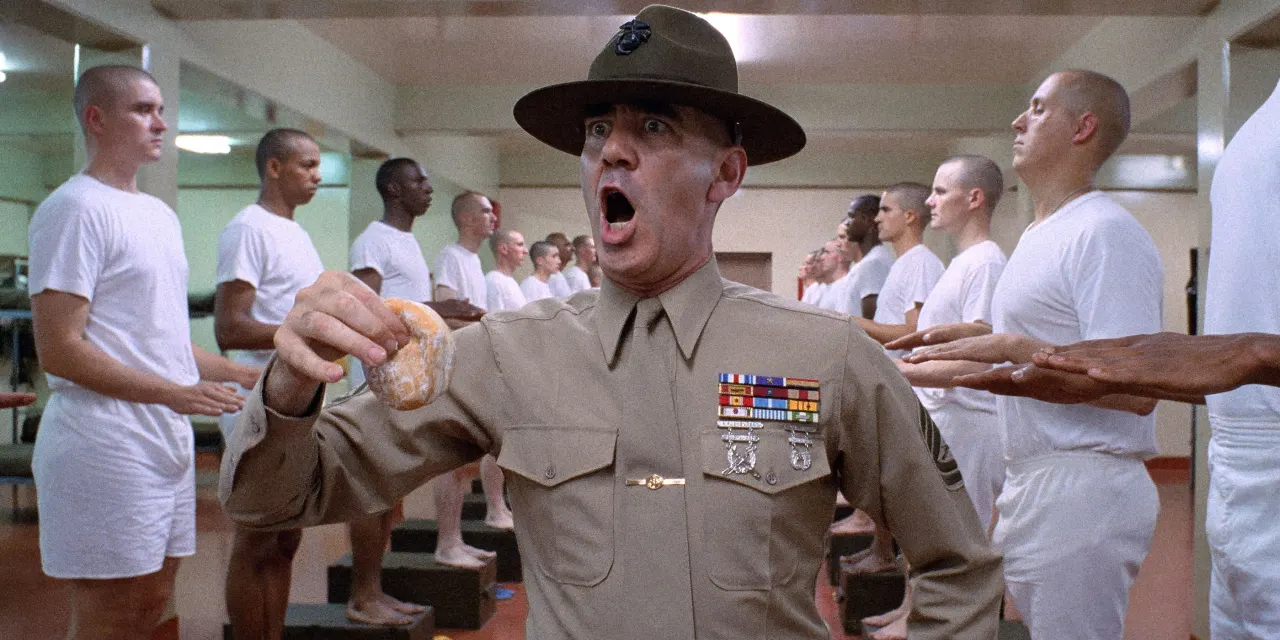
Stanley Kubrick's Full Metal Jacket, released in 1987, remains a masterpiece of war cinema now available on HBO Max. The film examines the Vietnam War's devastating toll on soldiers through two distinct settings: brutal Marine Corps training on Parris Island and the chaos of combat during the 1968 Tet Offensive. Through the eyes of protagonist Joker, Kubrick presents a scathing critique of war's futility and the military system's dehumanising approach to preparing soldiers, using darkly comic elements to underscore the absurdity of conflict and the moral corruption it breeds.
Vincent D'Onofrio's transformative performance as Private Leonard Lawrence, nicknamed "Gomer Pyle," became career-defining when he gained 70 pounds for the role, showcasing Kubrick's commentary on military systems that break rather than prepare soldiers. His portrayal features the director's signature "Kubrick Stare" – an unsettling glare that became iconic in cinema. The film employs dark humour throughout, with nihilistic jokes highlighting the meaninglessness of war, all underpinned by Kubrick's cynical worldview that presents war as a cruel joke. Full Metal Jacket was among the director's final works before his death in 1999.
- Full Metal Jacket (1987) is now on HBO Max, remaining a war cinema masterpiece
- Vincent D'Onofrio gained 70 pounds for a career-defining role as Private Pyle
- Kubrick uses dark humour and cynicism to expose the absurdity of military systems
New here? Start with this
Full Metal Jacket is a 1987 film directed by Stanley Kubrick that examines the Vietnam War's impact on soldiers. The film unfolds in two contrasting settings: the brutal Marine Corps training programme on Parris Island and the chaos of combat during the 1968 Tet Offensive, a major turning point in the war.
The film follows a soldier named Joker as he moves through both environments, showing how military training shapes soldiers and prepares them—or fails to prepare them—for combat. Kubrick uses dark humour throughout to highlight what he saw as the absurdity of the military system and the fundamental futility of war.
The film is notable for a distinctive performance by actor Vincent D'Onofrio as Private Leonard Lawrence, and became recognised for its unflinching critique of military institutions and their approach to soldiers. It has remained influential in how cinema depicts war and the psychological impact of combat.
Both sides, in good faith
The strongest fair case each way — we don't pick a winner.
The case for
Full Metal Jacket remains a masterpiece because Kubrick's uncompromising artistic vision cuts to essential truths about war's dehumanising effects and the military system's capacity to break rather than prepare soldiers. The film's juxtaposition of brutal training with combat chaos, D'Onofrio's transformative performance, and darkly comic elements work together to convey the moral corruption and absurdity of conflict in ways that remain artistically powerful and culturally vital. Its reputation as a great work reflects genuine artistic achievement and the lasting relevance of its unflinching critique.
The case against
Whilst Kubrick's craftsmanship is undeniable, Full Metal Jacket's singular focus on meaninglessness and dehumanisation may limit rather than expand understanding of war and military service. The film excels at depicting the brutalising aspects of training and combat, but by focusing exclusively on corruption and absurdity, it necessarily omits the complex motivations soldiers possess—the camaraderie, sense of purpose, or genuine commitment that many experience. A work truly deserving masterpiece status might grapple with such complexities rather than dismissing them, and the film's reputation may exceed the actual breadth of its artistic vision.