The director who tricked “shithead” Chevy Chase out of starring in a 1970s comedy classic
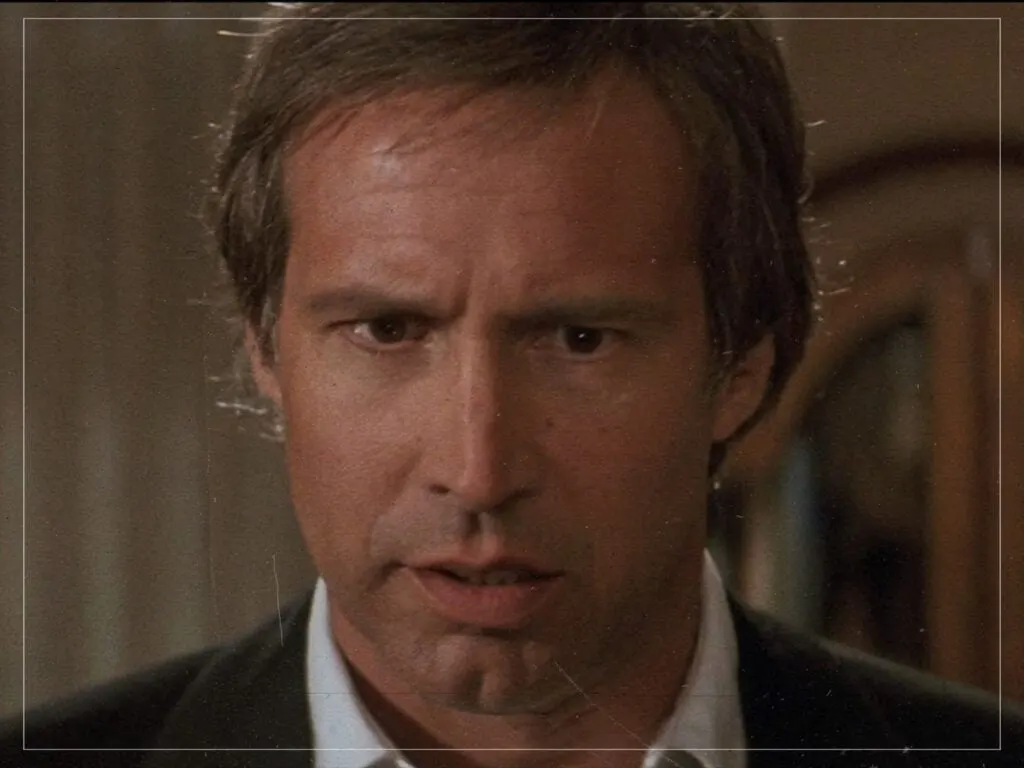
John Landis used reverse psychology to steer Chevy Chase away from starring in Animal House, the 1978 comedy he was directing. Landis wanted to avoid working with Chase, whom the article describes as difficult, and persuaded him that Foul Play offered the stronger leading role.
Chase chose Foul Play, a comedic thriller, while Animal House went on to become a hit and gain lasting cultural influence. It received seven Golden Globe nominations, including one for Chase as Best Actor in a Musical or Comedy, despite his not appearing in the film. Landis and Chase later worked together on Spies Like Us and Three Amigos.
- Landis talked Chase into choosing Foul Play over Animal House.
- Animal House became a hit without Chase.
- Landis and Chase later worked together on two films.
New here? Start with this
"Animal House" was a 1978 comedy film that became one of the most culturally influential and critically acclaimed films of its era. Directed by John Landis, it centred on university campus life and received seven Golden Globe nominations.
Chevy Chase was offered the lead role but declined it to star in "Foul Play", a comedic thriller released around the same period. Whilst "Foul Play" was commercially successful, "Animal House" achieved far greater cultural impact and has remained influential in comedy cinema for decades.
The casting decision has historical significance because "Animal House" went on to become so culturally important. It shaped generations of comedy filmmaking and popular culture, making it noteworthy that the actor originally offered the lead role chose a different project instead.
Both sides, in good faith
The strongest fair case each way — we don't pick a winner.
The case for
A director bears ultimate responsibility for the creative vision and success of a film. Landis identified that Chase would not be right for Animal House and needed to redirect him; this was a pragmatic and ultimately beneficial decision that harmed no one. The deception was minor and indirect, Chase got a leading role he wanted in Foul Play, and the result was one of cinema's most celebrated comedies. Landis's judgment proved sound, and both parties' careers flourished.
The case against
Deliberately deceiving someone to manipulate their professional choices is dishonest and disrespectful, regardless of the eventual outcome. Chase deserved transparent communication about Landis's concerns rather than psychological manipulation. Professional ethics require honesty and respect for colleagues' autonomy in decision-making, and Landis violated that by tricking him into a particular career path for Landis's own benefit.