Avatar: Seven Havens’s Biggest Plot Twist May Be Hiding in Plain Sight
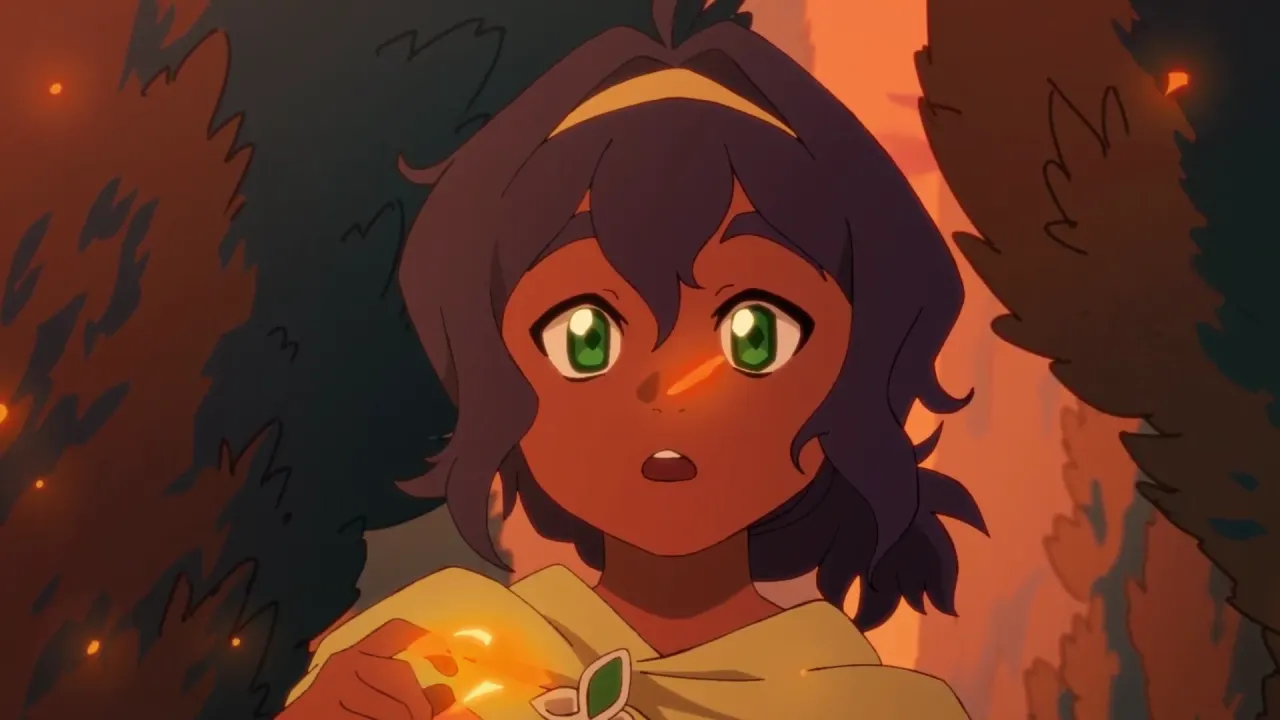
The premiere of *Avatar: Seven Havens* hints that the catastrophe blamed on Avatar Korra may be tied to an imbalance in the spirit world. The article argues that the series’ imagery and plot details point towards the seven chakras, suggesting the new Avatars may need to restore balance across the world.
Ellora’s founding festival features rainbow colours associated with the chakras, while its red, rocky landscape and the season finale title, “The Root Chakra”, evoke the first chakra, linked to survival and fear. The season is called “Book 1: Survival”; Ellora faces dwindling numbers of benders, who are conscripted to defend it. The article suggests each Haven may represent a chakra, though the cause of the cataclysm remains uncertain; it may involve a later attempt to exploit spirit energy, given Korra left the spirit portals open.
- The premiere hints that the seven chakras may shape the series’ mystery.
- Ellora’s dwindling bender numbers suggest a growing imbalance.
- The cause of the cataclysm remains unclear.
New here? Start with this
Avatar: Seven Havens is a new television series in the Avatar franchise, about a world where certain people can control the elements. The series is set after a catastrophic disaster, which has been blamed on Avatar Korra, the protagonist from the previous series in the franchise.
Korra had opened gateways between the physical world and a supernatural spirit realm, and the catastrophe was attributed to this action. The new series, however, suggests that an imbalance within the spirit realm itself may be the true cause, implying the problem is deeper and more complex than Korra's decision alone.
Analysts have noted the show employs symbolism based on the concept of chakras—seven interrelated points representing different aspects of balance and existence. The visual design and plot details appear to connect the story's seven main locations with these chakras, suggesting the narrative may follow a journey to restore equilibrium across different levels of reality.
Both sides, in good faith
The strongest fair case each way — we don't pick a winner.
The case for
The Avatar series has consistently built plot and character development around Eastern philosophical concepts, most notably the chakra system in Aang's journey. The accumulation of symbolic choices—the rainbow chakra festival imagery, the Root Chakra episode title, and the survival theme linked to bender conscription and extinction—suggests deliberate thematic construction rather than coincidence. Given this franchise's proven track record of embedding spiritual philosophy into its core narratives, interpreting these elements as foreshadowing a chakra-centred plot appears well-founded.
The case against
First seasons of shows often emphasise immediate survival threats and worldbuilding without presaging the complete narrative arc. The visual and thematic details present in Ellora's situation—resource scarcity, military conscription, threats to bender society—can satisfyingly explain the symbolic language without requiring a deeper chakra-based framework. The actual cause of the catastrophe may diverge from symbolic analysis; concrete factors like the consequences of open spirit portals or geopolitical instability might prove more central to the plot than spiritual rebalancing.